


IMF points to systemic corruption in Lebanon
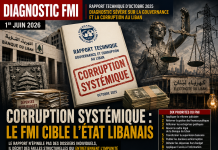
An IMF technical report on Lebanon describes systemic corruption through public finances, justice, the Bank of Lebanon, public procurement, electricity and banking supervision. The document does not cover individual cases, but structural flaws that maintain opacity and impunity. It calls for the implementation of judicial reform, the review of budgetary management, the supervision of public enterprises and the strengthening of the transparency of contracts.

Ferry Jounieh: heading for Cyprus, Syria and Turkey from 9 June
The Jounieh-Larnaca ferry starts on June 9 with three weekly departures, tickets starting at $95 and connections to Syria and Turkey.
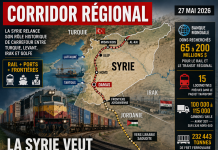
Syria: Rail targets corridor to Gulf
Syria is seeking donations from the World Bank to re-launch its rail and become a corridor between Turkey, Jordan and the Gulf.
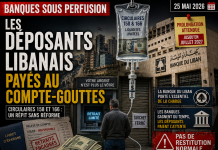
Lebanese depositors trapped by BdL circulars
Lebanese depositors remain dependent on circulars 158 and 166, which maintain withdrawals without ending the banking crisis.
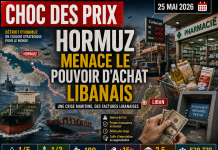
Hormuz weighs on Lebanese prices
The crisis in the Strait of Hormuz exposes the flaws in the Lebanese economy. The country imports fuel, some of its food, medicines and many essential inputs, while its banking system remains paralysed. The increase in freight, insurance and energy can therefore quickly reach households. Bank circulars cushion part of the shock, but also prolong an unresolved crisis.
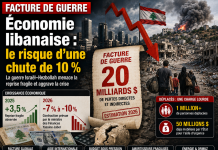
Lebanese economy: risk of 10% fall (Minister of Finance)
The Lebanese economy is facing another major shock. Finance Minister Yassine Jaber estimates that the war could lead to a 7-10% contraction in 2026 and a direct and indirect bill of $20 billion. This crisis threatens a fragile recovery, weighs on the budget, weakens internally displaced persons, reduces public revenues and complicates discussions with international donors.
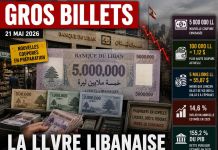
Lebanese pound: big notes, little confidence
The Bank of Lebanon is preparing new banknotes of 500,000, one million, two million and five million pounds. The transaction can alleviate cash payments and reduce cash handling costs. But it raises a deeper question: how can we restore confidence in the Lebanese pound while the political, banking and administrative leaders associated with the collapse remain largely present, without clear accountability or complete banking reform?

Lebanese tourism: conflict emptys the season
Lebanese tourism is approaching Eid Al Adha in a climate dominated by conflict, the strikes to the south, the security negotiations expected in Washington and the caution of travellers. Low bookings do not only reflect a weak economic situation. They reflect an immediate crisis of confidence, affecting hotels, restaurants, agencies, airlines, car rental companies and businesses dependent on diaspora returns.
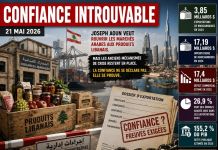
Arab Markets: Unable to Trust Lebanon
The reopening of Arab markets to Lebanese products cannot be reduced to a diplomatic promise. The figures show a country still highly dependent on imports, exposed to a massive trade deficit and penalized by a deep crisis of confidence. The problem goes beyond the Gulf market. It concerns the responsibility of the actors still in place, banking reform, public controls, energy and the state's ability to prove that the rules have really changed.

ARTIFICIAL INTELLIGENCE, FINANCIAL CYCLES AND THE GLOBAL BRJ CYCLE INDEX
Artificial intelligence is entering a critical phase where real economic transformation and financial euphoria merge. The BRJ Global Cycle Index places the IA sector between 78 and 88, signaling an advanced institutional euphoria, with solid profits but risky valuations and almost perfect growth scenarios already integrated into markets.
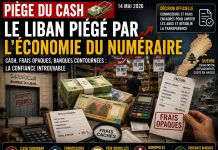
Lebanon trapped by the cash economy
The cash economy in Lebanon remains one of the most visible symptoms of the banking crisis and the loss of confidence. The setting of fees and fees by a formal financial institution opens a test of control, but success will depend on the actual application of the rules. Between cash payments, monopolies, speculation and incomplete banking reform, the country must make formal channels safer and more useful.
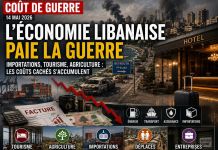
The Lebanese economy facing the cost of war
The Lebanese war economy is not only measured by destroyed houses or hit roads. The bill covers more expensive imports, almost stop tourism, damaged agricultural land, displaced people, health, school and financial mistrust. Visible losses add to hidden costs, while the authorities are still seeking to assess a continuing crisis.
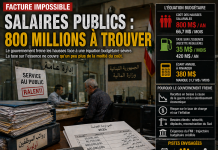
Public salaries: $800 million bill against a coerced state
The government is holding back wage increases in the public sector as the bill is about $800 million per year, or $66.7 million per month. The gas tax pays about 35 million per month, or 420 million per year, far from the total cost. Between social emergency, exchange rate stability, war and reconstruction of the South, Beirut is seeking a gradual, targeted and funded solution to avoid a new and lasting monetary shock.
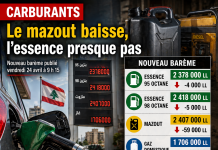
Fuel prices: fuel oil decline
Fuel prices declined on Friday, 24 April, in Lebanon, according to the new scale issued in the morning. The decrease remains limited for petrol, with 4,000 pounds less for 95 octane and 5,000 pounds for 98 octane. The most significant movement is fuel oil, down 59,000 pounds. The price of the domestic gas can remains unchanged at 1,706,000 pounds.



