
Press review: negotiation under fire at the heart of the Lebanese impasse
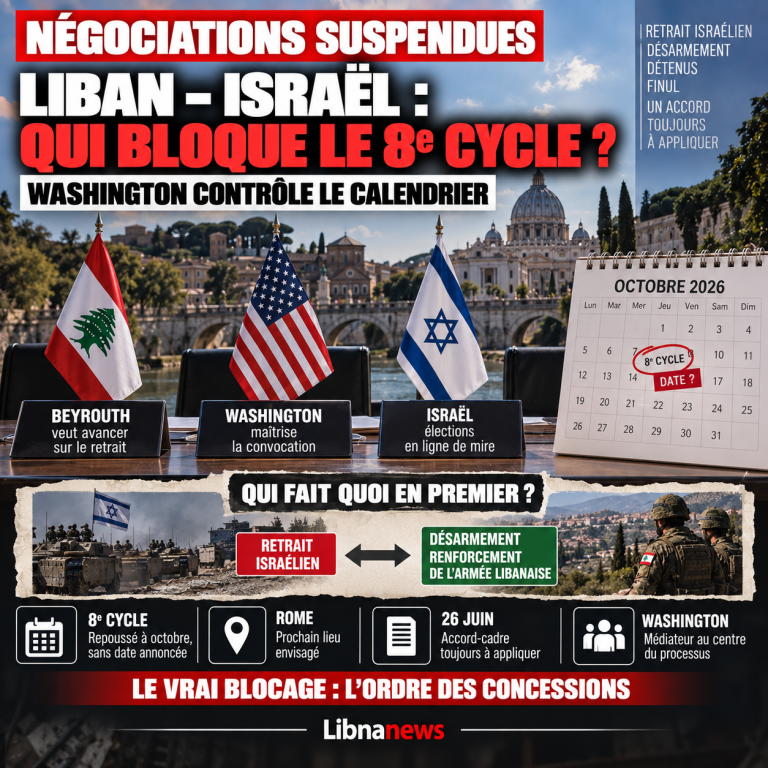
In Washington, the third round between Lebanon and Israel reveals a major stalemate: Beirut demands ceasefire, withdrawal and sovereignty, while Israel conditions any truce in the disarmament of Hezbollah. Under the strikes, American mediation appears contested, between military pressure, regional calculations and Lebanese internal fragility at the heart of the state.
South Lebanon: Ben Gvir unveils a colonial project
Ben Gvir claims to want to settle in Lebanon, against the background of warnings in the South and fears of an Israeli colonial project.
Israeli withdrawal from Hezbollah against disarmament
The discussions between Lebanon and Israel in Washington are entering a decisive phase. According to an Israeli public media, an agreement could link the Israeli withdrawal from Lebanese territory to the disarmament of Hezbollah, with a plan attributed to the CIA. Beirut remains cautious. The Lebanese line places the complete ceasefire and withdrawal before any internal treatment of Hezbollah weapons. Israel, on the other hand, wants to make the military dismantling of the movement the condition for any lasting stabilization.
Lebanon-Israel: Berri wants Riyadh and Tehran guarantors
Nabih Berri wants to put negotiations between Lebanon and Israel in a broader regional framework. The President of Parliament believes that an agreement can only be held under an Iranian-Saudi umbrella, with an American guarantee. This requirement reflects his distrust of a limited truce in Washington and his refusal to treat Hezbollah weapons as a clause imposed by Israel before a real ceasefire and an effective withdrawal.
Meghli, serving births in Lebanon
The meghli, emblematic spicy pudding of Lebanese cuisine, celebrates the births and great moments of life. Based on ground rice, cinnamon, cumin and fennel, garnished with nuts and dried fruits, it symbolizes sharing, fertility and joy, transmitted from generation to generation in Lebanese homes.
The Lebanese economy facing the cost of war
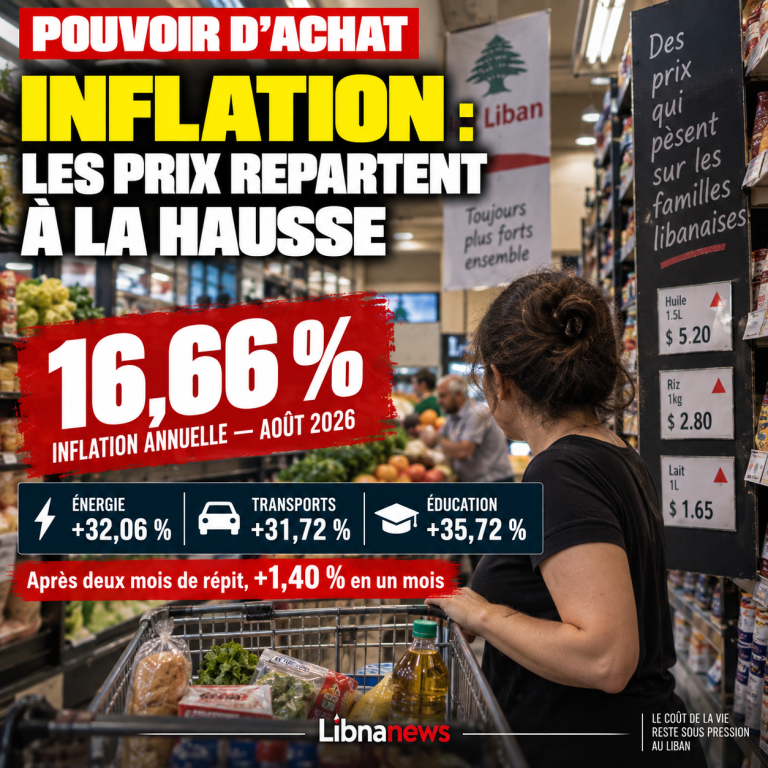
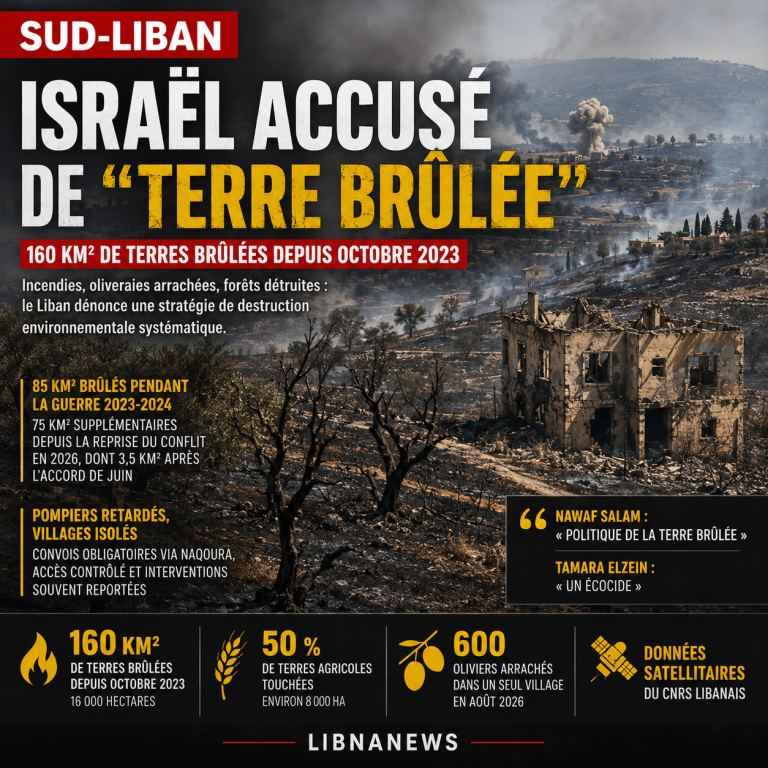
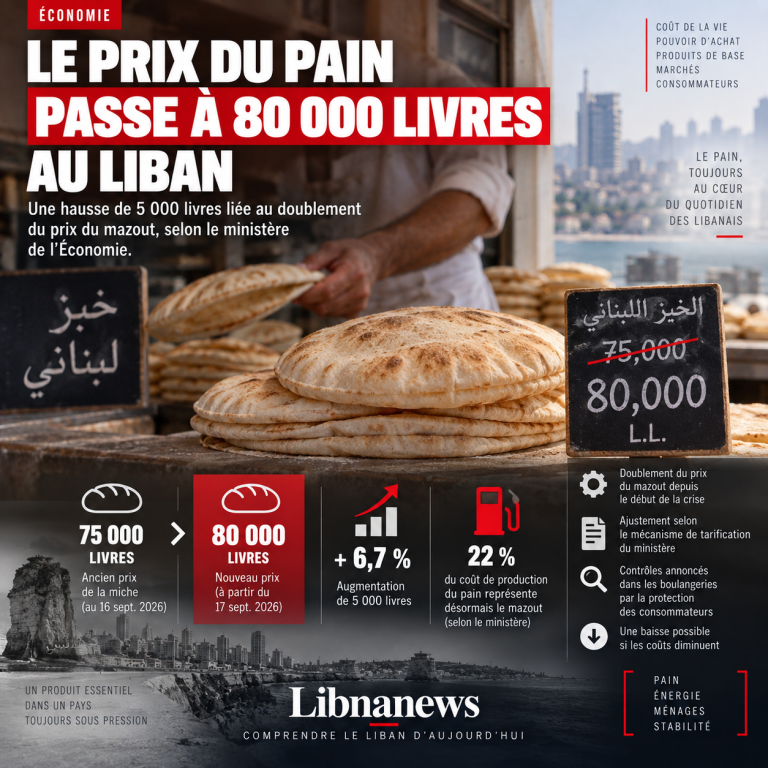
The Lebanese war economy is not only measured by destroyed houses or hit roads. The bill covers more expensive imports, almost stop tourism, damaged agricultural land, displaced people, health, school and financial mistrust. Visible losses add to hidden costs, while the authorities are still seeking to assess a continuing crisis.
How southern Lebanon weighed on the birth of Shiite Iran
Iran did not become Shiite by mere missionaries from southern Lebanon. But the Jabal Amel has provided the Safavids with scientists, lawyers and doctrinal cadres essential to transforming a state decision into a lasting religious order. A more complex, political and fascinating story than the slogan.
Public salaries: $800 million bill against a coerced state
The government is holding back wage increases in the public sector as the bill is about $800 million per year, or $66.7 million per month. The gas tax pays about 35 million per month, or 420 million per year, far from the total cost. Between social emergency, exchange rate stability, war and reconstruction of the South, Beirut is seeking a gradual, targeted and funded solution to avoid a new and lasting monetary shock.
The Znoud el-sit: a pillar of Levantine pastry in the midst of a culinary...
The znoud el-sit, laminated rolls stuffed with d-ashta and then immersed in a syrup fragrant with orange blossom or rose, are a pillar of the Levantine pastry. Born in the Syrian-Lebanese kitchens, they are now experiencing a revival, between traditional recipes for Ramadan and lighter or merged versions.
Lebanon and the Coué method
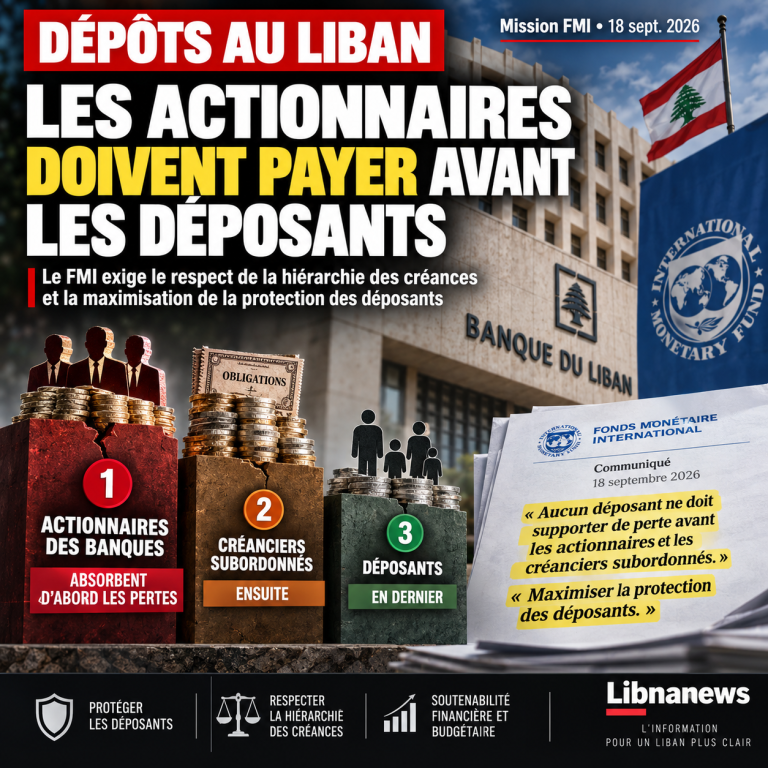
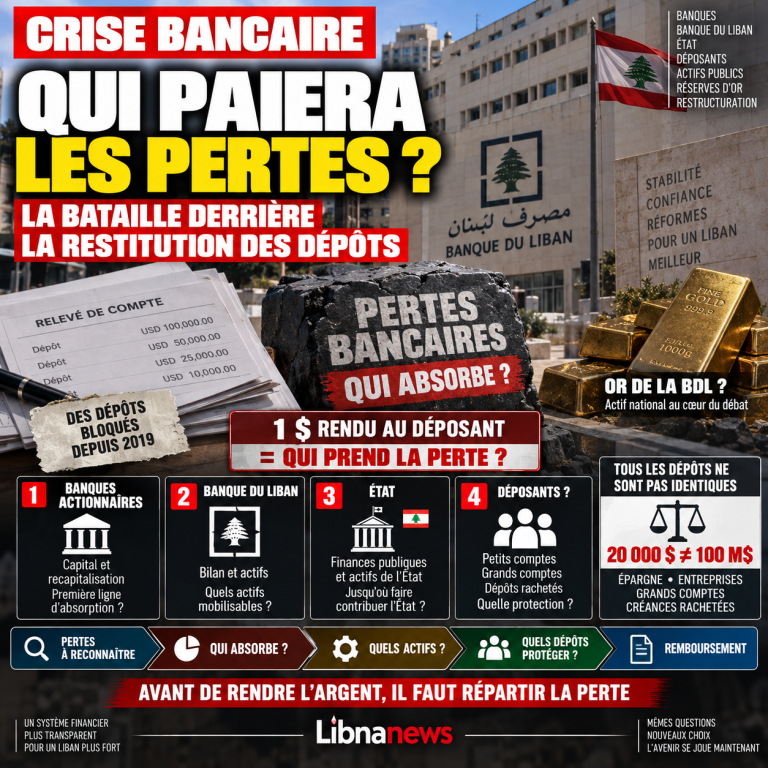
Editorial: Lebanon has become accustomed to reassurance. The truce is extended, but the drones continue. The economy seems to be stabilized, but deposits remain blocked and credit does not return. The state speaks of sovereignty, but it is hard to exercise it in its territory, finances and institutions. This national Coué method allows to hold, but it does not allow to heal. The country now has to choose between a survival story and a real decision.
Lebanon and the Coué method
Editorial: Lebanon has become accustomed to reassurance. The truce is extended, but the drones continue. The economy seems to be stabilized, but deposits remain blocked and credit does not return. The state speaks of sovereignty, but it is hard to exercise it in its territory, finances and institutions. This national Coué method allows to hold, but it does not allow to heal. The country now has to choose between a survival story and a real decision.
Why Iran weighs on the Lebanese table without sitting there
Iran does not sit at the Lebanese-Israeli table, but its influence goes through all the negotiations. Washington links the truce to Hezbollah, Israel seeks guarantees against the Iranian axis, Riyadh tries to preserve Lebanese unity and Beirut wants to maintain its national mandate. Between Ormuz, sanctions, financing, Israeli withdrawal and the return of displaced persons, Lebanon must avoid becoming a map in the regional arm.
Riyadh attempts to bring the three Lebanese presidencies closer together
Saudi mediation aims to bring Joseph Aoun, Nabih Berri and Nawaf Salam together before a sensitive diplomatic stage. Riyadh seeks to preserve internal stability, unify the Lebanese position and prevent an overly rapid US calendar from breaking the institutions. The Taif reminder serves as a political framework, while the South, the displaced and the Israeli withdrawal remain at the heart of the Lebanese national mandate.
South Lebanon: a truce without returning residents
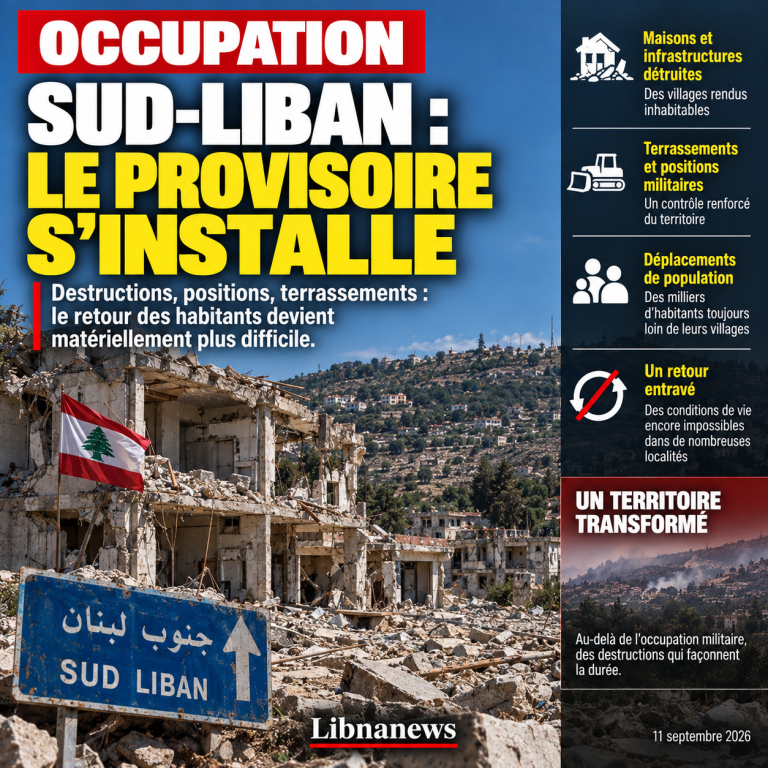
The prolonged truce in South Lebanon remains incomplete until the internally displaced can return. Inaccessible villages, destroyed roads, damaged farmland and threat of strikes keep families away from home. Return becomes the real test of ceasefire, sovereignty and lasting reconstruction.