After UNIFIL, Lebanon wants to retain troops to protect it
The planned withdrawal of UNIFIL from 2027 onward led Beirut to reflect on the next stage. Without an officially agreed plan, several signals show that international maintenance in southern Lebanon is now being discussed well beyond the United Nations. Italy stated that it wanted to remain present even after the mission, Spain wanted to continue its engagement in another form, and Joseph Aoun supported any country ready to maintain forces in the South in a framework accepted by Lebanon. This perspective is gaining weight as Israel consolidates a de facto militarized band within Lebanese territory.
Negotiations in Washington: Beirut seeks a French counterweight
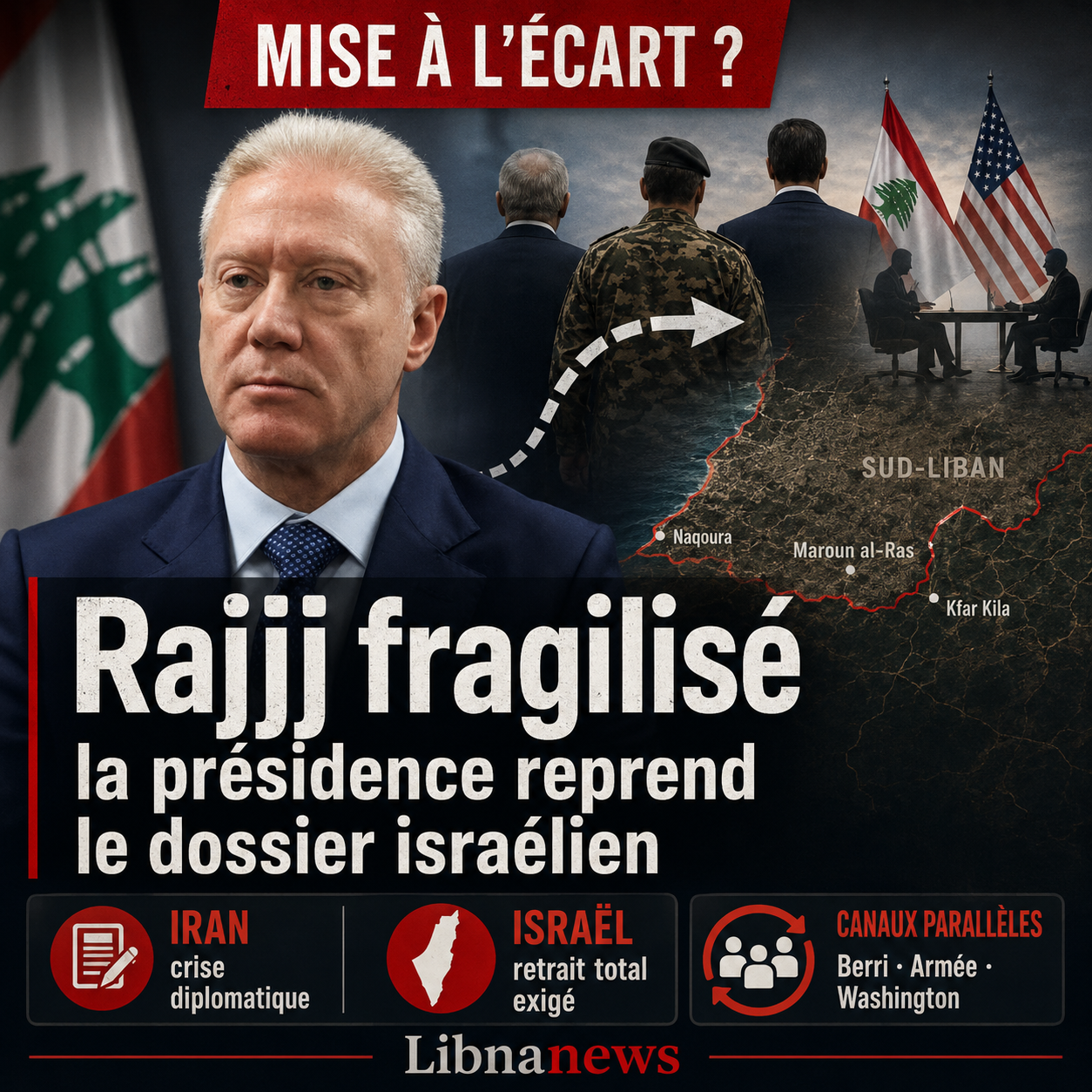
On the eve of further negotiations in Washington between Lebanon and Israel, Emmanuel Macron promised Nawaf Salam that France would help Beirut prepare its position, even without sitting directly at the table. This support is not symbolic. At a time when the United States is holding the format, where Israel retains the military advantage and where Lebanon arrives weakened by the war, Paris can still play a useful role: clarifying the Lebanese red lines, reintroducing the issues of sovereignty, Israeli withdrawal and the protection of civilians, and preventing negotiations from being reduced to an exclusively security agenda.
Lebanon: The rubble still delivers its dead
The ceasefire did not end the death count in Lebanon. It opened a slower and harder phase, that of the remains removed from the rubble, collapsed buildings and still difficult to access areas. In Tyre, Kfar Melki, Qadmous, Hayy al-Sellom or near the Qasmiyeh bridge, the rescue teams continue their research and reveal an incomplete human record. The health authorities recognize this themselves: the figures remain provisional until the rubble is lifted, the bodies are not extracted and DNA identifications are completed.
Yellow line: Israel locks South Lebanon
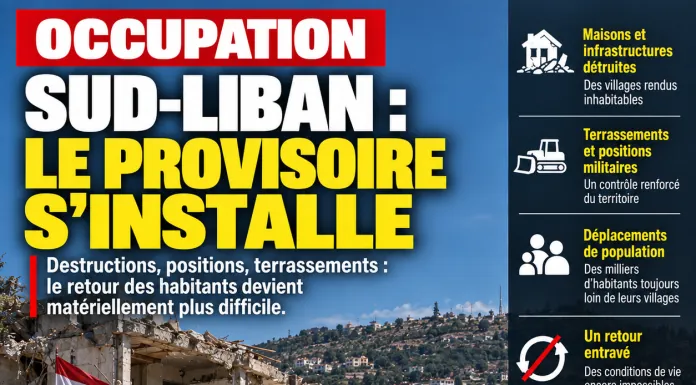
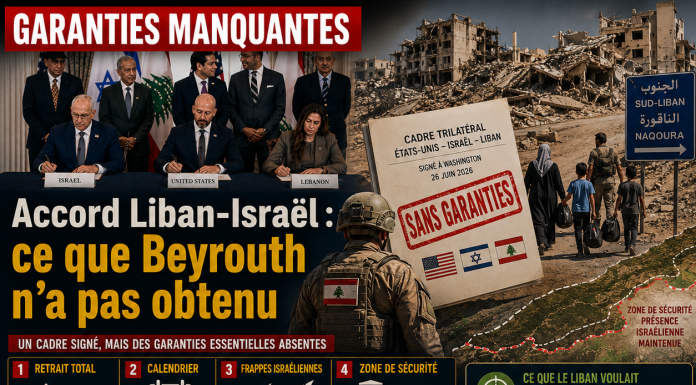
The yellow line imposed by Israel in southern Lebanon is already redefining the terms of the ceasefire. Presented as an advanced line of defence, it effectively prohibits the normal return of dozens of localities, maintains an Israeli military presence inside Lebanese territory and increases tension with Hezbollah as with the Lebanese State. Behind the route is the sovereignty, the reconstruction of the South and the future of 100,000 to 150,000 potential displaced persons.
In Lebanon, corruption never disappears: it returns in fragments
In Lebanon, corruption does not disappear: it returns in fragments, between the file of the Casino of Lebanon, suspicions about emergency aid and collapse of institutional trust. In the absence of clear judicial closures, each case feeds into a system where opacity, public waste and unfinished responsibilities remain the norm.
Russia-China: Energy as a lever
On a visit to Beijing, Sergei Lavrov assured that Russia could compensate part of the energy deficit caused to China by the Middle East war. This promise comes at a time when Moscow is seeking to consolidate its pivot towards Asia, while Xi Jinping is preparing a new first-rate diplomatic sequence, with Donald Trump expected mid-May and Vladimir Putin announced in the first semester. Behind the rhetoric of friendship, energy appears to be the true heart of the balance of power between Beijing and Moscow.
Conflict: 37,836 affected housing units in Lebanon
The latest update of the CNRS-L brutally places housing in the centre of the war in Lebanon. Between 2 March and 7 April 2026, 37,836 housing units were identified as destroyed or damaged. The number is massive, but its strength is mainly due to its rapid accumulation and geography: Baabda, Nabatiyeh, Bint Jbeil, Sour and Marjaayoun concentrate most of the damage. The 2023-2024 report remains essential to measure the scale of the shift, but the focus is now on this new sequence and what it announces for the recovery.
EU-Israel agreement: how the Union could challenge it, and why it remains divided
After the Israeli strikes on Lebanon, the debate on the EU-Israel Association Agreement resurfaced. Paris wants to reopen the discussion, Madrid asks for a suspension, Rome hardens the tone. But between the real legal basis and the political divisions of the Twenty-Seven, a challenge remains very difficult.
Lebanon: map showing the extension of the conflict
Map of Lebanon: analysis of the OCHA snapshot showing the spread of conflict, displacement and humanitarian pressure.
South Lebanon: When War Reaches Cemeteries · Global Voices
In southern Lebanon, the destruction of cemeteries feeds the fear of territorial and identity erasure beyond military logic.
From ALS to annexation: why 2026 no longer looks like 1982 in South Lebanon
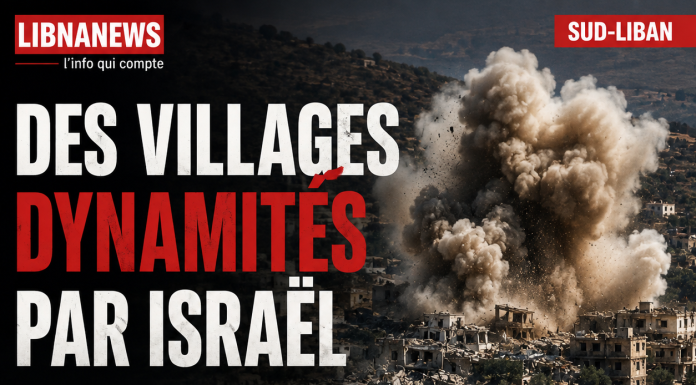
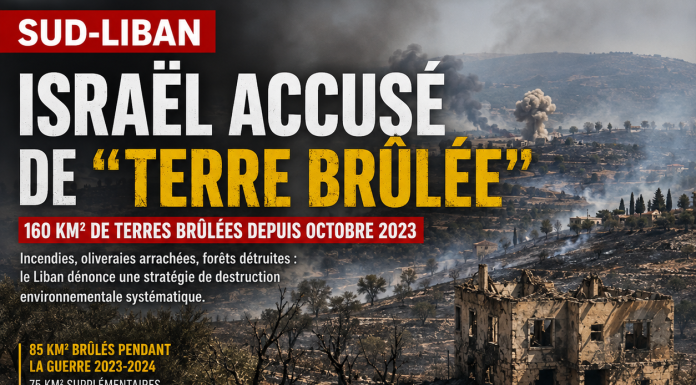
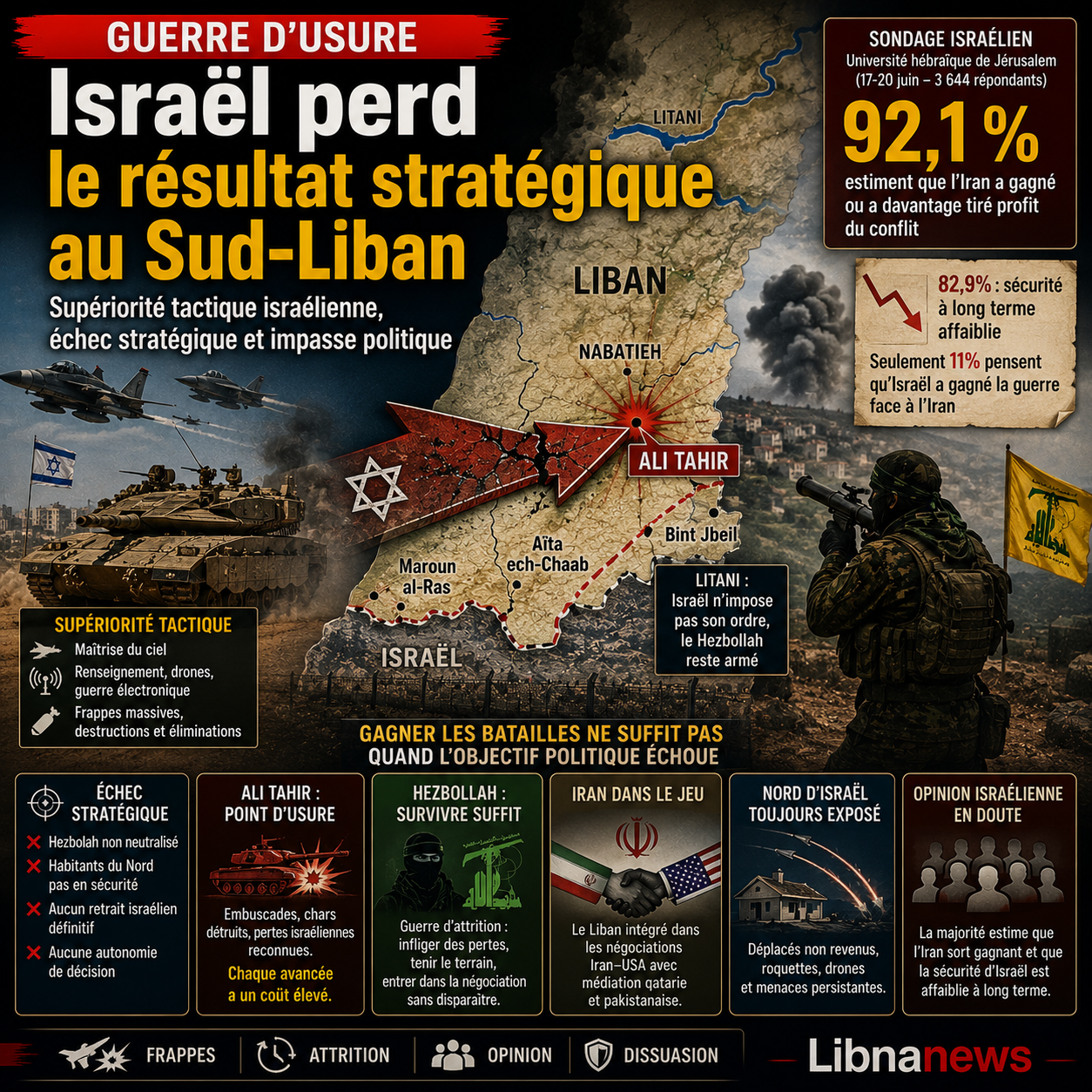
Since the end of March, Israeli leaders have been talking no more about repelling Hezbollah. They describe a project to control southern Lebanon up to Litani, with the destruction of border villages, the ban on return for hundreds of thousands of displaced persons and, among some officials, the assumption of speeches on a new Israeli border. Compared to 1978 and 1982, this strategy marks a break: once supported by the ALS and a local facade, the occupation envisaged today appears more direct, more territorial and closer to a logic of annexation.
Gasoline: the shortage is gaining ground
More and more countries are rationing petrol. In France, stations are broken. In Indonesia, civil servants go to telework.
Holy Sepulcher: why the absence of Mass counts
Holy Sepulchre: Why the absence of Palm Mass in Jerusalem goes beyond the incident and touches the very heart of the Christian faith.
Gasoline: Shortage becomes a global risk
Gasoline shortages: more and more countries are experiencing supply tensions, rationing and rising prices after the strikes against Iran.