Press review: Lebanon at the centre of military escalation and regional bargaining
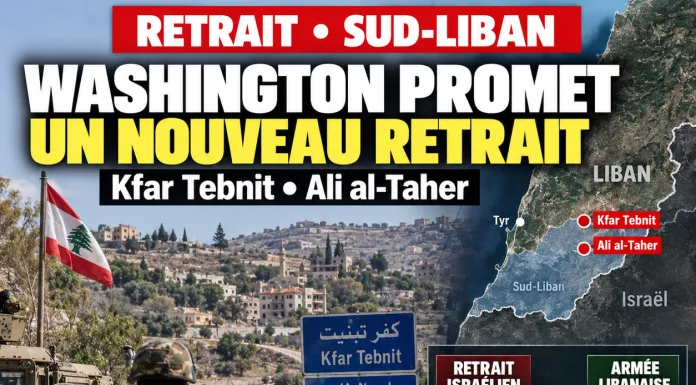
South Lebanon under pressure, Beirut again threatened In its 26 May 2026 edition, Annahar puts Lebanese tension at the forefront of the news. The first aid and fire watch in Kfar Remmane, Nabatiyah district, after an Israeli strike. The main title insists on Hezbollah's escalation and threats [...]
Lebanon: The risk of regional escalation
Lebanon faces a major warning following Israeli strikes in the south, Tyre, Nabatiyah and Bekaa. There were 34 deaths in 24 hours. Threats to Beirut, Hezbollah drones, Iran and the United States raise fears of an immediate regional escalation.
Hezbollah drones: Smotrich threatens Beirut
Smotrich threatens Beirut: ten buildings destroyed for each Hezbollah explosive drone, against a fragile truce in Lebanon.
Lebanon faces the risk of targeted drug ruptures
Medicines in Lebanon remain available, but war, transport costs and rising consumption are weakening the market.
Ahmad Al Sharaa is shaping the Syrian Parliament
The Syrian Parliament expected on 8 June must test the transition between presidential seats, regional inclusion and political control.
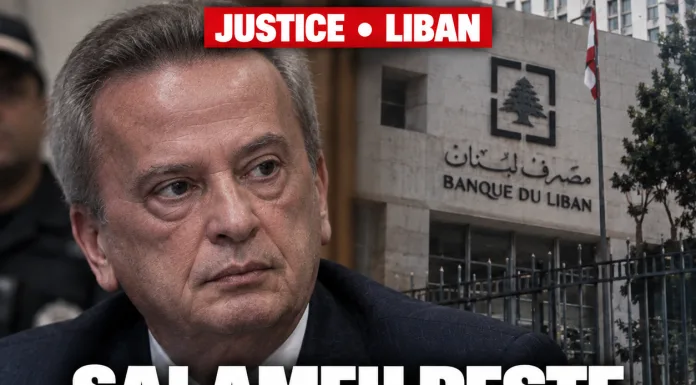
Lebanese depositors trapped by BdL circulars
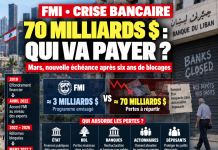
Lebanese depositors remain dependent on circulars 158 and 166, which maintain withdrawals without ending the banking crisis.
Gaza in the face of civilian crushing
In Gaza, strikes, hunger, aid restrictions and displacement aggravate an already heavy civilian record despite the truce.
Naim Kassem raises the tone
Naim Kassem hardens the tone on Hezbollah's weapons, threatens the street and defends Al-Qard Al-Hassan against American pressure.
Know Thy Enemy — Phoenicia, Syria, Levant
Putting history in its place The Levant is probably one of the few places in the world where history never died. It continues to live in languages, kitchens, religions, family memories, ports, alphabets and even in modern identity rivalries. Ancient Phoenicia was a coastal civilization extending approximately [...]
Hormuz weighs on Lebanese prices
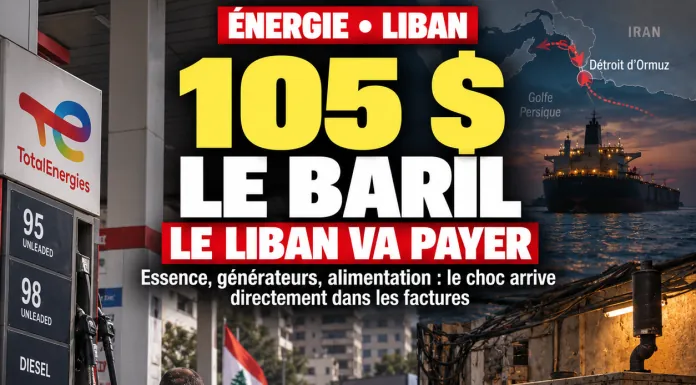
The crisis in the Strait of Hormuz exposes the flaws in the Lebanese economy. The country imports fuel, some of its food, medicines and many essential inputs, while its banking system remains paralysed. The increase in freight, insurance and energy can therefore quickly reach households. Bank circulars cushion part of the shock, but also prolong an unresolved crisis.
In Lebanon, the street again becomes a political weapon
The Lebanese street returns to the centre of the political game, while Hezbollah challenges any pressure on its weapons before the Israeli strikes stop and the return of the inhabitants of the South. The American response, in favour of the Salam government, turns the crisis into a test of legitimacy. Beirut remains the most sensitive place of this tension, as any mobilization can revive fears of internal fracture.
Hezbollah disarmament in stages
The disarmament of Hezbollah is no longer an immediate decision, but a progressive process. American pressure, Israeli demands and reconstruction needs can gradually reduce the party's military and social autonomy. Naim Kassem refuses this calendar and places any discussion after the halt of the strikes, the Israeli withdrawal and the return of the inhabitants of the South. The Lebanese State seeks a margin between sovereignty and the risk of internal explosion.
Lebanon trapped in the mutual veto: when elites protect each other
Political, institutional and financial analysis of reform paralysis in Lebanon Since the financial collapse of 2019, an idea is constantly returning to the Lebanese debate: "Who blocks the reforms? For some, the person in charge is obvious. For others, it has a specific name, party or confession. Yet, more the years [...]
Washington-Tehran agreement: Lebanon waits
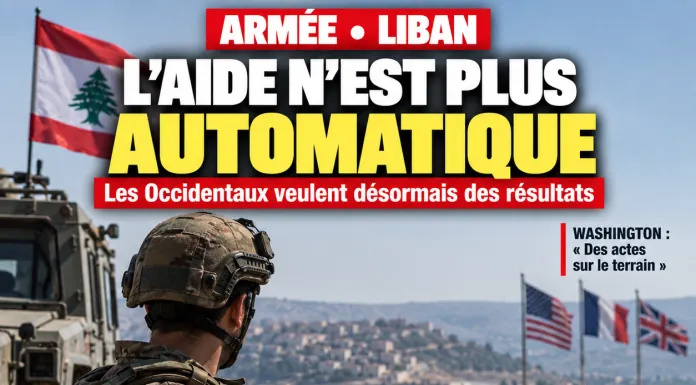
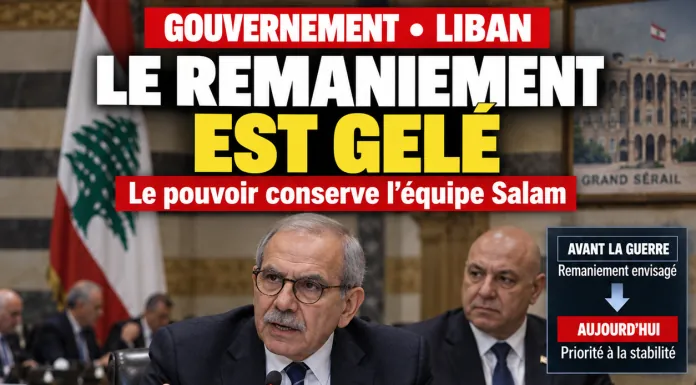
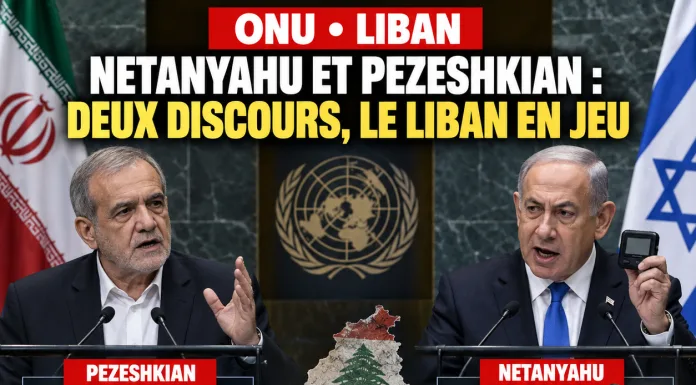
Lebanon is at the centre of a regional negotiation whose terms it lacks. Discussions between Washington and Tehran may lead to de-escalation, but guarantees remain unclear for the southern front. Israel wants to preserve its freedom of action, Hezbollah refuses any pressure on its weapons, and the Salam government is trying to restore state authority without causing a major internal crisis.