





Former cadre of the Kataeb and Lebanese Forces and long close to Dr. Samir Geagea, engineer Alfred Mady today accuses the leader of the Lebanese Forces party of opening the door to a Syrian return. The response, virulent, turned to the media campaign – to which he responded with a cunning tweet.
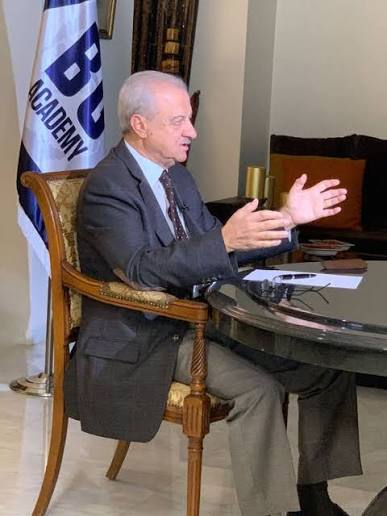
Alfred Mady has long been one of Dr. Samir Geagea’s closest friends. A representative of the Lebanese Forces in the United States from 1976 to 1983, where he headed their office in Washington, D.C., and established close ties with the American official circles, a member of the Kataeb political bureau from 1983 to 1992, and a founding member of the Executive Committee of the Lebanese Forces from 1991 to 1994, he broke with Geagea in 1994. He has been leading the Bachir Gemayel Academy of the Holy Spirit University of Kaslik (USEK) since 2017 and is currently chairing his own movement, the Other Choice. From 1983 to 1994, his journey placed alongside Geagea himself – an anchor that gives his critic a particular reach: he is not an external opponent who speaks, but a former companion.
Context: Damascus, Washington and Hezbollah’s weapons file
US President Donald Trump has, on several occasions – notably on the sidelines of the G7 of Evian in June 2026 – suggested that Syria be entrusted with the task of « occupying » Hezbollah instead of Israel, considering that Ahmad al-Shareh (Julani) would be « more precise ». The US envoy Tom Barrack, responsible for the Lebanese case, sent similar signals.
Damascus, for its part, has consistently denied any intention of military intervention. Jolani ensured that he sought « economic, non-military channels » and did not want to « open the wounds of the past ». During his visit to Beirut on 2 July 2026, Syrian Foreign Minister Assaad al-Chaibani met with most of the Lebanese leaders – including Geagea –, excluded any meeting with Hezbollah and argued for « a new page ».
It is in this climate – Lebanese-Israeli negotiations sponsored by Washington, framework agreement signed in June, « pilot zones » in the South, constant American pressure to disarm Hezbollah – that Dr. Samir Geagea spoke of on MTV about Syria’s potential to help Lebanon get rid of Iranian influence. A phrase that, in the mouth of a man whose party commemorates resistance to the Syrian army every year, could not go unnoticed.
Mady’s objection: the logic of « recourse »
In a TV interview, Alfred Mady recalls that the Lebanese Forces party activists celebrated the memory of the « 100-day war » of 1978 and the liberation of Achrafieh besieged by Syrians in those days. How, then, can a leader of the same party call Damascus to « come » to help Lebanon? « We got rid of them here, so that you would ask again that the Syrian come in? » he summed up, indignant.
Mady mainly blames Geagea for what he perceives as a contradiction. After publicly referring to a recourse to Syria, the party leader reportedly then told the Saudi dailyOkazhave « detected no intention from any Lebanese official » to seek help from Damascus – adding that he did not hear anyone, except Donald Trump, claiming a Syrian entry into Lebanon. For Mady, this reversal is a « denial »: « A Lebanese official asked: Samir Geagea. And to hammer his personal rule: recognizing a mistake or a lapsus is legitimate, but living in denial is not.
When questioned on the merits, however, Mady did not lend Geagea certain intentions: he said that he judged only on documents, on the statement and on his « corrective ».
From criticism to the campaign – and the response
The reply didn’t keep waiting. A campaign, both on the plateaus and on social networks, accused Mady of « political hatred » over Geagea and demanded an apology. It was this offensive that he responded with a long text published on X, widely shared in Christian circles.
The veteran first noted an irony: his detractors did not even broadcast the video in which he criticized Geagea, preferring another excerpt – an involuntary admission, in his eyes, that his position was founded. Above all, he refuses the trial in terms of « out of context »: his objection, he insists, rests on a chain of positions from which he draws a political deduction.
The reasoning is as follows. Geagea claims that Syria can help rule out Iranian influence; Mady argues that the relationship between Damascus and Tehran is broken, and Syria no longer has the necessary leverage to play this role. Geagea also has long maintained that the Lebanese State would be able to resolve the Hezbollah issue if it wanted to. Therefore, questions Mady: If Damascus has no control over Iran or the ongoing diplomatic process, and if the state can act alone, what remains of Syria to « help », if not a military intervention alongside the Lebanese army – that is, the automatic return of its soldiers to Lebanese soil? This conclusion, he writes, is « a legitimate political deduction, not treason or defamation. ».
The counter-requirement
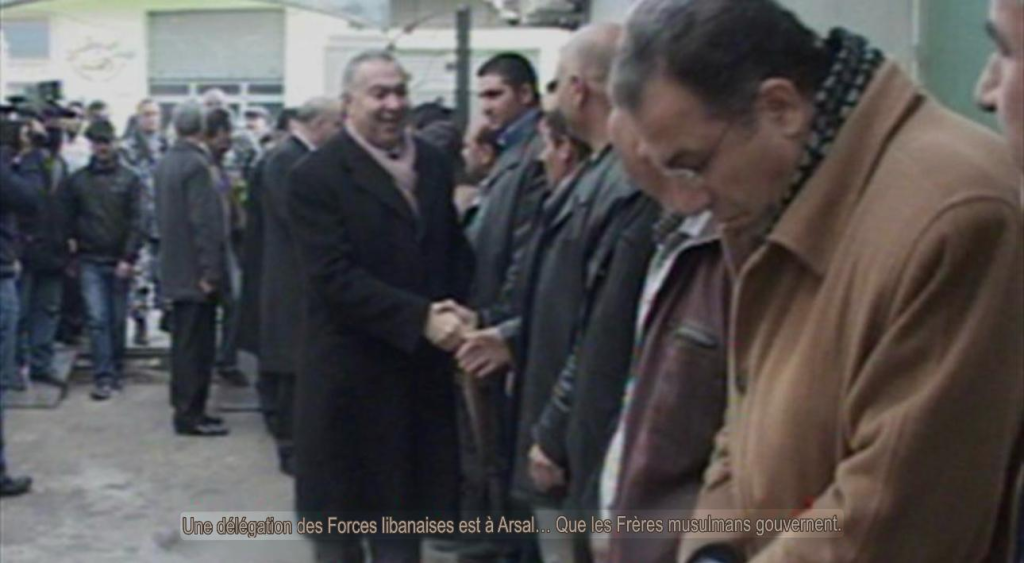
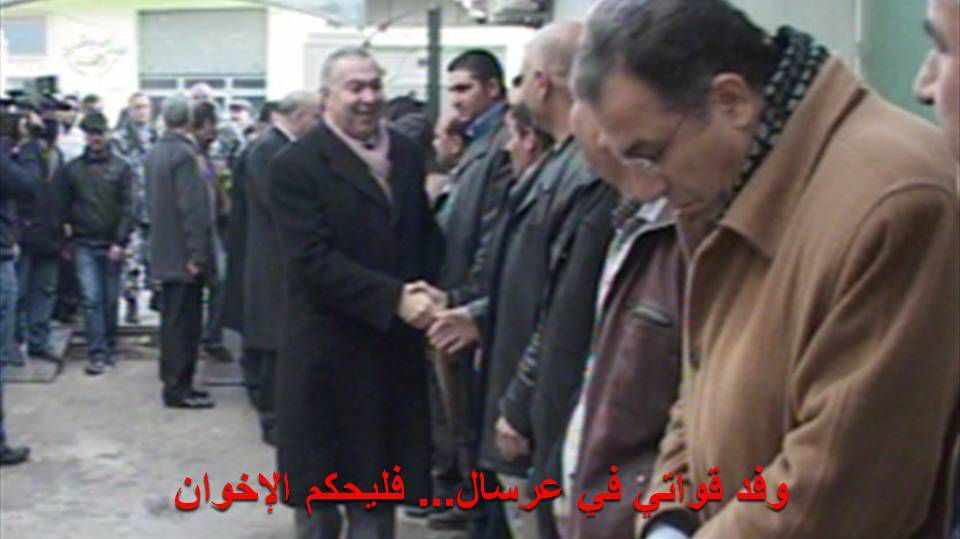
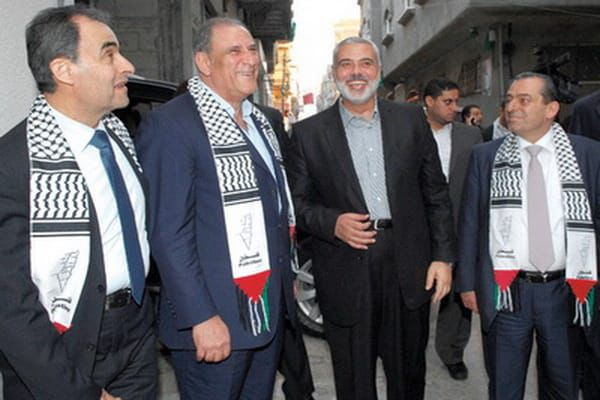
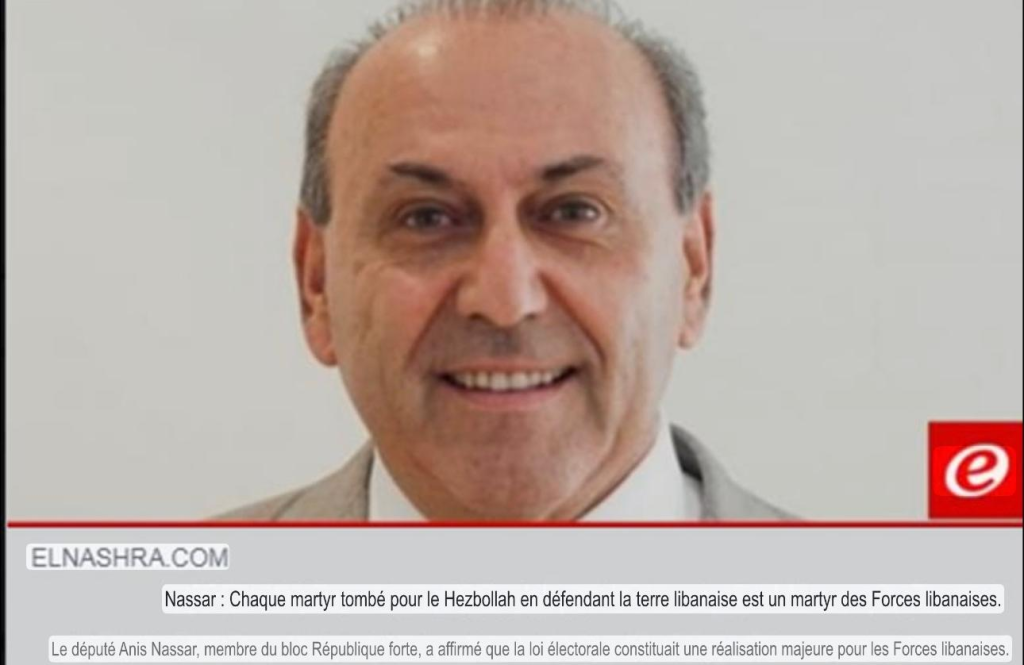
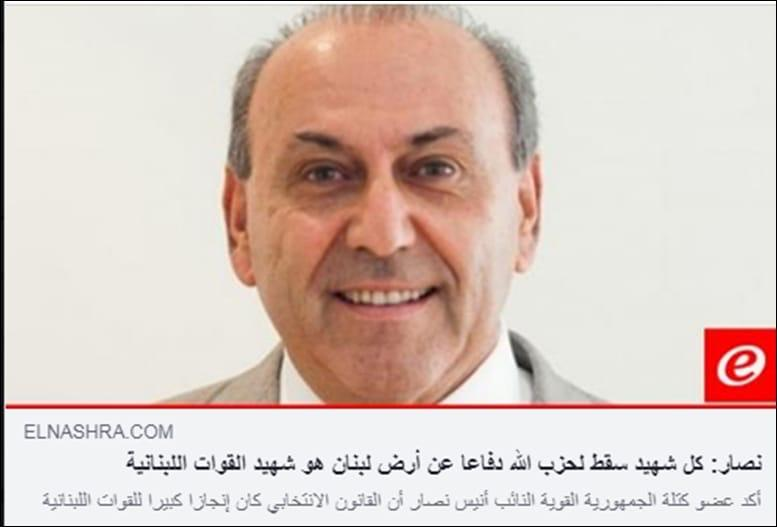
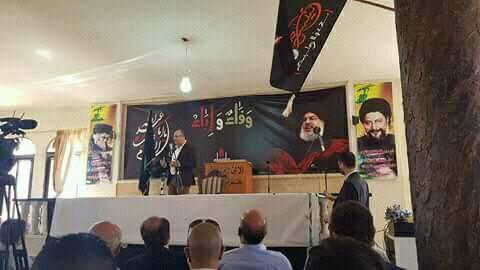
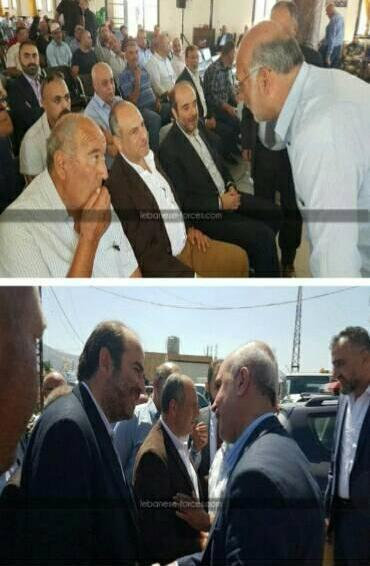
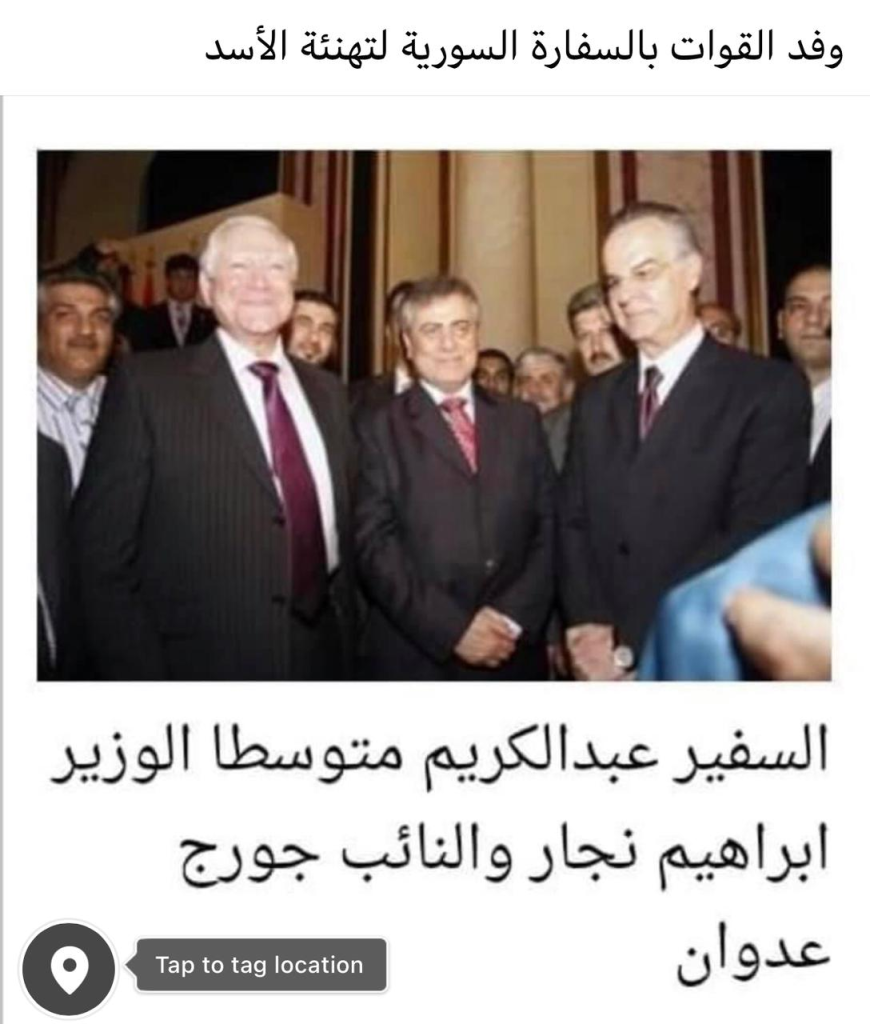
Mady doesn’t care about the defense. He returned the accusation against the party’s « Guardians », whom he described as incapable of questioning their leader and treating each change as « a divine revelation ». He then drew up a long list of grievances, beginning with Hezbollah. The Lebanese Forces party has, he recalls, shared power with him in governments and in Parliament for two decades. Above all, Geagea’s wife, deputy Sethrida Geagea, as well as some of the party’s elected officials, have for a time placed Hezbollah’s dead among the » martyrs of Lebanese resistance » – before the same movement is portrayed today as terrorist and outlaw. Mady then questioned the reconciliation of Maarab (where Geagea lives) with Michel Aoun and the free Patriotic Movement – before the subsequent scrambles with Gebran Bassil –, the invocation of a « deep state » to justify the impotence of party ministers, the sending of a delegation to Gaza from the time Hamas was erected in question, or the rarity of the word « peace » in Geagea’s mouth about Israel.
At the request of excuses, he opposes his own list. He who should apologize, he writes, is the one who greets the Palestinian cause before the mothers of martyrs who have not yet left mourning; who considers « the Syrian instead of simply asking for help »; the one who has held the decision-making power for years without having managed to unite Christians or offer them a strategic vision; He who brandishes the slogan « he is capable and he wants it » when the facts, according to him, say the opposite. His conclusion, addressed to the partisans of the party leader, slams like a challenge: do not ask me questions, « ask your master Samir what are his contradictions… and, if you have the courage, ask him about Alfred. ».
The 1985 Spectrum
This mistrust has its roots in an older memory, which Geagea critics have never concluded. In the spring of 1985, the Christian villages of Iklim al-Tuffah, east of Sidon, fell under the attack of militiamen from the Jamaa Islamiya, Nassarian formations and Palestinian organizations loyal to Yasser Arafat; Those of Iklim al-Kharroub are carried away by the Progressive Socialist Party militia and its Palestinian allies, attacking from the Shuf. Six weeks earlier, the intifada of 12 March 1985 made Dr. Samir Geagea the Chief of Staff of the Lebanese Forces. On 24 April 1985, FL fighters withdrew from East Sidon on Geagea’s orders. In the wake of this conquest of the east of Sidon by Palestinian organizations infiltrate Hezbollah elements: for the first time, the South Lebanon road opens up to the Shiite militia, which was to build a lasting military settlement there – a decisive turning point in its expansion in the south of the country. In the eyes of these same critics, this episode remains an original fault that the current debate on a possible Syrian role only revives.
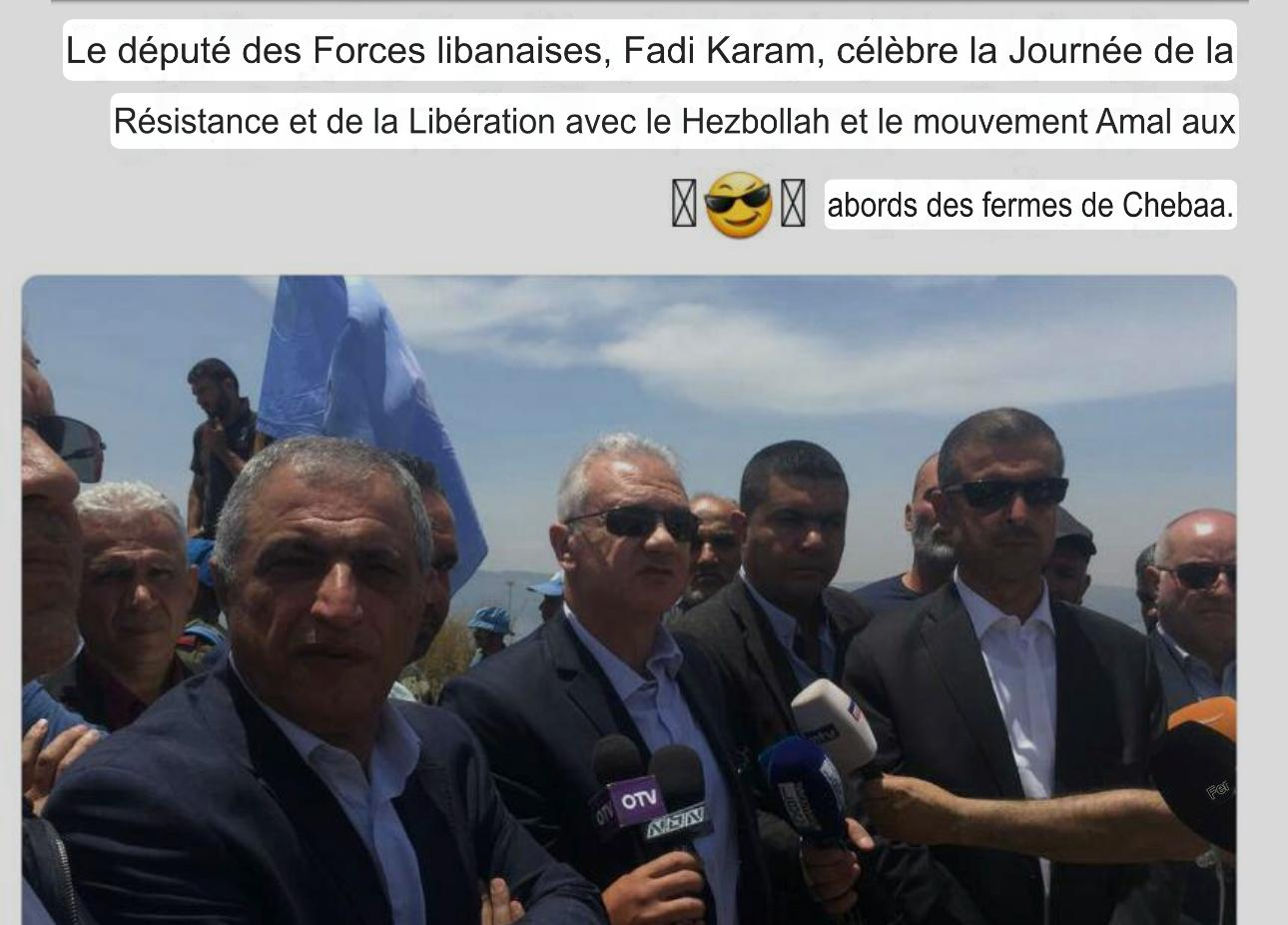
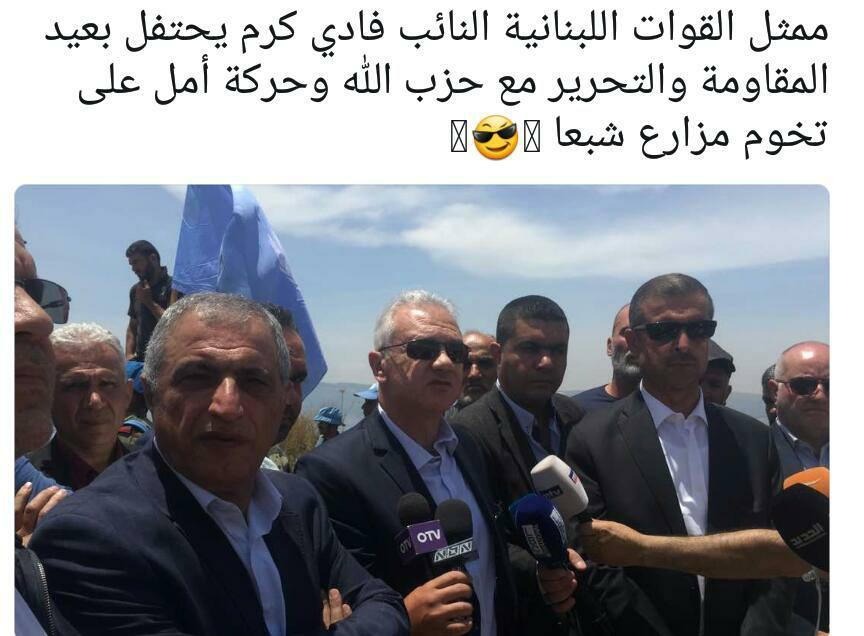
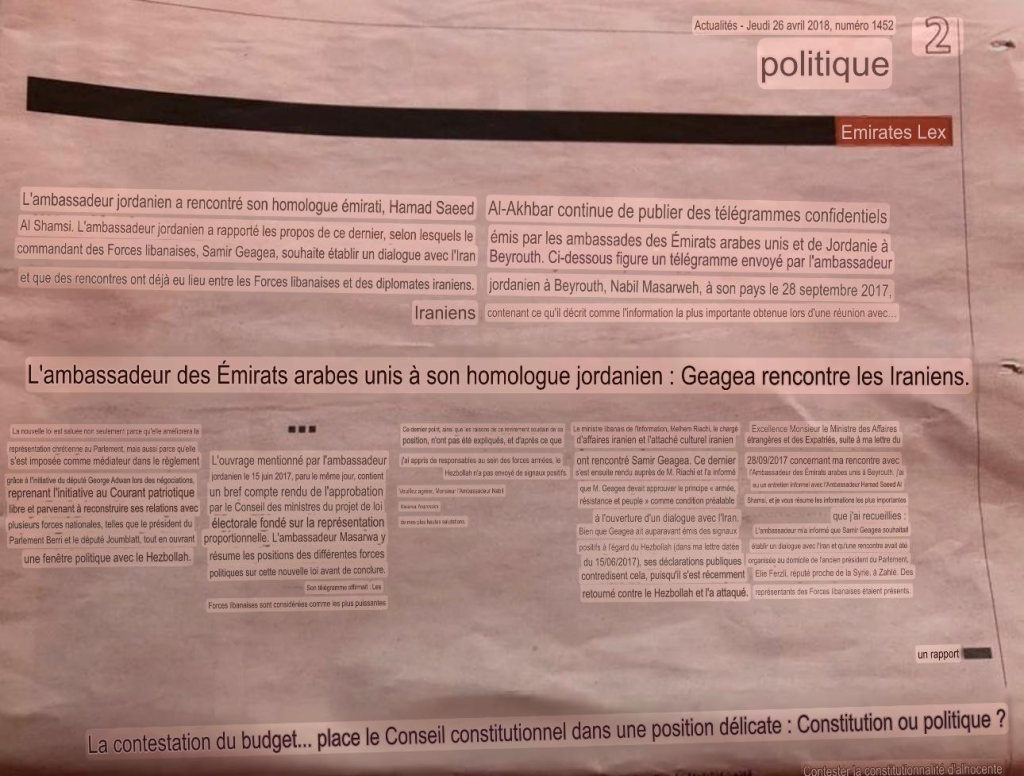
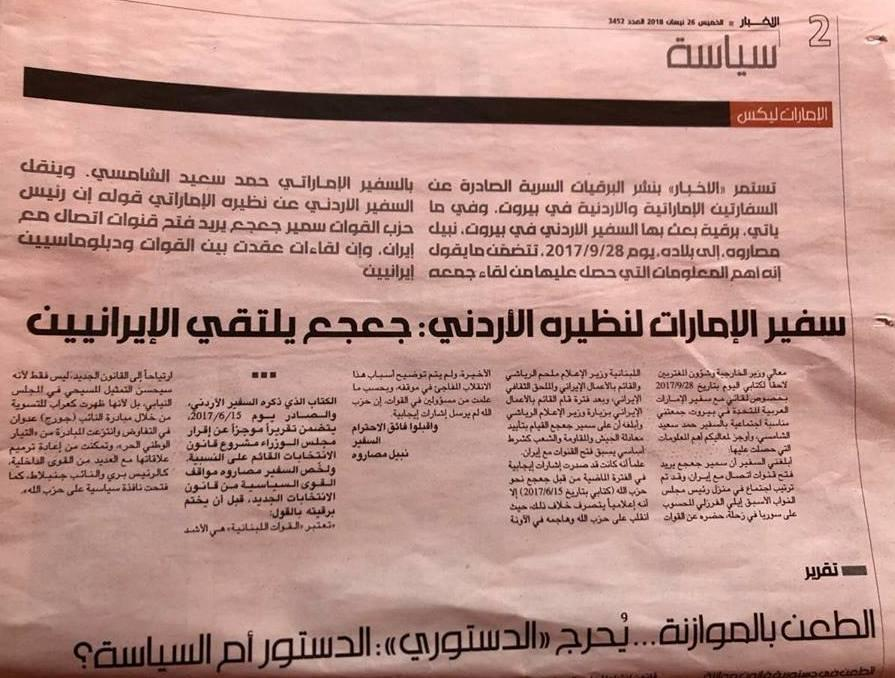
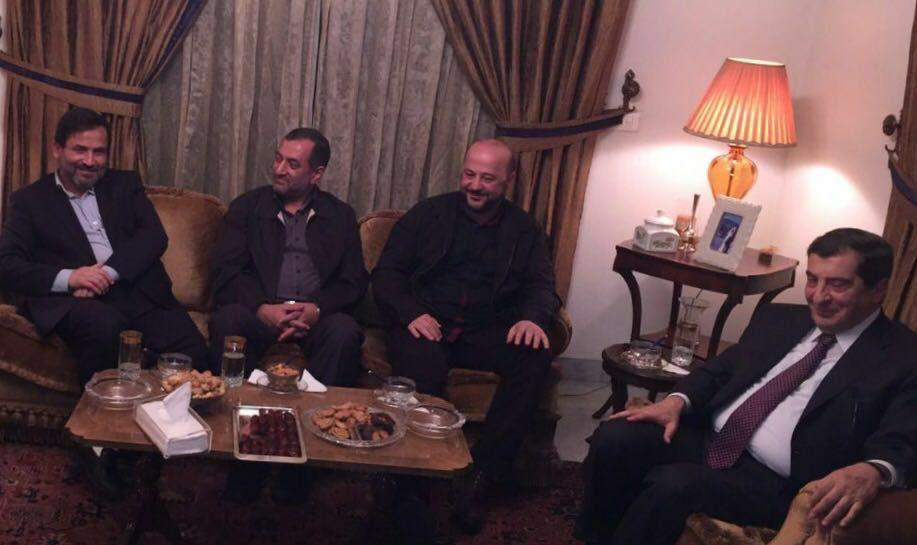
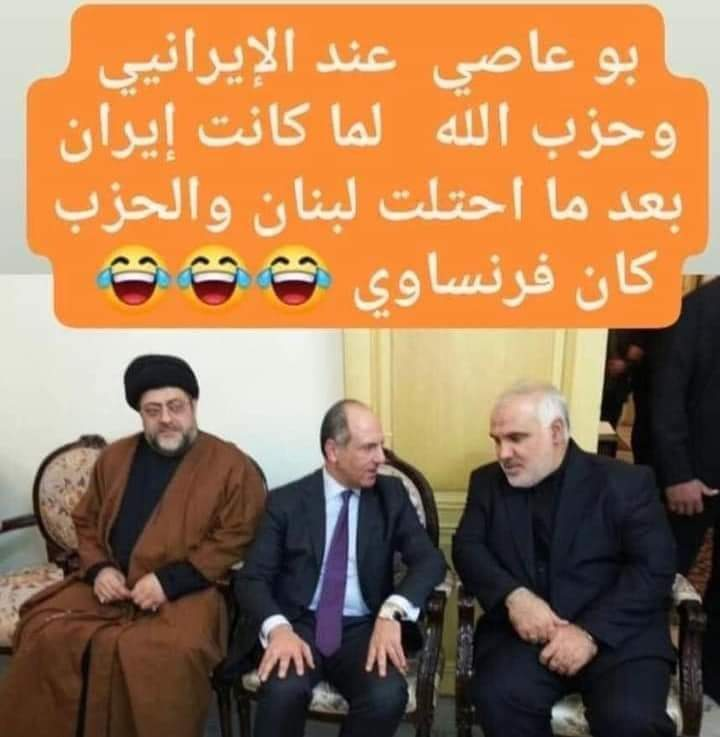
Melhem Riahi at Elie Ferzli’s home with an official delegation from the Islamic Republic of Iran
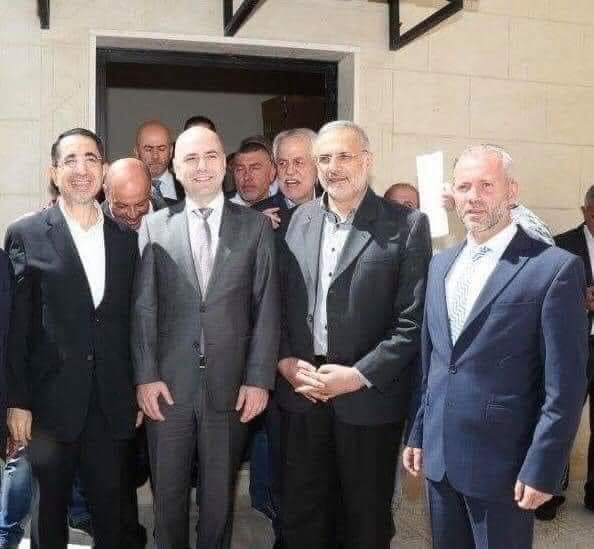
Antoine Habchi with Hezbollah
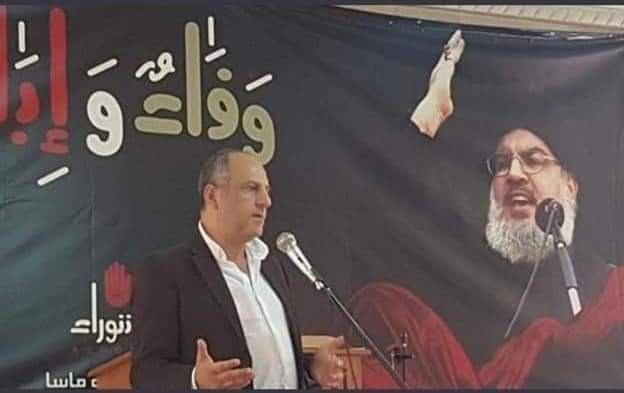
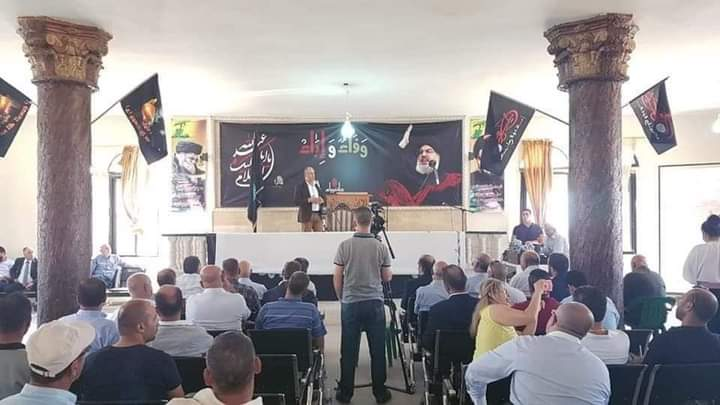
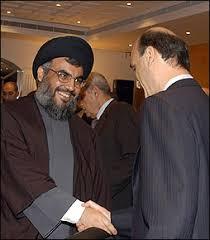
Sethrida Geagea says: « Between us, the Lebanese Forces, and our Hezbollah partners, there are many points of resemblance.
Both parties are popular, in the broad and broad sense of the term. Both parties are organized, they have clear political plans and they are struggling seriously to achieve their objectives.
Hizbullah’s Secretary General, Mr. Hassan Nasrallah, saw his son, Hadi, fall into martyrdom by confronting the Israeli enemy. Despite all this, he continues to lead his struggle alongside his audience, out of faith in his cause.
And even on the subject of the current government, Hezbollah was content with almost nothing, in the name of its cause. »
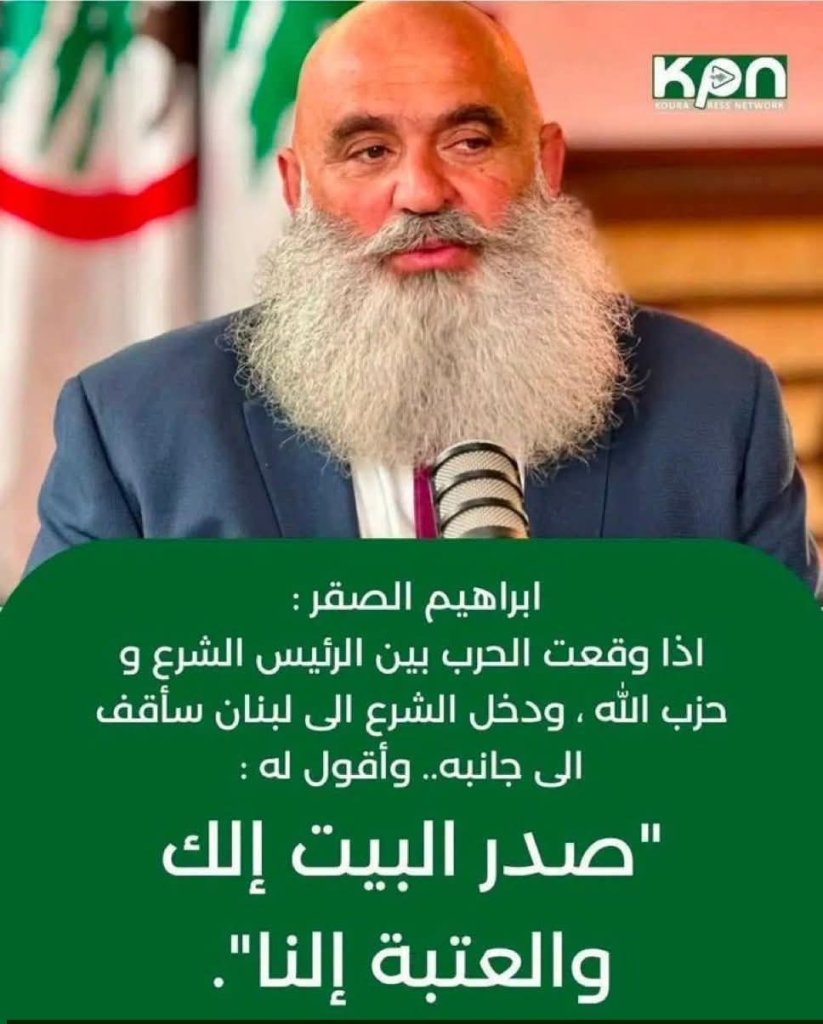
Ibrahim Al-Saker of the Lebanese Forces party: « If the war breaks out between President Sharaa and Hezbollah, and Sharaa enters Lebanon, I will stand by him… And I will say to him, « The place of honor of the house belongs, and the threshold is ours. » »