

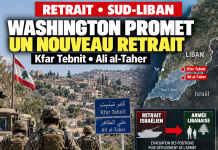
Washington promises a new Israeli withdrawal: what is really being negotiated between Kfar Tebnit,...
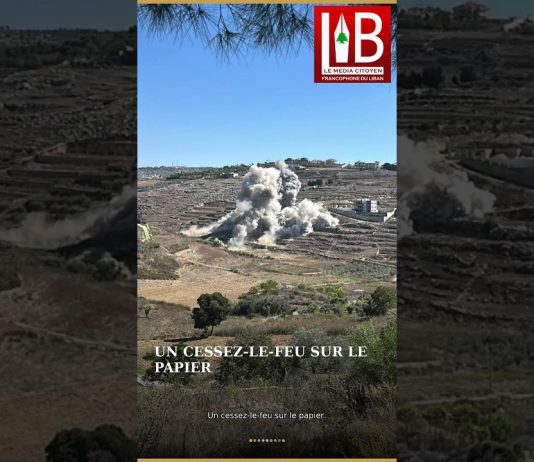
Washington promises to support a new Israeli withdrawal to Kfar Tebnit and Ali al-Taher, followed by the deployment of the Lebanese army. This new experimental zone must test the negotiated mechanism, while American demands on Hezbollah weapons, the Israeli elections and the future of the Finul complicate the discussions.
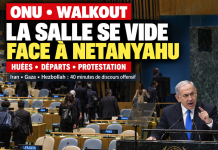
UN: Delegations leave the room opposite Netanyahu
Dozens of delegations left the UN General Assembly Hall on Thursday, 24 September, when Benjamin Netanyahu went to the rostrum. The Israeli Prime Minister immediately called them "moral cowards," before defending operations against Iran, Hamas and Hezbollah. For nearly forty minutes, he also rejected the accusations of genocide in Gaza, attacked several Governments and issued a pager referring to the operations in Lebanon in September 2024.
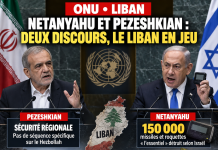
UN: What Pezeshkian and Netanyahu said about Lebanon
At the UN, Netanyahu detailed the blows to Hezbollah while Pezeshkian defended Iran. Their comments and the Lebanese context.
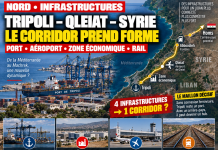
Tripoli, Qleiat and the rail to Syria: is the North finally beginning to form...
Tripoli port, special economic zone, Qleiat airport and railway to Syria are now advancing simultaneously. Their connection could transform the North Lebanon into an economic corridor linking the Mediterranean and the Syrian hinterland. But rail financing, potential traffic and sustainability of investments will determine whether this convergence becomes sustainable economic reality.

Bank of Lebanon: eleven people, two companies and $70 million at the heart of...
The Bank of Lebanon is stepping up the search for former financial channels by freezing the assets of eleven individuals and two companies. Riad Salamé, Raja Salamé, Marianne Hoayek, Investment V and Citex are concerned. One case concerns approximately $70 million, while Karim Suaid wants to accelerate the recovery of assets in Lebanon.
Ashrafieh Race 10452 returns on October 25
The Achrafieh Race 10452 returns to Beirut on 25 October. The revenue from the race organized by The Right Path will finance its humanitarian actions.
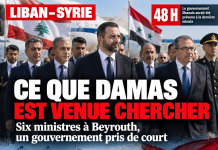
Syrian detainees, former regime officers and sensitive intelligence embarrass Beirut
Damascus simmers with Beirut's handling of two sensitive cases: the continued transfer of Syrian detainees and the alleged presence of former officers of the previous regime in Lebanon. Detailed information was reportedly transmitted to the Lebanese authorities, while economic cooperation remained voluntarily separate from these bilateral security disputes.

From Beirut to Paris: USJ students winners of the International Private Law Competition
The USJ Faculty of Law is proud of its students Tala Fawaz, Edouard Tannoury, Thea Daaboul and Nour el Khatib, who won in the final, ex-aequo with the team of the University of Rennes, the first prize of the private international law contest organized by the firm Linklaters Paris and the University Paris-Saclay. After a selection based [...]
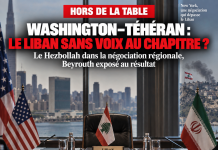
Washington-Téhéran: Lebanon in the dead corner of a negotiation that could yet re-design its...
Lebanon did not participate in the negotiations between Washington and Tehran, but their outcome could directly affect its balance. Hezbollah, regional fronts, sanctions, South Lebanon and state authority intersect in the discussions. Beirut is therefore trying to impose its own diplomatic priorities before a possible regional compromise sets the timetable for others.

Three Sehnaoui media reported to the court
More than twenty lawyers have seized the prosecution over Houna Loubnan, Here Beirut and This Is Beirut, requesting an investigation into alleged relations with Israeli actors. The report comes after the announcement of cooperation with i24NEWS and extends the judicial questions surrounding Antoun Sehnaoui's contacts.
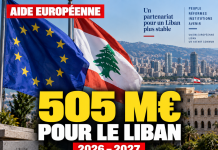
Lebanon: EU releases €505 million
The European Union released €505 million for Lebanon in 2026-2027 to support public services, reforms, security and recovery.
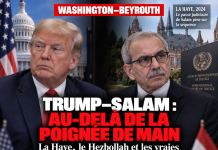
Trump-Salam: behind the missed handshake, the weight of The Hague and the real demands...
The unseen handshake between Donald Trump and Nawaf Salam in New York fueled speculation. But the real stakes go beyond the protocol: from Salam to The Hague, Hezbollah weapons, pressure on Beirut, US support for the army and negotiations with Israel now structure the relationship between Washington and Lebanon.
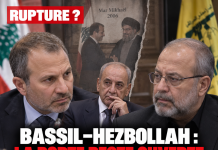
Bassil-Hezbollah: behind the displayed break, the channels remain open and Berri keeps a card...
Despite Gebran Bassil's public attacks on Hezbollah, contacts between former allies continue. No return to Mar Mikhaël's agreement is emerging, but a more pragmatic relationship is sought. Nabih Berri could help reduce tensions and preserve political channels between the two sides.

Ashrafieh’s murder: behind a targeted robbery, the thorough identification of a victim and the...
The murder of Salah al-Hani in Ashrafieh appears, according to available evidence, as a prepared robbery rather than an improvised burglary. The suspects reportedly studied their victim, his family situation and the alleged presence of EUR. But the origin of this financial information and several key stages of the investigation remain publicly unknown.



