

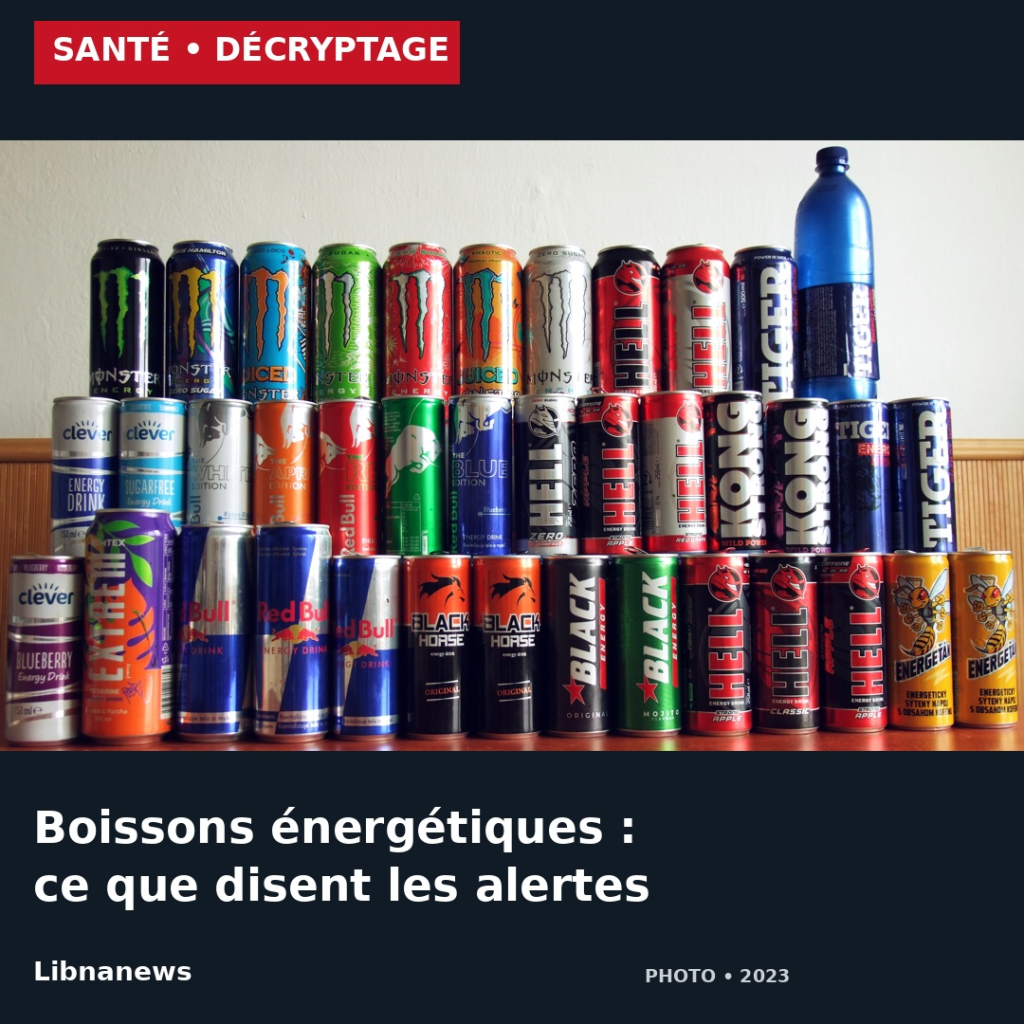
A preliminary study presented at the Scientific Sessions 2026 of the American Heart Association raises questions about energy drinks and the heart. Researchers find more reports of cardiac events with caffeine or stimulant products. However, their analysis does not allow for the calculation of individual risk or the demonstration of causality.
Energy drinks and heart: reports, not a trial
Announced on November 2, the work covers 28,345 FDA reports between 2017 and 2025. Of these, 854 refer to products containing caffeine or stimulants. Executive Summary CDM0323 was presented at the Congress held from 6 to 9 November in Chicago. Its results remain preliminary, without a comprehensive peer-reviewed article in this announcement.
The signal includes adults aged 18 to 34. The products were grouped by ingredients, not by brand. The analysis also includes stimulating supplements, so its results do not focus exclusively on cans of energy drinks.
Why an alert base does not measure risk
FDA’s food surveillance bases collect reported problems after the use of products. They do not follow a representative sample of all consumers. Their function is to identify signals that warrant investigations.
The FDA states that the information received does not in itself establish a causal relationship. A report may include several products and reactions. This coexistence does not automatically assign a symptom to a specific ingredient.
The quality of files also varies. Information may be missing on pre-existing diseases, medicines or other products consumed. Several registrants may report the same event; The agency is looking for these duplicates. It warns that these data do not provide an estimate of an incidence or risk.
Comparing the place of an event in two groups of reports is therefore not equivalent to comparing the probability of illness in two groups of consumers. Methodological prudence does not make the alert unnecessary. It determines the conclusions that can be drawn.
Total caffeine dose counts
For most adults, FDA cites 400 milligrams of caffeine per day as a quantity generally not associated with adverse effects. This benchmark is neither a consumption objective nor an individual guarantee. Sensitivity varies among individuals, their health status and some medications.
The total includes all cups: coffee, tea, energy drinks and other caffeine products. The concentrations and size of containers differ. Reading the composition and quantity of caffeine helps to avoid considering each consumption in isolation.
FDA also relays the paediatric recommendation not to give energy drinks to children and adolescents. In case of pregnancy, breastfeeding, illness or treatment, she advises to discuss the use of caffeine with a healthcare professional.
Mixing with alcohol does not reduce drinking
The American center NCCIH recalls that guarana also brings caffeine. A plant ingredient can therefore increase the total dose. He also points out that a caffeine drink can reduce the feeling of drunkenness without restoring the coordination or reflexes altered by alcohol.
Palpitations and sleep disorders are among the signs associated with excess caffeine. They deserve to be reported to a health professional. Thoracic pain, loss of consciousness or difficulty breathing requires urgent assessment, without waiting to attribute the cause to a drink.





Comments