



Syria: Lebanon Facing the American Bet · Global Voices
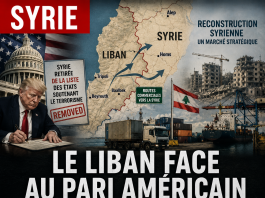
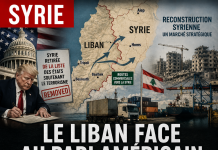
Donald Trump informed Congress of his intention to remove Syria from the US list of states supporting terrorism. For Lebanon, this decision can revive trade routes, port services, transit operations and some projects related to Syrian reconstruction. But the positive effect remains uncertain. Without customs reform, border control, banking restructuring and a clear economic strategy, Beirut faces competition, smuggling and the costs of normalisation that it does not control.

Tax residence: the Lebanese bet of Ghada Ayoub
Ghada Ayoub's proposed law aims at creating a special tax residence regime in Lebanon. The scheme would target non-resident individuals over the past five years, willing to transfer capital from abroad, invest at least $500,000 in productive sectors or deposit at least $1 million. The aim is to restore the country's economic attractiveness, while avoiding the image of a residence sold or a tax haven.
Beirut: Airport finds passengers
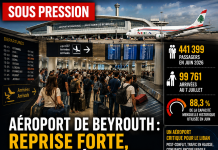
Beirut airport regains strong activity with the opening of the summer season. In June, 254,027 travellers arrived in Lebanon, compared with 187,372 departures. Early July confirms the acceleration, with 99,761 arrivals in seven days. This rebound supports the economy and the diaspora, but it intervenes in a fragile post-conflict context. It also places the real capacity of the airport at the centre of the public debate.

المر Whilst الاوروبي للننزاح في لبنان: المحاسب
في ويره المر Whilst it's not the case, it's not the case
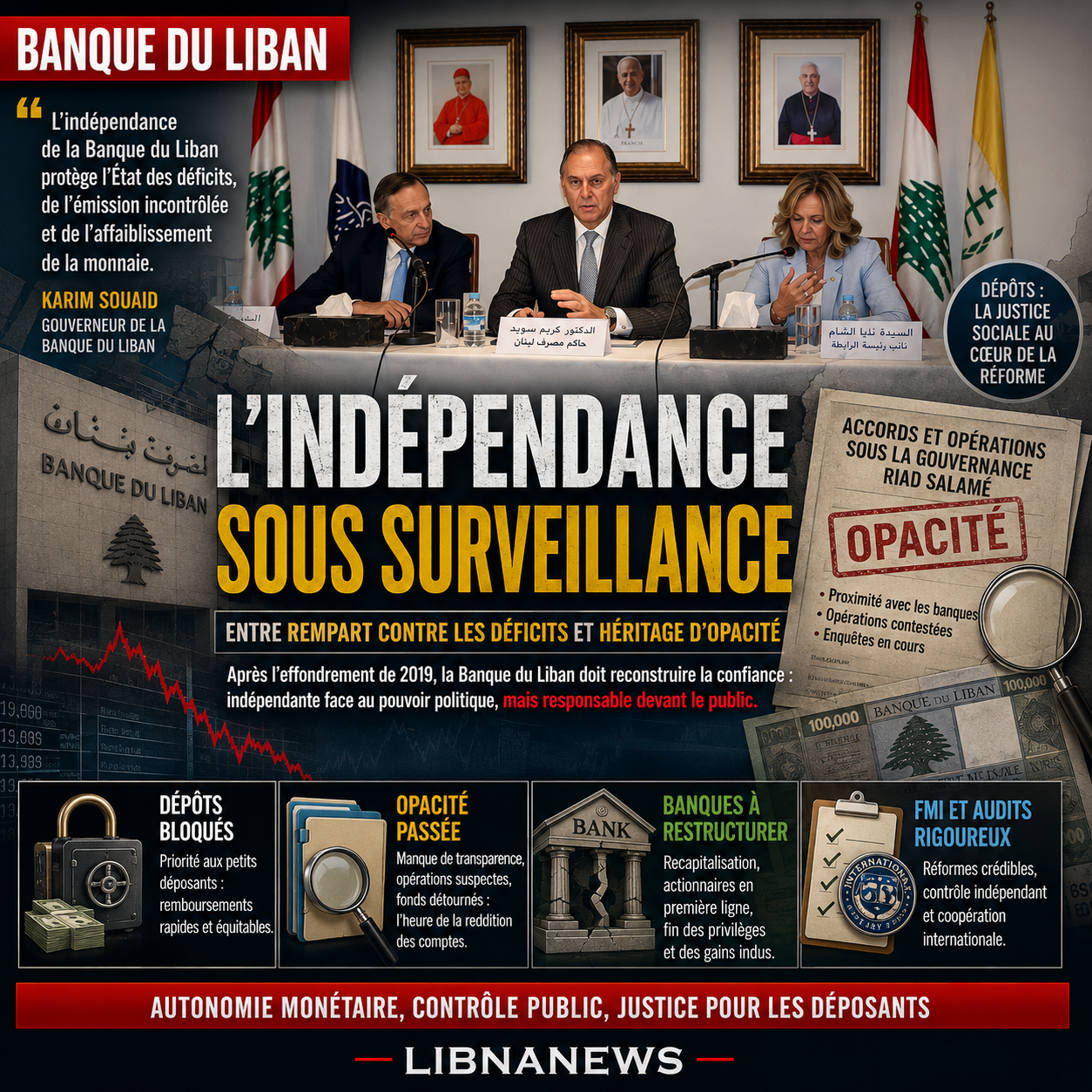
Bank of Lebanon: Independence under supervision
Karim Suaid defends the Bank of Lebanon's independence as a bulwark against government deficits and inflationary government financing. But this independence remains controversial after the financial collapse of 2019. Under the old governance, it also covered a strong opacity, proximity to commercial banks and still contested operations. Recovery will depend on a new balance between autonomy, transparency, public control and justice for applicants.
The government is falling back on the import tax: relief or admission of improvisation?
The Lebanese government suspended the import tax from 2% to 3%. Between consumer relief and criticism of tax improvisation, the debate remains open.
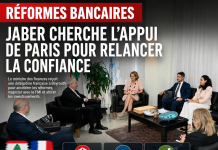
Banking reforms: Jaber focuses on France
Finance Minister Yassine Jaber received a French delegation in Beirut to discuss economic reforms, banking restructuring and regional connection projects. This meeting takes place in a Lebanon that is still fragile by the financial collapse of 2019, the loss of confidence in banks, the deterioration of public services and regional tensions. The issue goes beyond bilateral cooperation: restoring the minimum conditions for a return on investment.
War in Lebanon: The $1.38 billion don’t say everything
The estimate of $1.38 billion for building damage in South Lebanon does not contradict the broader estimates of $10 or $20 billion. It measures a limited perimeter: direct damage to buildings identified by satellite imagery, on a given date. The real cost of the war also includes infrastructure, economic losses, displacement, agricultural destruction and the lasting impact on an already weakened Lebanese economy.
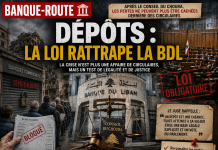
Deposits: Law catches up with Bank of Lebanon
The crisis of Lebanese bank deposits is entering a decisive phase. The decision of the Choura Council recalls that the executive cannot erase property rights by simple administrative strategy. Under Karim Suaid, the Bank of Lebanon must preserve monetary stability without becoming the appearance of commercial banks. The file requires a clear law, a hierarchy of losses, protection of depositors and credible banking restructuring.
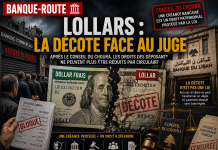
Lollars: the haircut that does not pass in front of the judge
The decision of the Choura Council on bank deposits opens a new phase in Lebanese litigation. It does not guarantee applicants full and immediate reimbursement. But it provides a legal argument against lollars and haircuts imposed without clear law. By recalling that a bank debt is a protected property right, the administrative judge weakens the management by circulars and refers Parliament to its responsibilities.
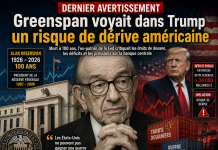
Alan Greenspan, who died at the age of 100, saw economic trempism as a...
Alan Greenspan, who died at the age of 100, left the image of a controversial architect of the American economy. Former Fed's boss, he had criticized economic trempism, denouncing tariffs, deficits, pressure on the central bank and the risk of lasting weakening US rules.
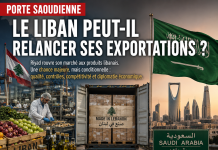
Can the Saudi market boost the Lebanese industry?
The reopening of the Saudi market to Lebanese products provides a major opportunity for Lebanese industry and agriculture. It can generate foreign exchange, revive certain factories and restore confidence with the Gulf. But this recovery will only be sustainable if the state guarantees strict controls, reliable traceability, quality standards and a real fight against trafficking. The Saudi market can help, but it will not replace a national industrial policy.
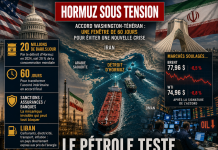
Hormuz: the world economy under stress
The energy component of the agreement with Iran goes beyond the nuclear issue. It concerns the Darmuz Strait, US sanctions, Iranian exports, maritime insurance and world oil prices. Markets have reacted to the prospect of a gradual reopening of the passage and a return of Iranian crude oil, but the drop in the barrel remains fragile. For vulnerable countries such as Lebanon, the issue is measured in fuel, electricity and inflation.
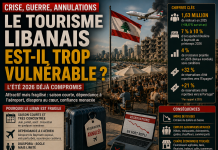
Is Lebanese tourism too vulnerable?
Lebanese tourism showed a strong rebound capacity, with more than 1.63 million visitors in 2025. But the war of 2026 revealed a structural vulnerability: short season, airport dependence, late bookings, security warnings and high exposure to regional shocks. The diaspora cushions crises, without replacing foreign visitors. To survive sustainably, the sector must extend its seasons, develop domestic tourism, secure events and improve its crisis communication.



