

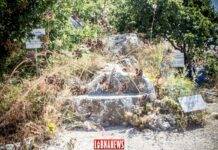
Nahr al-Kalb: the stone dog watching over the army passage
In Nahr al-Kalb, the empires engraved their passage in the rock. The dog left a question open. A statue whose tradition has been talking about for centuries, which witnesses say they have seen in the sea, and of which no one seems to be able to say with certainty where it is today. This is perhaps, in the end, the real mystery of the site: not only would a dog have barked to warn the inhabitants of the arrival of the invaders, but its statue itself seems to have disappeared in the fog of Lebanese heritage, disappeared because it is too noisy today for our politicians to face the powers that are ingesting in our daily lives.
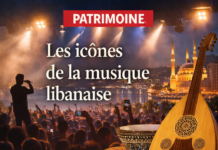
The icons of Lebanese music that conquered the world
From Fairuz to Mika, the icons of Lebanese music carried the sounds of the Levant on the scenes of the world. Between folklore, pop and alternative rock, these artists combine Eastern traditions and contemporary influences, conveying messages of love, identity and resistance. A panorama of the pioneers and the new generation.

18 June: Lebanon, a discreet echo of de Gaulle
The appeal of 18 June was probably not heard directly in Lebanon, then under French mandate and under the control of the Levant authorities. However, French people from Lebanon and Lebanese have joined free France. The movement was limited in 1940, then more visible after the campaign of Syria and Lebanon in 1941. It combines military dissent, intellectual commitment, fidelity to a certain idea of France and hope for Lebanese independence.
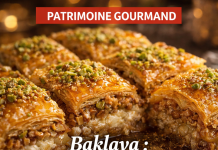
The Baklava with nuts and pistachios: the Ottoman invention that conquered the Levant in...
Baklava with nuts and pistachios, made of layers of buttered phyllo paste and dried fruits, coated with perfumed syrup, imposes on the Levant as soon as the Ottoman expansion. Popular in imperial cuisines, it becomes a festive and sharing dessert, declined from Beirut to Damascus.
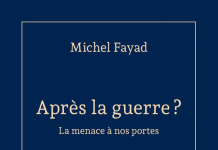
Literary criticism of Michel Fayad’s essay: After the war? The Threat at Our Doors...
In this new essay published by Fayard in the Free Thought Collection led by Sonia Mabrouk, Michel Fayad gives a striking and courageous diagnosis of the strategic changes in the Middle East and their direct implications for France. Born in Lebanon, an experienced Arab-Muslim analyst, the author here signs his most ambitious work [...]
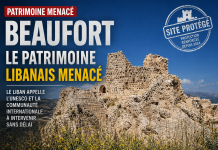
Beaufort: Lebanon calls on Unesco to act
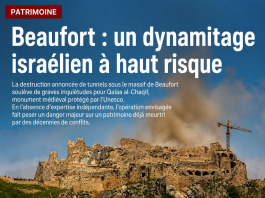
The Lebanese Ministry of Culture, by the Directorate General of Antiquities, calls for immediate intervention by the international community to protect the Beaufort Castle, or Qalaat al-Shaqif. The call responds to videos and maps broadcast by Israeli media, claiming that the site or its environment would house military infrastructure. Beirut rejects these accusations and insists on the heritage status of the monument, its public management since 2000 and its enhanced protection.

Tyre under strike, heritage threatened
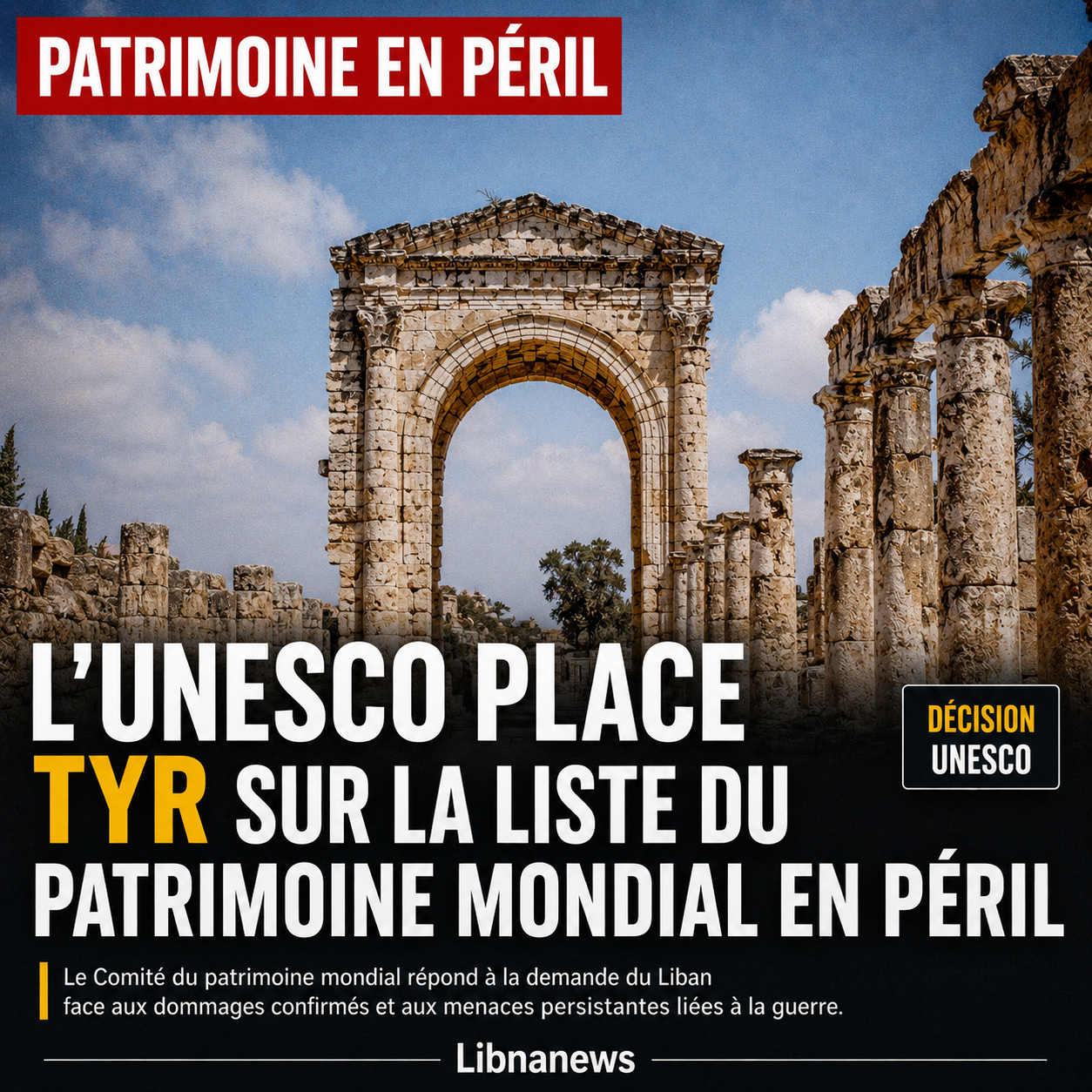
Israeli strikes were reported in the perimeter of the historic site of Tyre in southern Lebanon, confirming the danger of a UNESCO World Heritage Site. No complete technical assessment still establishes the extent of direct damage to the remains, but the bombings around the classified city reinforce the warnings of the Lebanese Ministry of Culture and the inhabitants, who demand the protection of this ancient city.
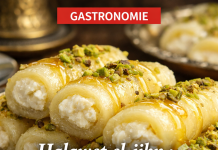
Halawet el-jibn: Syrian invention that conquered the Levant in the 19th century
Born in Hama in the 1870s, the halawet el-jibn are sweet rolls with cheese and semolina, stuffed with diashta and watered with fragrant syrup. From the Salloura family to Tripoli, this dessert illustrates the artisanal ingenuity and gourmet identity of the Levant.
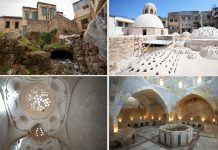
Tripoli restores its heritage
Tripoli celebrated the completion of several major heritage rehabilitation projects funded by ALIPH. The restoration of Hammam Al Nouri, the consolidation of the citadel Saint-Gilles and the stabilization of several old houses reflect a common ambition: to protect the heritage, train young people, support local employment and strengthen social cohesion. These projects recall the central role of heritage in the urban, cultural and economic future of Lebanon's second city.

I will avenge myself of life: Georges al Maalouf’s story of resilience
With I will avenge myself of life, Georges Al Maalouf signs a story centered on Alexander, a young man marked by the brutal loss of his father and the wounds of childhood. The book follows its passage from anger to reconstruction, between maternal support, psychological support, emerging love and the quest for meaning. The book examines how deep pain can become a force for creation, dignity and recovery.
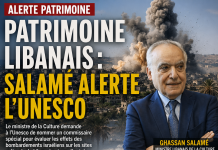
Lebanese Heritage: Salama alerts Unesco to the threats of Israeli strikes
Lebanese Minister of Culture Ghassan Salamé asked Unesco to appoint a special commissioner to assess the damage to Lebanon's archaeological sites caused by Israeli bombings. Tyr, a world heritage site, Beaufort Castle and Chamaa's multi-religious site are among the places mentioned. The Ministry said that it could not access several sites because of the fighting, which made an international mission urgent as soon as a truce was obtained.
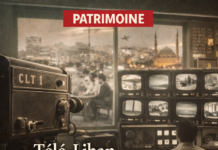
The birth of Télé-Lebanon, a television pioneer in the Middle East
Founded in the late 1950s, Télé-Lebanon established itself as a pioneer of television in the Middle East. Born of Beirut's dynamism and then marked by the 1977 civil war and merger, the chain shaped a common culture. Its archives, now recognized by UNESCO, make it a major audiovisual heritage.
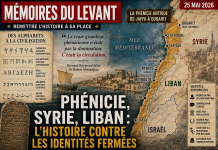
Know Thy Enemy — Phoenicia, Syria, Levant
Putting history in its place The Levant is probably one of the few places in the world where history never died. It continues to live in languages, kitchens, religions, family memories, ports, alphabets and even in modern identity rivalries. Ancient Phoenicia was a coastal civilization extending approximately [...]
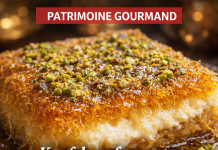
The cheese knafeh: the Palestinian invention that has seduced the Levant since the 10th...
The knafeh cheese, emblematic dessert of the Levant, combines crunchy kataifi paste, heart of sweet cheese and fragrant attar syrup. Anchored in medieval history and popularized especially in Nablus, this specialty illustrates the culinary exchanges of the Middle East and remains a family sharing ritual.



