United States-Israel: Independence regained?
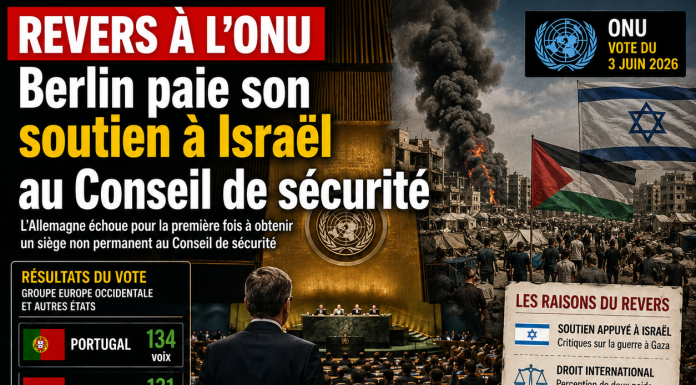
As the 250th anniversary of their independence approaches, the United States appears to re-evaluate its relationship with Israel. The Islamabad agreements, concluded with Iran despite Israeli reservations, revealed a divergence between Washington and Benjamin Netanyahu. The influence of AIPAC, annual military aid, espionage affairs, the shift in American opinion and the "America First" push are reshaping the contours of an alliance that has long been presented as intangible.
The war that did not change Iran, but could change the Middle East
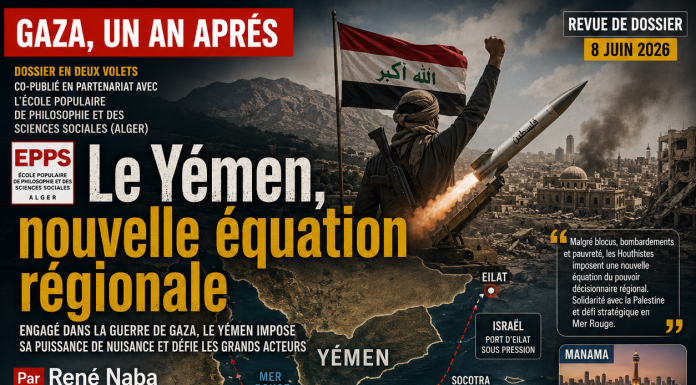
The war between the United States, Israel and Iran did not transform Tehran, but could make lasting changes in the Middle East. Bernard Raymond Jabre analyses the transition from a world of empires to a world of networks, where sovereignty rests less on domination than on strategic diversification.
When Versailles tells American history
Versailles is not the exact place where the treaty recognizing the independence of the United States was signed. It was concluded in Paris in 1783. Yet the castle remains a major symbol of American history. He embodied the French alliance, the European treaties that accompanied peace, Wilson's international ambition in 1919, and the patronage of the Rockefellers, which helped save the estate in the 20th century.
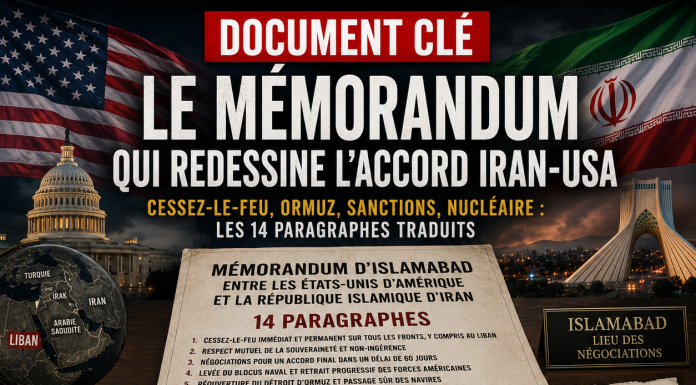
Full translation of the Islamabad memorandum
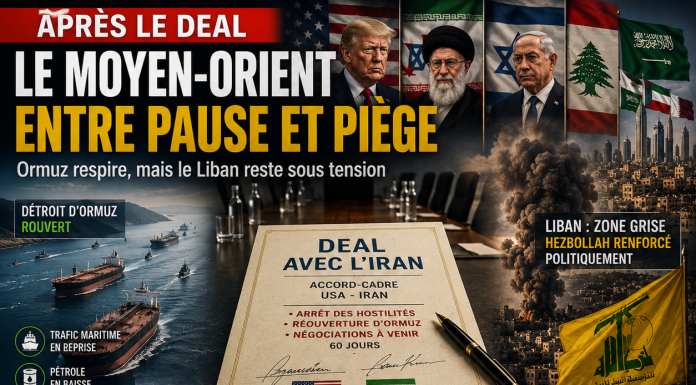
The Islamabad memorandum between the United States and Iran provides for a permanent ceasefire, including in Lebanon, the gradual lifting of sanctions, the reopening of Ormuz, a $300 billion fund and a nuclear mechanism under international supervision, before validation by the UN Security Council.
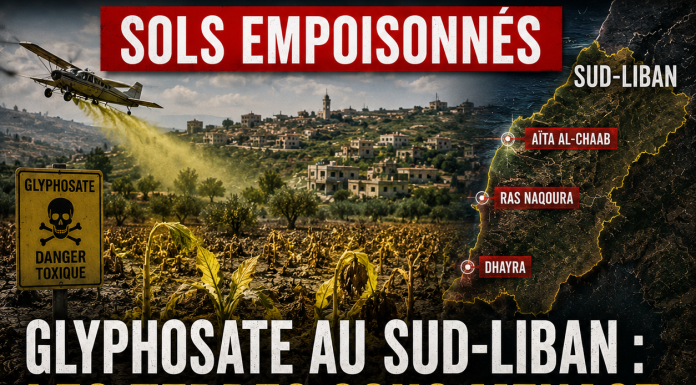
Glyphosate in South Lebanon: Soils under Threat
Lebanon accuses Israel of spraying glyphosate with a high concentration on several border villages in southern Lebanon. Analyses cited by Beirut suggest levels up to 20-30 times higher than usual concentrations, with a reported peak of 22,750 micrograms per gram of soil. This contamination poses risks to crops, soils, water, pollinators and the return of displaced people.
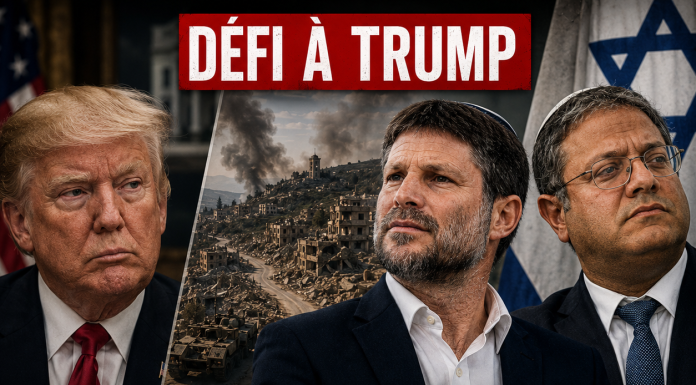
Smotrich and Ben Gvir challenge Trump to occupy South Lebanon
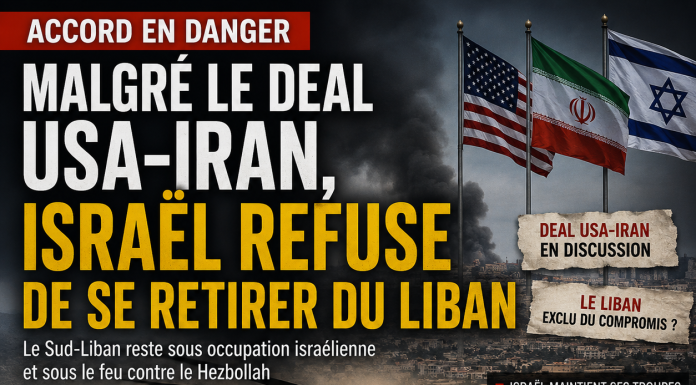
Bezalel Smotrich claims that Israel will not withdraw from southern Lebanon after the expected signing of the US-Iran agreement. Itamar Ben Gvir defends the continuation of Israeli control and destruction, even against Donald Trump's opinion. For Lebanon, these statements place a major concern: can American diplomacy produce a real de-escalation if Israeli ministers assume a lasting occupation and prevent the return of the inhabitants?
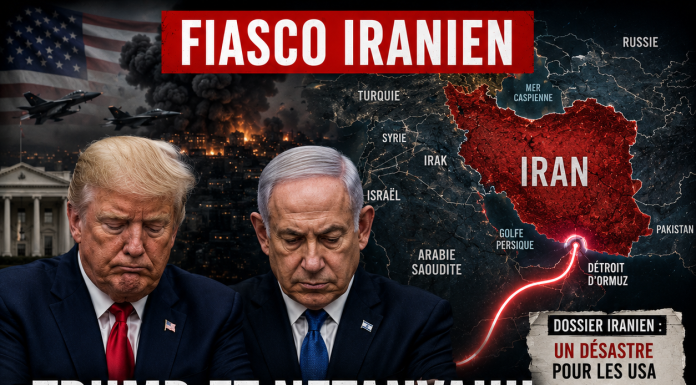
Lesson of a lost war for the US or how Iran’s case has become...
The Montaigne Institute provides a serious analysis of the war against Iran. The operation was to weaken the Islamic Republic, reduce its nuclear programme and restore American deterrence. It would have had the opposite effect: a more central Iran, a more distrustful Gulf, a more tense American-Israeli relationship and a marginalised Europe. The Iranian file thus becomes a lesson on the limits of raw power.
The crime of meaning
I went walking alone in the night. Not to think. Not to find an answer. Not even looking for a little peace. I went walking to check out something much simpler. I wanted to see if the stars still existed. I wanted to see if the moon was still there. This may seem [...]
Will addiction lead to nothing?
A human process indicates the momentum, inspiration and, gradually, the management of moments and stages. The interactive dynamic, at various levels, is truly personalized when it is initiated by the intuitive-logical potential, from childhood to the precious seniors at the end of the journey. It is only a subjective, spontaneous and exclaimed impulse. It puts in [...]
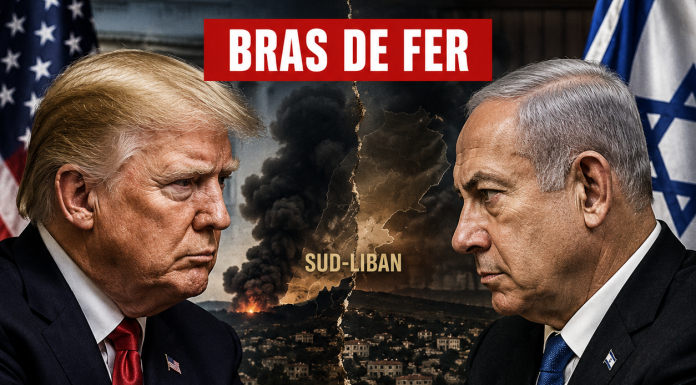
Is Israel looking for escalation in southern Lebanon?
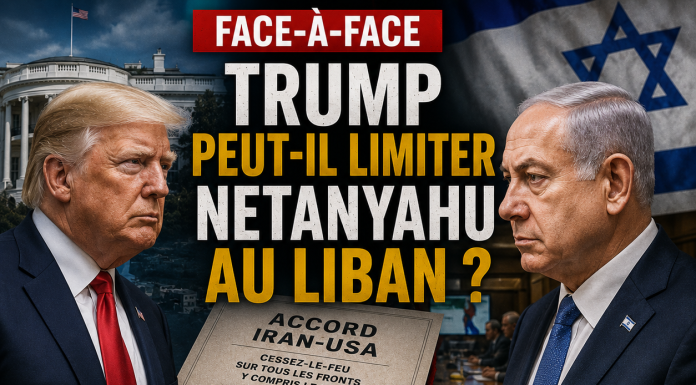
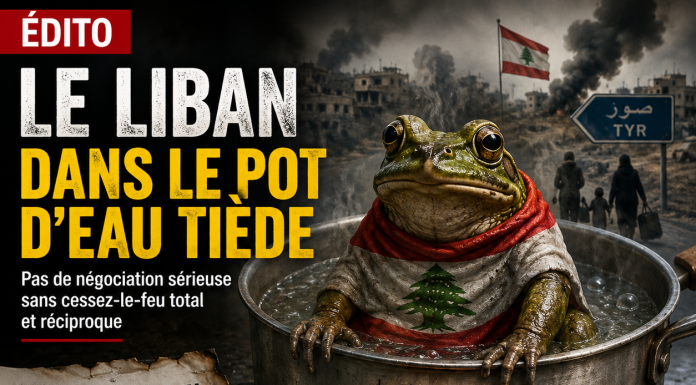
From Lebanon, the Israeli escalation in South Lebanon directly questions the strength of the agreement in preparation between the United States and Iran. Strikes, incursions and the continuation of Israeli forces are taking place as Washington seeks to conclude quickly with Tehran. Benjamin Netanyahu, subjected to electoral pressure and an Israeli opinion in favour of a hard line, risks developing his privileged relationship with Donald Trump.
The relationship with Riyadh, key to an Arab return from Lebanon
The resumption of exports to Saudi Arabia opens a probationary period for Lebanon. Riyadh is not just reopening a market: it tests Beirut's ability to control its borders, fight the Captagon, stabilize its institutions and restore credible sovereignty. The relationship with Riyadh can become the key to an Arab return from Lebanon, but only if the state transforms this economic signal into lasting political evidence.
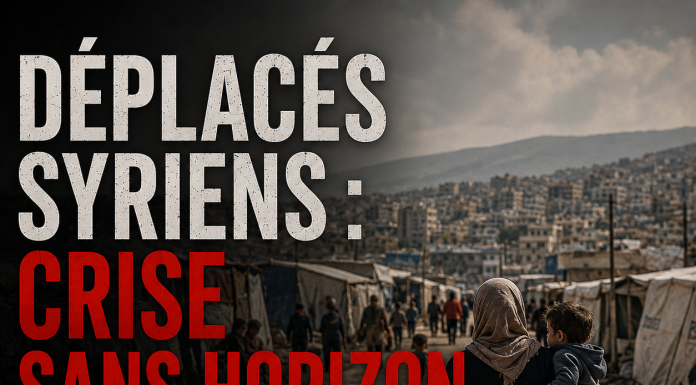
Displaced Syrians: crisis without horizon
The Syrian displaced in Lebanon are at the heart of a crisis enlarged by the war of 2026. In addition to the old tensions over municipalities, schools, care and employment, the massive displacement of Lebanese families from the South is now added. The return to Syria is progressing, but it remains limited by security, documents, housing and the economy. Without a clear bilateral framework between Beirut and Damascus, the crisis may continue.
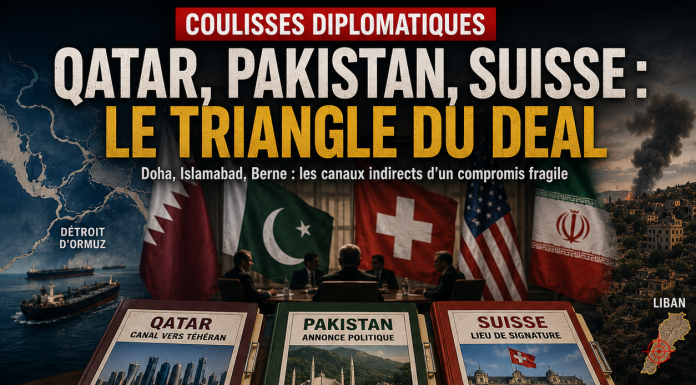
Qatar, Pakistan, Switzerland: behind the scenes of the regional agreement
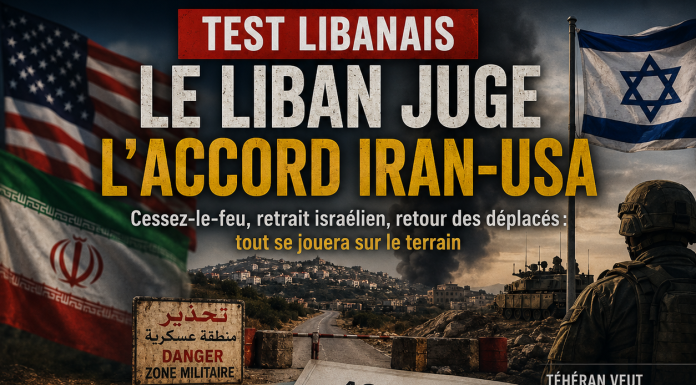
The United States-Iran regional agreement is the product of multi-channel diplomacy. Qatar has reopened a door in Tehran, Pakistan has carried the political announcement and Switzerland must offer the signature framework. This indirect method helped to circumvent the lack of trust between Washington and Tehran, reopen Ormuz and push back the most difficult cases. However, Lebanon remains the potential point of rupture.
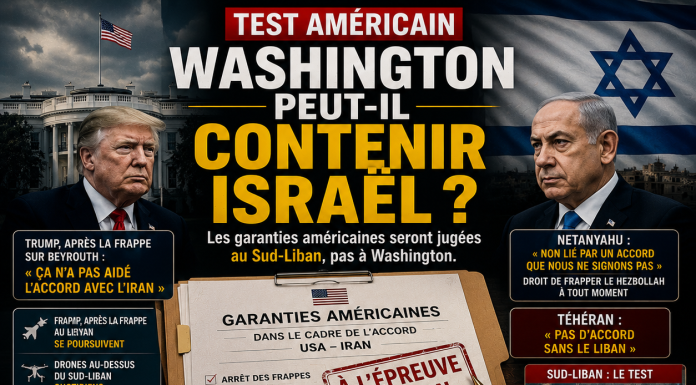
Are the American guarantees worth facing Israel?
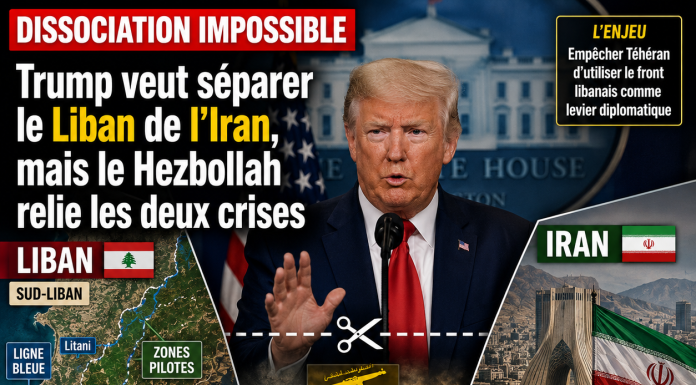
The American guarantees promised in the agreement between Washington and Tehran will be judged in Lebanon on their ability to contain Israel. Tehran claims that the Lebanese front must be included in the regional ceasefire, while Benjamin Netanyahu refuses to lose his freedom of action against Hezbollah. For Beirut, American credibility will depend on concrete actions: stopping strikes, Israeli withdrawal, the role of the Finul and the safe return of the people of the South.