





Golden visa to Lebanon: $500,000 to enter the purgatory waiting room
Lebanon wants to sell a golden visa for $500,000 in a country where banks hold money, the state improvises and the South is still burning. The idea promises administrative prestige, but above all looks like a VIP invitation to test the strength of a house already cracked from everywhere.

Khaled al-Aydi case: the alleged spy of the Exfilted Mossad of Lebanon
Khaled al-Aydi, presented by Lebanese officials as an alleged Mossad agent, is not only a fugitive. Several media outlets describe him as an operational actor of a network accused of planning attacks and assassinations in Lebanon. His alleged passage through the Ukrainian embassy, and his alleged exfiltration to Cyprus according to Al-Mahatta, question the Lebanese State's ability to protect its judicial proceedings.

Hamas: Absence of talks
Hamas appears to be the great absence of discussions between Iran, the United States and actors in regional de-escalation. This absence questions the nature of the attack of 7 October 2023.
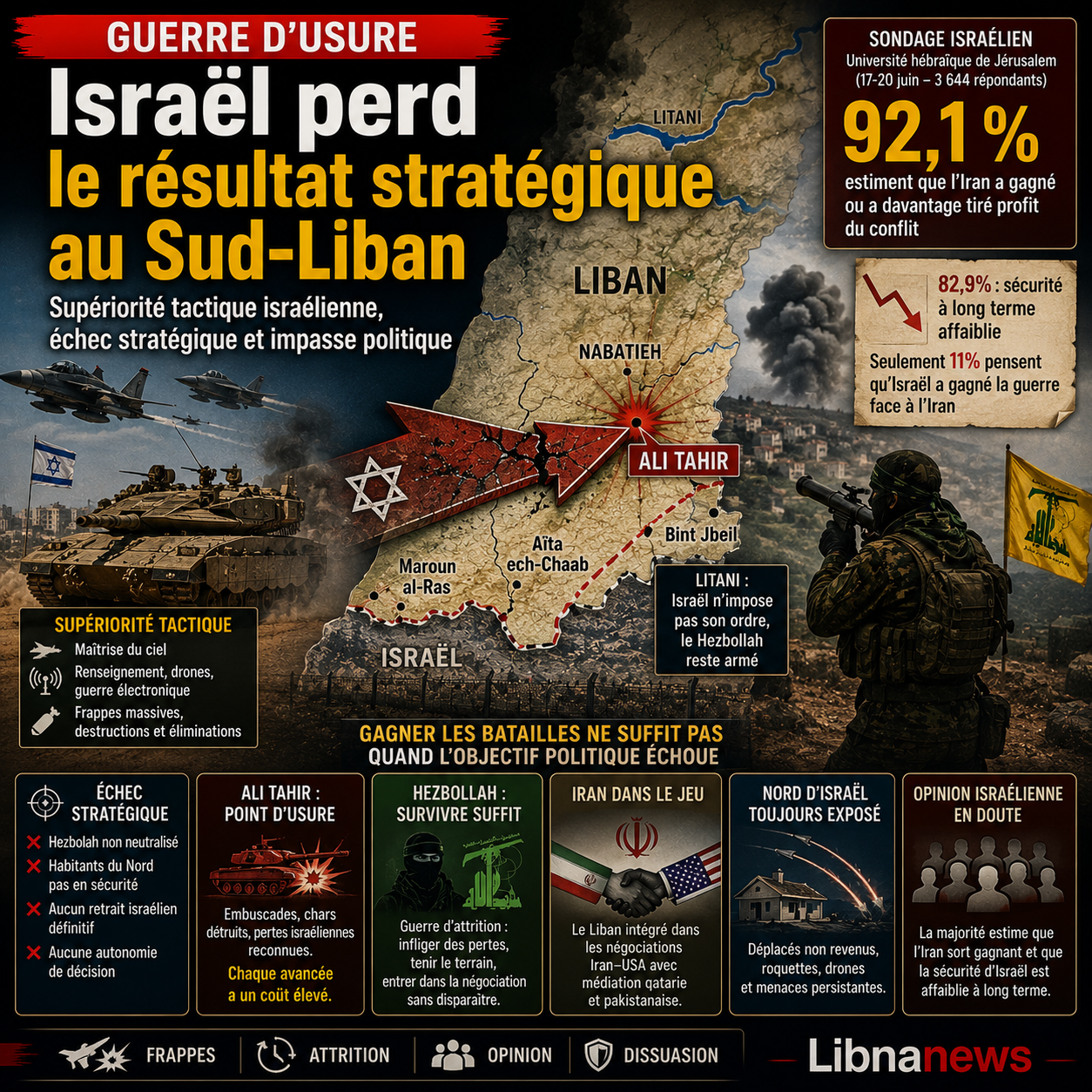
South Lebanon: Israel Facing its Verdun Politics · Global Voices
The war in southern Lebanon is not only measured by the number of strikes, destruction or technological superiority of Israel. Israel can win tactical battles while failing strategically. Hezbollah, despite its losses, chose attrition: to survive, maintain a human cost and prevent Israel from imposing a lasting order. The battle of Ali Tahir and Israeli polls on Iran show that the story of an Israeli victory is deeply contested.

Lebanese file: Geagea defies Vance
Samir Geagea questions J.D. Vance at a time when negotiations between Iran and the United States include a Lebanon-related deconflict cell. The leader of the Lebanese Forces asked Washington to separate the Lebanese file from regional bargaining, to deal exclusively with the State and to support the disarmament of Hezbollah. His message aims to prevent de-escalation from devoting an increased Iranian influence to Lebanese security.

Alan Greenspan, who died at the age of 100, saw economic trempism as a...
Alan Greenspan, who died at the age of 100, left the image of a controversial architect of the American economy. Former Fed's boss, he had criticized economic trempism, denouncing tariffs, deficits, pressure on the central bank and the risk of lasting weakening US rules.
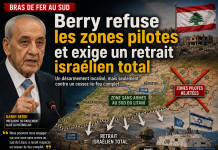
South Lebanon: Berri refuses pilot areas and demands full Israeli withdrawal
Nabih Berri claims to be able to commit, on behalf of Hezbollah, to an area without weapons south of the Litani if Israel complies with a complete ceasefire in Lebanon. However, he rejected the "pilot zones", which he considered too slow, and proposed a gradual Israeli withdrawal by districts. This position transforms the local disarmament of Hezbollah into a conditional exchange, with the Lebanese army, UNIFIL and Washington at the centre of the device to be built.

Lebanese file: the price of the Beyrouthin authorities’ mistakes
The Lebanese case is no longer only dealt with in the Washington Canal between Lebanon, Israel and the United States. It now depends on the Iran-USA negotiations, where the ceasefire in South Lebanon has become a regional clause. This evolution penalizes several Lebanese errors: withdrawal of the army from sensitive positions, breaking the official channel with Iran and processing the disarmament of Hezbollah as a pre-emptive promise rather than as a negotiating map.
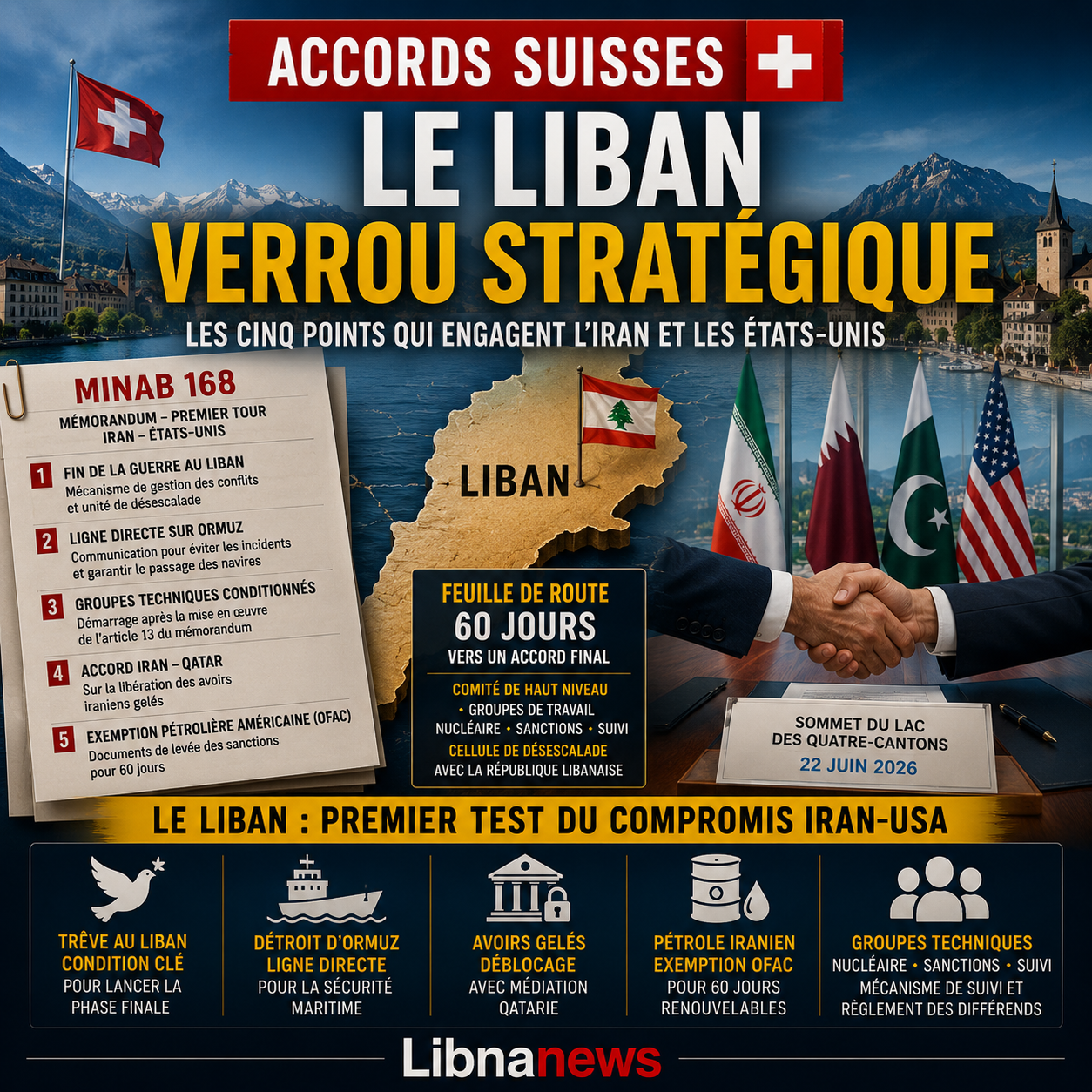
Swiss agreements: Lebanon locks strategic
The Swiss agreements resulting from the first round of talks between Iran and the United States established Lebanon as the first test of compromise. The Iranian document MINAB 168 highlights five points: Lebanon's conflict management mechanism, Ormuz direct line, Article 13 technical groups, Iran-Qatar agreement on frozen assets and US oil exemption. The actual scope will depend on the application texts and the field.
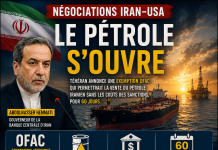
Iran-USA negotiations: oil opens
The governor of the Iranian Central Bank states that OFAC must publish an exemption allowing the sale of Iranian oil without the costs of sanctions. This announcement, resulting from talks between Iran and the United States in Switzerland, can reduce discounts, bank risks and transportation costs. But its effect will depend on the actual publication of the American text, its duration and its interpretation by international banks.

South Lebanon: Israel marginalized in agreements
South Lebanon became the first concrete test of talks between Iran and the United States. The friction prevention cell announced by Qatari and Pakistani mediators includes Lebanon, but does not mention Israel as a stakeholder. This absence fueled a strong reaction in the Hebrew media and among several Israeli officials, while Gideon Sa的ar maintained the refusal to withdraw from the so-called security zone.

Civil defence in Lebanon: 13 remains found
The Lebanese Civil Defence announced that it had removed thirteen remains from the rubble in the Nabatiyah and Marjayoun areas. Its teams have also worked to open up main and secondary roads, notably in Debbine and Blat, to facilitate the movement and access of relief workers. The operation underlines the humanitarian weight of the bombings in southern Lebanon, where the security of the ruins remains a prerequisite for the return of the inhabitants.
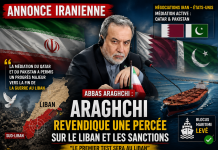
Iran-USA: Lebanon, first test according to Abbas Araghchi
Abbas Araghchi states that the mediation of Qatar and Pakistan has led to significant progress in the negotiations between Iran and the United States. The Iranian Minister mentioned the suspension of sanctions on oil and petrochemicals, the lifting of the maritime blockade and the partial release of frozen assets. But the decisive point remains Lebanon, presented by Tehran as the first real test of regional de-escalation.

Stop fire in Lebanon: Aoun activates its relays
The appeal received by Joseph Aoun from J.D. Vance, Jared Kushner and the Qatari Prime Minister marks another step in the attempt to stabilize the ceasefire in Lebanon. Beirut seeks to transform a diplomatic announcement into a verifiable mechanism, capable of curbing Israeli escalation, protecting the return of the people of the South and placing the Lebanese State at the centre of a crisis still dominated by regional power relations and by negotiations between Washington and Tehran.