



Beirut-Tehran: How far can the crisis go?
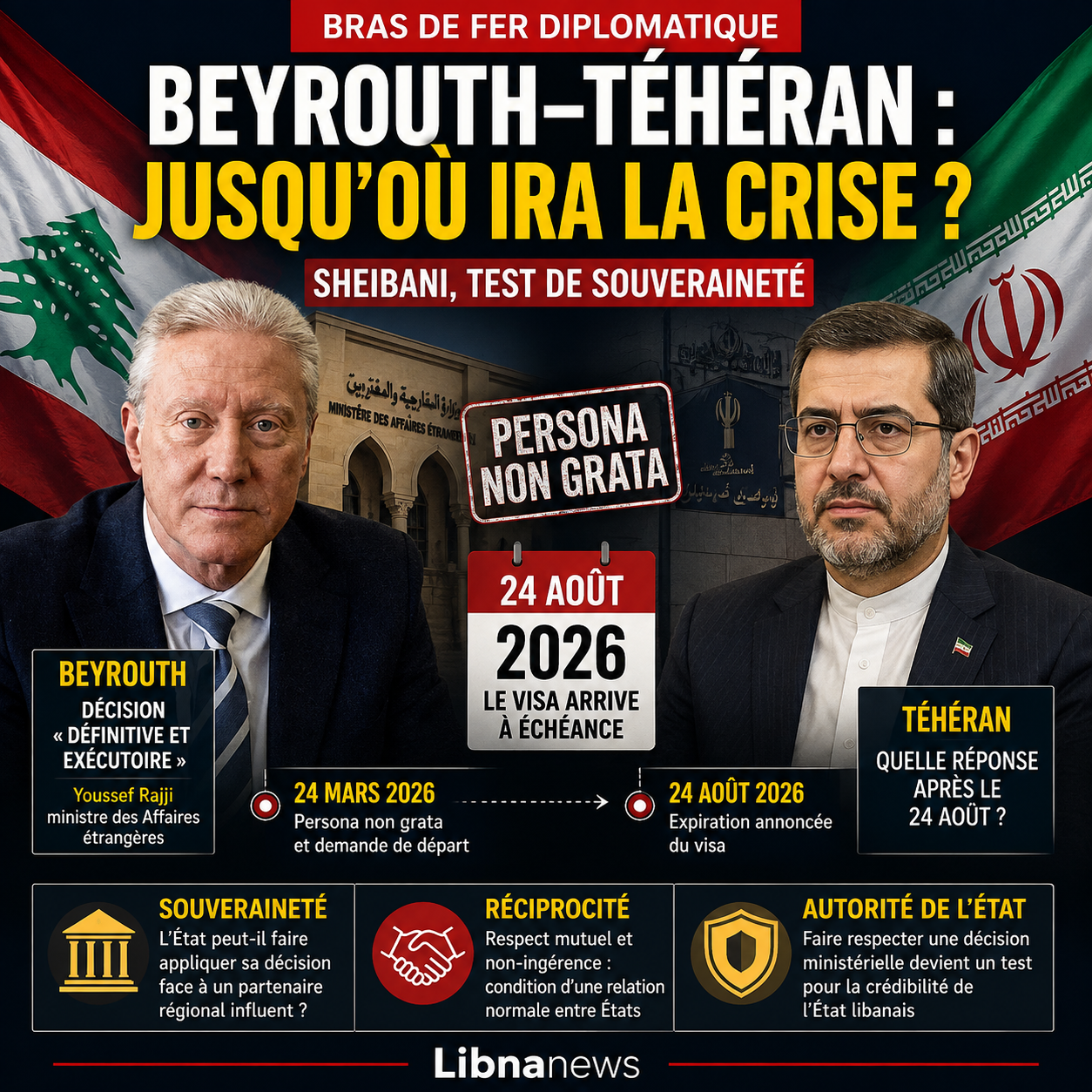
The presence in Lebanon of Mohammad Reza Rauf Sheibani, an Iranian diplomat declared persona non grata by Beirut, places Youssef Rajji in front of a major institutional test. As his visa expires on 24 August, the Minister of Foreign Affairs states that its continuation would be contrary to a sovereign and final decision. While not at this stage a break with Iran, the case now measures the ability of the Lebanese State to enforce its decisions against an influential regional partner.
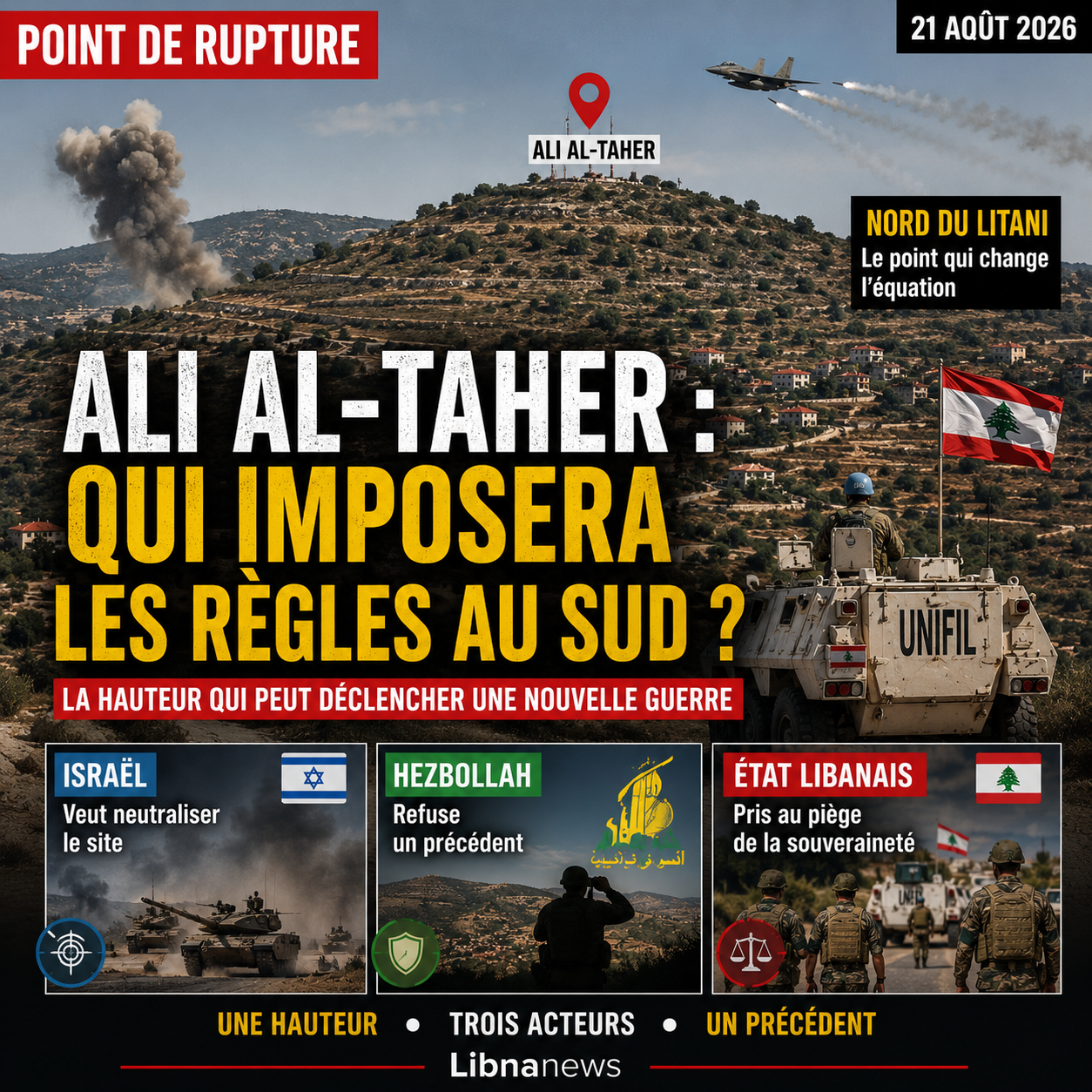
Ali al-Taher, the height that threatens the South
Ali al-Taher is no longer just a disputed height east of Nabatiyah. The Israeli strikes, the Hezbollah's refusal of an imposed evacuation and the assumption of a Lebanese army deployment turned the area into a test for the future of the South Lebanon. Behind the military battle is a question of sovereignty: can Israel obtain under pressure a change in the Lebanese internal arrangements, and how far could this precedent then be extended?
Press review: South Lebanon at the centre of tensions between Ali al-Taher, the future...
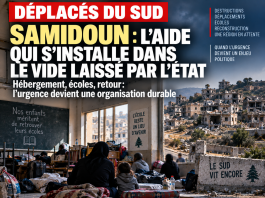
The Lebanese South is concentrating tensions around Ali al-Taher, the Israeli withdrawal and the future of UNIFIL. Joseph Aoun also intensified his efforts with the Vatican and Italy, while the confrontation between Washington and Tehran increased the risk of regional escalation for Lebanon in the south.
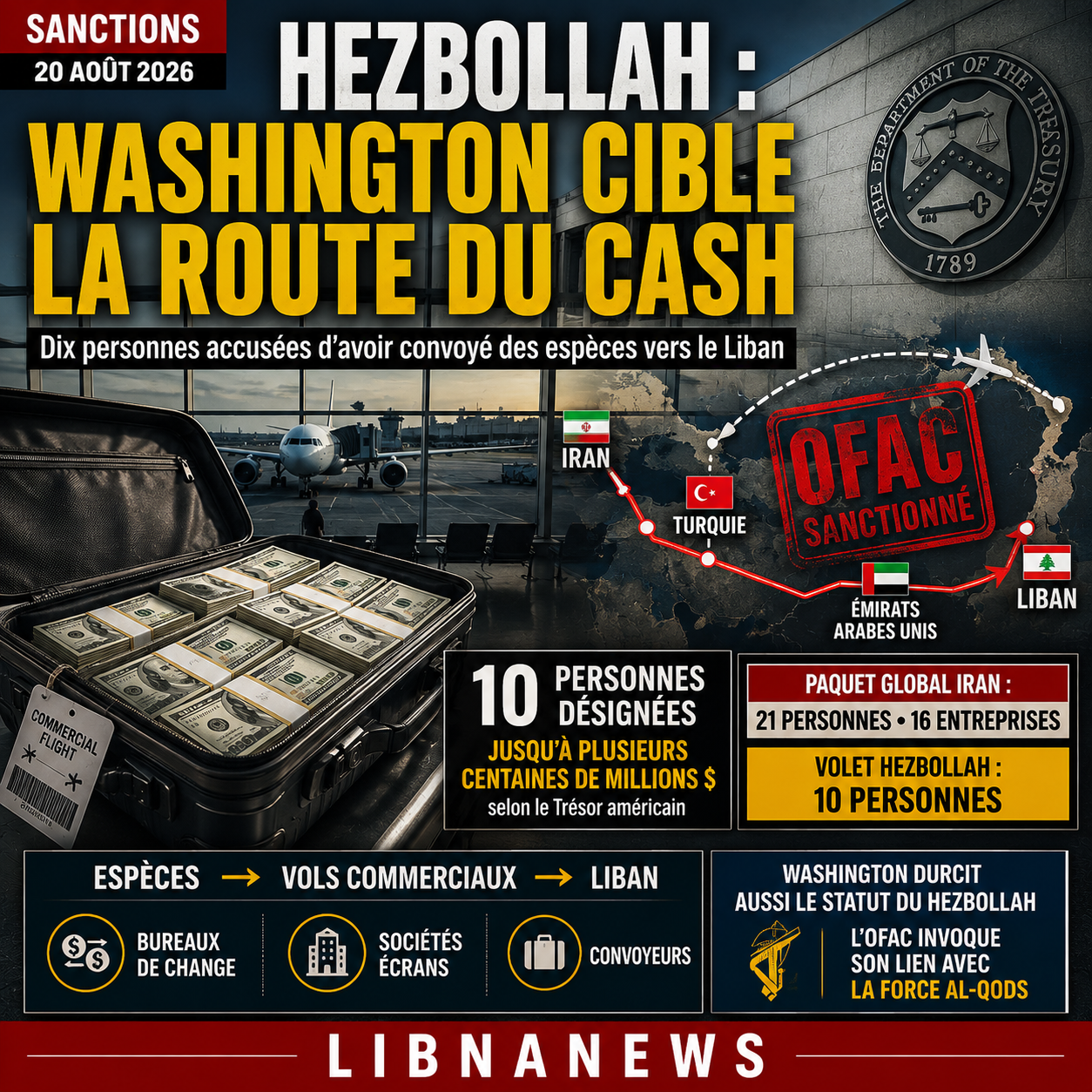
Washington targets Hezbollah’s financial network
The US Treasury announced a new offensive against financial networks linked to Iran and Hezbollah. The specific section on the Lebanese movement identifies ten people accused of smuggling cash on commercial flights between Turkey, the United Arab Emirates, Iran and Lebanon. Washington designates Yunus Alper Yilmaz as the organizer of the network and claims that it could move up to several hundred million dollars. At the same time, OFAC re-designs Hezbollah as a link with the Iranian Al-Quds Force.
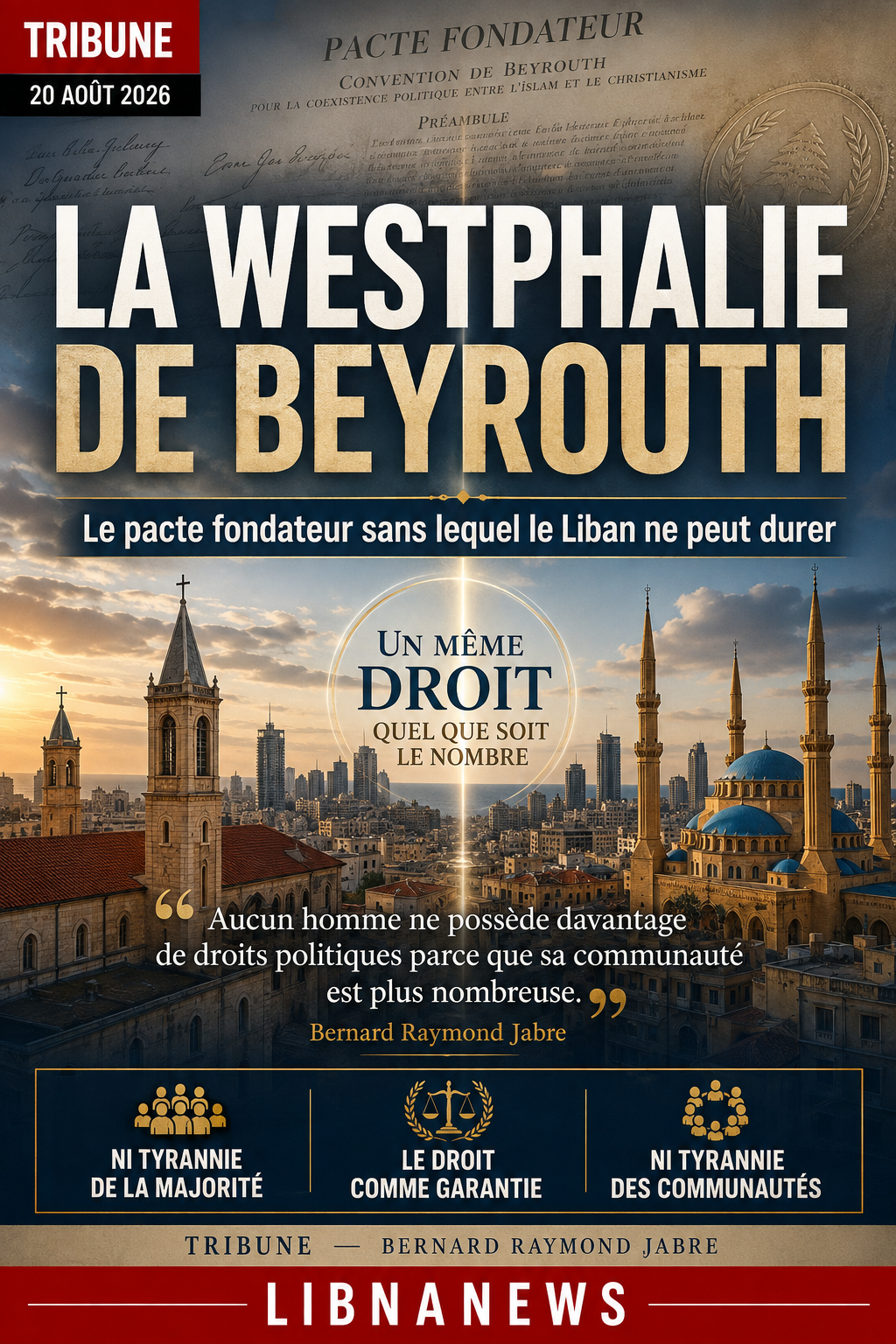
BEYROUTH WESTPHALIA
Can Lebanon overcome confessionalism without first guaranteeing its communities against demographic fear? Bernard Raymond Jabre proposes a "Westphalia of Beirut": an Islam-Christian pact that enshrines political equality regardless of number, simultaneously protecting individuals and minorities, and transforming Lebanese coexistence into a universal principle of law.
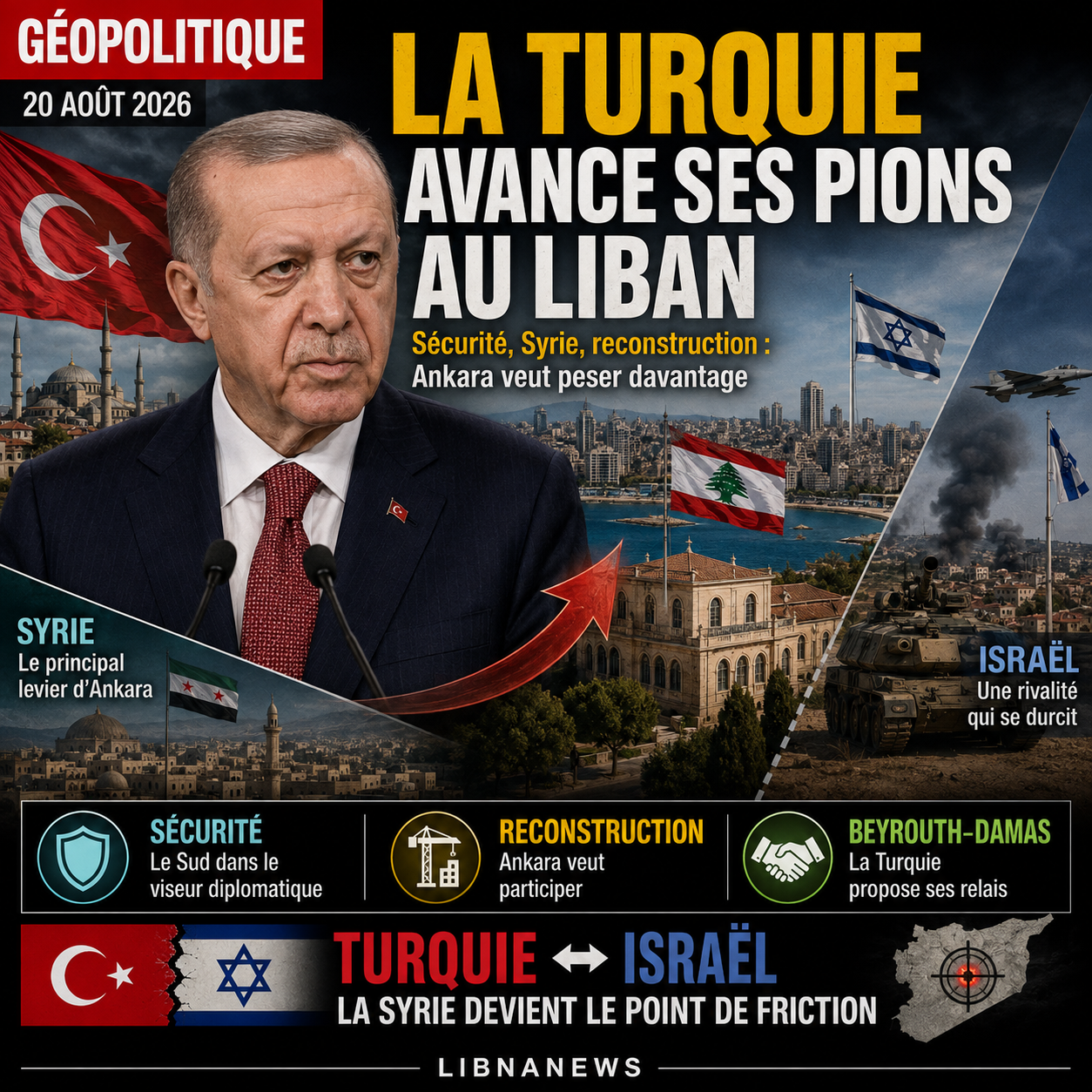
Turkey wants a place in the Lebanese file
Turkey is intensifying its contacts with Lebanon after successive visits by Nawaf Salam and Joseph Aoun to Recep Tayyip Erdogan. Ankara is now showing its interest in the security of the South, the reconstruction and the improvement of relations between Beirut and Damascus. This diplomatic offensive comes as its rivalry with Israel hardens in Syria. Several Israeli analyses now see Turkey as a long-term strategic competitor, even though Ankara claims to want to avoid direct military confrontation.
Nabih Berri returns to the heart of the game with Israel
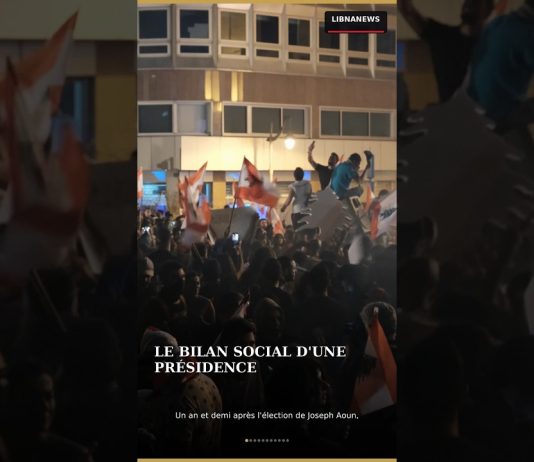
Since the election of Joseph Aoun, Nabih Berri had lost part of his traditional centrality in the Israeli and Washington cases. The presidency and government of Nawaf Salam had resumed the institutional conduct of the negotiations. The issue of Hezbollah weapons is now changing the equation. By proposing an Israeli withdrawal, followed by the immediate deployment of the army and its arms monopoly south of the Litani River, Berri regained a difficult function to replace. His return, however, faced Israeli refusal to withdraw before the disarmament of Hizbullah, a few weeks before the 27 October elections.
South Lebanon: Can the Berri formula unlock withdrawal?
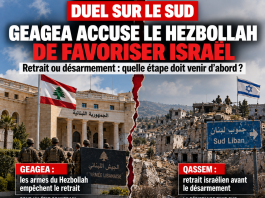
Nabih Berri proposes a precise sequence to try to unblock South Lebanon: stop Israeli operations, withdraw to the international border, then immediately deploy the Lebanese army, which would become the only armed force south of the Litani. This formula places Donald Trump and Washington at the center of the equation. However, it is facing the refusal of several Israeli ministers to consider a withdrawal before the disarmament of Hezbollah, while the 27 October elections promote the security auction in Israel.

Hind Rajab: Israel recognizes fire and opens investigation
The Israeli army acknowledges for the first time that its soldiers opened fire on the car in which Hind Rajab, a five-year-old Palestinian woman killed in Gaza in January 2024, was found. This new version contradicts Israel's earlier conclusions that no unit was sufficiently close to the vehicle to fire. More than two and a half years after the incident, the Israeli military police have now opened a criminal investigation into the death of the child and the attack on the ambulance that has come to rescue him.
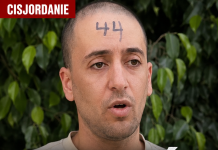
West Bank: Palestinians marked with numbers
The Israeli army acknowledged that soldiers had registered numbers directly on Palestinians interviewed on 17 August 2026 in Qabatiya, the occupied West Bank. One man appeared with the number "44" written on the forehead. The incident, already preceded by a similar case in Jenin in April, provoked reactions in Israel and abroad as well as a parallel with the matrix of the Nazi camps. This comparison illuminates the dehumanization symbol without allowing to assimilate the two historical contexts.

In Roumieh, the comfort granted to Riad Salamé questions
Lebanese justice allowed Riad Salamé to install an air conditioner, television, table and chair in his cell in Roumieh. The episode would be secondary if it did not concern the man who led the Bank of Lebanon for 30 years and whose mandate remains inseparable from the history of the financial system collapsed in 2019. The question is not to challenge his right to decent conditions, but whether the same opportunities are really available to other inmates.
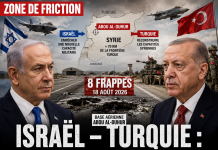
Israel-Turkey in Syria: a new line of confrontation?
The Israeli strikes on 18 August against the Syrian base of Abu al-Duhur reveal an increasing strategic divergence between Israel and Turkey. Ankara wants to stabilize the new Syrian authorities and helps rebuild their capacities. Israel intends to prevent the emergence of forces or equipment that it considers threatening. Washington is now seeking to create a mechanism of de-conflict between Israel, Turkey and Syria to prevent a new incident from causing direct confrontation.
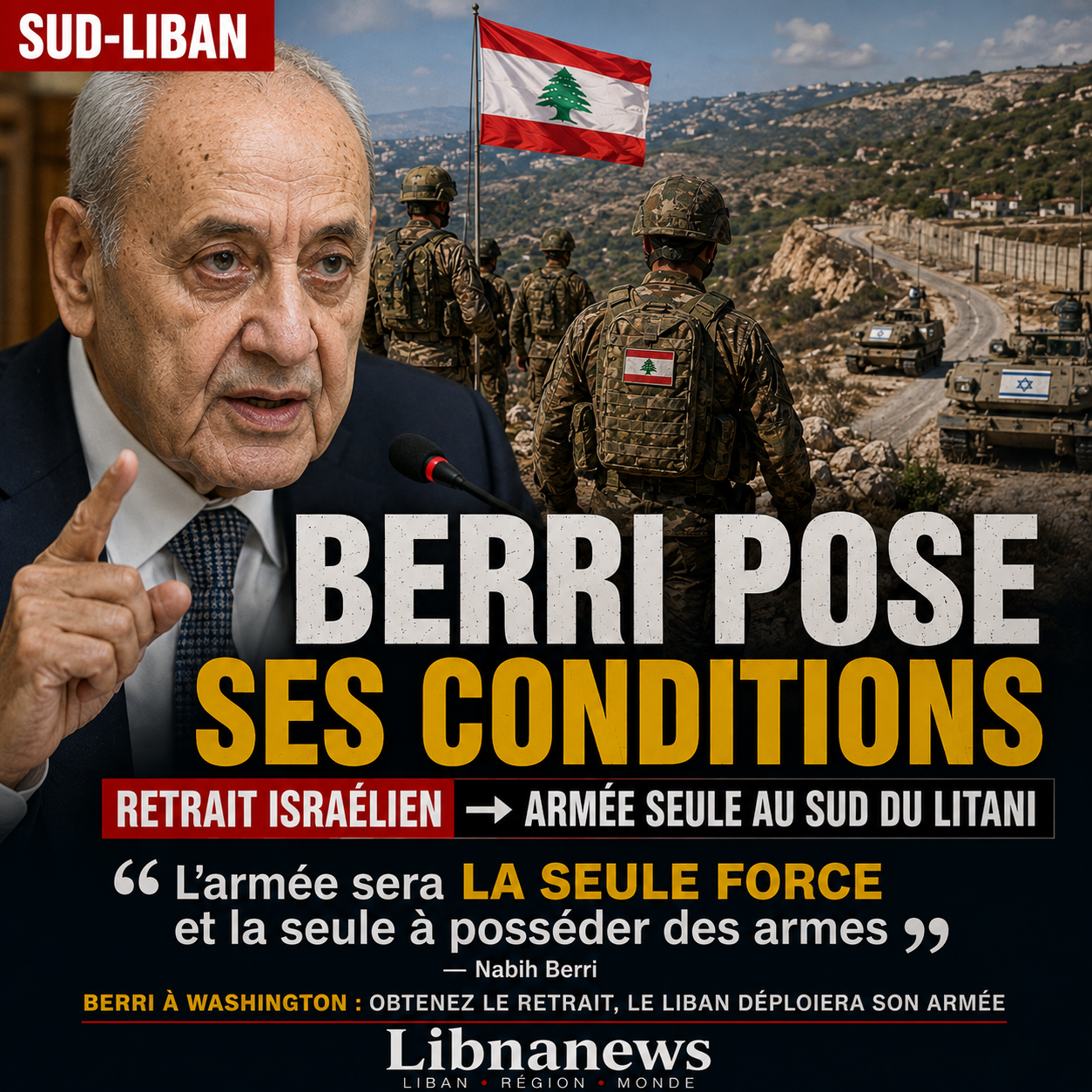
Berri links army deployment to Israeli withdrawal
Nabih Berri claims to be able to guarantee the immediate deployment of the Lebanese army south of the Litani if Israel ceases operations and withdraws to the international border. The Speaker added that the army would then be the only security force and the only one to possess weapons in that area. Addressed to an American delegation, this proposal puts Washington before a precise equation: to obtain Israeli withdrawal in return for a military monopoly of the Lebanese state in the South.
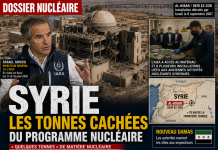
Syria: Tons of nuclear material resurface
The new Syrian authorities have revealed to IAEA the existence of several tons of nuclear material at an previously unreported site. Rafael Grossi visited Syria on 17 and 18 August 2026 to advance a nearly twenty-year-old investigation into the nuclear activities of the Assad era. The discovery does not constitute a stock of material that can be used directly to make bombs. It could, however, help to reconstruct the clandestine programme associated with the Al-Kibar site destroyed by Israel in 2007.



