The official record increases to 1,029 deaths in Lebanon
The Lebanese Ministry of Health announces an official assessment of 1,029 deaths and 2,786 injuries since 2 March in Lebanon.
Prohibited games, or when it is understood that no one is sheltered
Through the memory of the forbidden Games, the war recalls that there is no long-term protection from exile. When the bombings throw civilians on the roads, a society reveals itself in its way of looking at the displaced: with rejection, fear, or fidelity to a basic requirement of humanity.
After American threats, Gulf water becomes Iran’s response
After American threats against Iran, Tehran targets desalination plants, a strategic weakness of the Gulf monarchies.
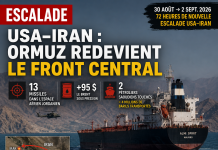
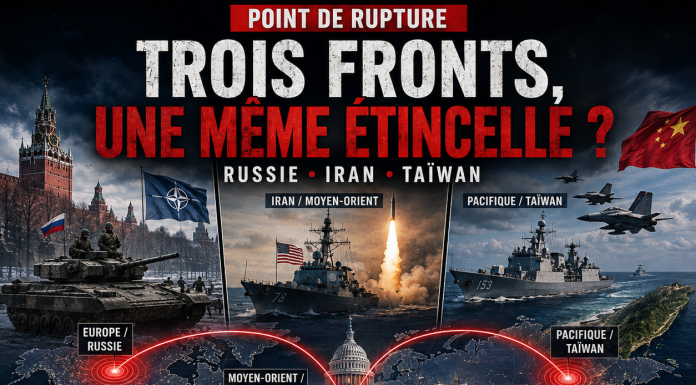
Natanz, Dimona, Ormuz: climbing with global consequences
The Ormuz Canal concentrates the escalation between Washington, Tehran and Tel Aviv, between ultimatum, and Natanz nuclear centers in Iran and Dimona in Israel and the energy threat.
Faced with Iran, Arab neutrality under tension
In the face of Iran, Arab capitals are cautiously neutral, but intercept missiles and drones while inserting into American defence devices. This ambiguity reveals a selective non-belligerence, between regime protection, fear of regional escalation and a growing risk of internal tensions in several Gulf states.
In Israel too, filming the bombings can lead to court
In Israel, filming the bombings can lead to seizures, arrests and prosecution. Analysis of rules, risks and censorship.
War, oil, sanctions: the big American turn
Why Washington loosens sanctions on Iranian oil despite the war, and why Europe refuses to follow.
Beirut, Ormuz, Gaza: the same wave of shock
Lebanon, Iran, Gaza, Ormuz: what must be understood from the night that brought about the crisis in the Middle East.
Geagea challenges Hezbollah ministers’ place
Samir Geagea revived the debate on the presence of Hezbollah ministers in the government, after the ban on his military activities. In a context of war and international pressure, it questions the coherence of the executive vis-à-vis a political and armed party.
Lebanese Front, piece of war against Iran
The Lebanese front is part of a regional strategy against Iran, well beyond the southern border alone.
Negotiate with Israel, mirror of real Lebanese power
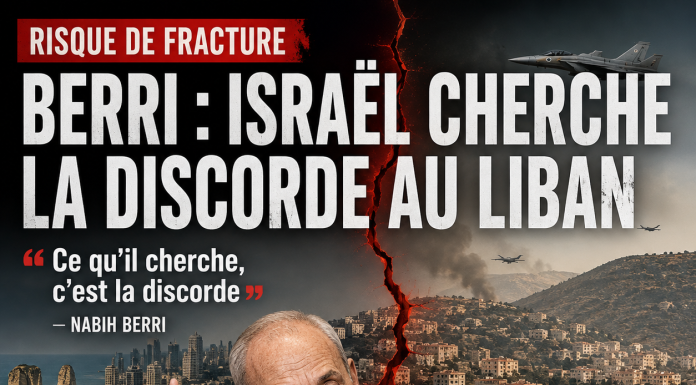
The issue of negotiations with Israel reveals the fragmentation of Lebanese power. Between presidency, government, Nabih Berri and Hezbollah, the Constitution is not enough to define who really decides. This dossier exposes the gap between institutional legality and strategic power ratio in a Lebanon with multiple power centres.
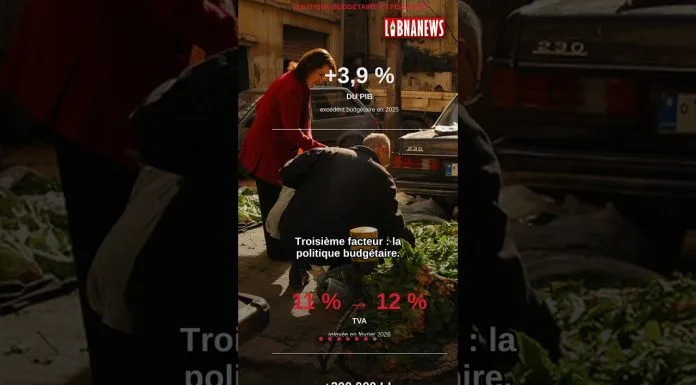
Oil, fertilizers, semiconductors: the first economic shocks of war
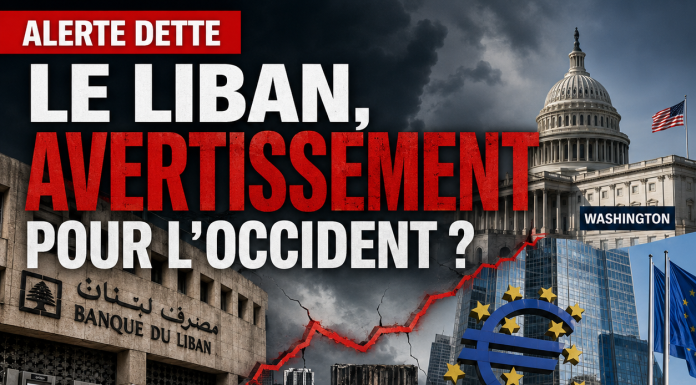
The war already caused its first economic turmoil: rising oil, more expensive fertilizers, disturbed freight and risks on semiconductors. For Lebanon, which is a fragile and dollar-dependent importer, this shock threatens the prices of bread, electricity, medicines and the whole economy under stress.
Should we die for Ormuz?
In this editorial, François El Bacha reveals the illusion of an obvious military response to the Ormuz crisis. Behind the call to secure the Strait, he sees an attempt to pool the human costs of an escalation decided elsewhere, without a clear mandate, without an exit strategy or credible political framework.
Erik Prince, founder of Blackwater back 2/2
In this second part, René Naba analyses the return of Erik Prince and the role of private military companies in Saudi and Gulf security. Between Blackwater, Vinell Arabia, electronic dams and Israeli-Western alliances, the article sheds light on geopolitical, military and strategic logics at work in the region.