

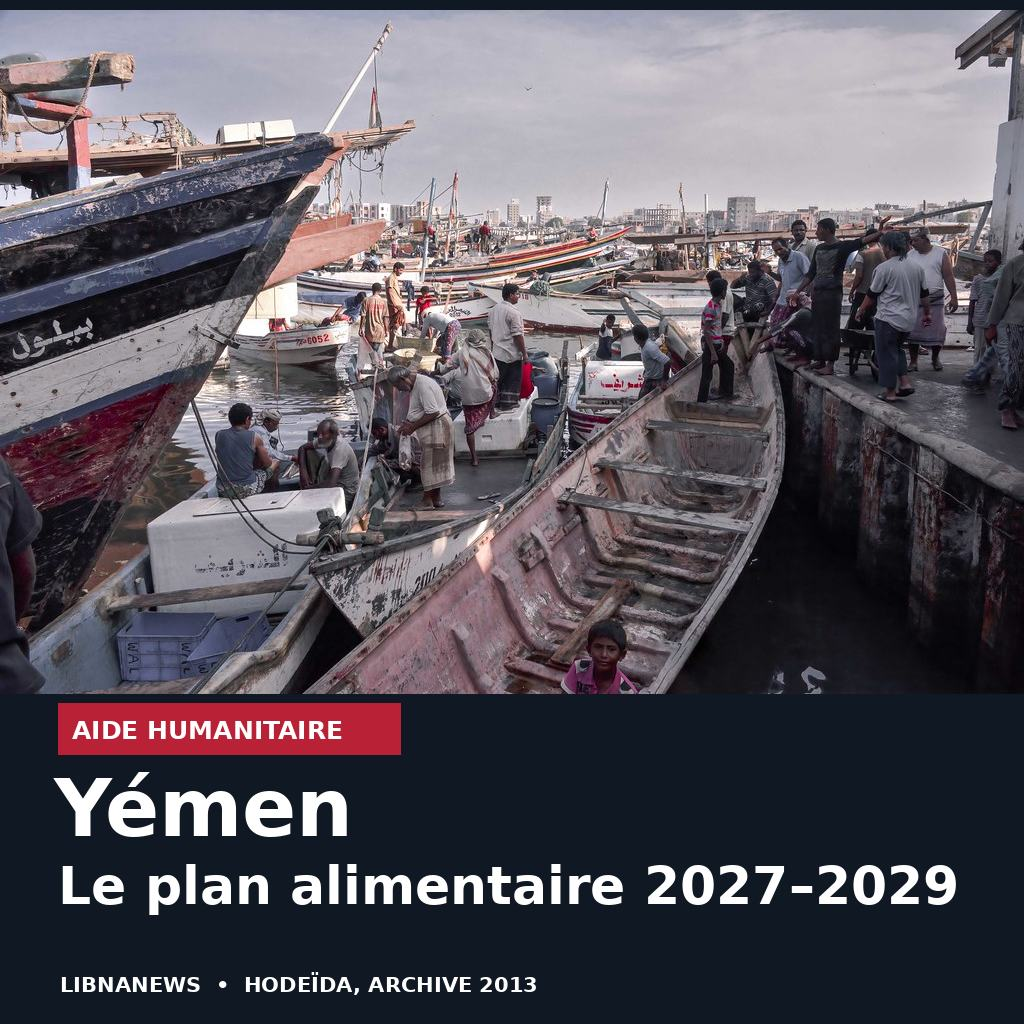
The World Food Programme (WFP) approved its plan for Yemen from 1 January 2027 to 31 December 2029. The cost retained by its Board of Directors in November amounts to $1.413 billion over three years. The figure corresponds to the WFP budget for operations, not already disbursed. The plan specifies how the agency intends to distribute aid depending on whether families can still buy food in the markets or not.
Food where markets are not enough
WFP plans to expand digital money transfers to sectors where markets operate. This formula allows beneficiaries to buy the products they need themselves. Where shops are difficult to access or can no longer be supplied, assistance must take another form. At the beginning of October, the agency already reported that some sites hosting displaced persons could only be assisted by in-kind distributions.
The plan also includes preventive nutritional supplements and gives priority to the management of moderate acute malnutrition in high-risk areas. In its November presentation, WFP estimated the number of children under five and pregnant and lactating women and adolescents affected by acute, moderate or severe malnutrition at 3.5 million. This estimate describes the needs, not the number of people who will actually receive assistance.
School meals and purchases that can support producers
Beyond the emergency, WFP wants to support nationwide school meal programmes based on local products. The aim is to support both school attendance and producers. The Agency also plans to work on community access to more nutritious foods. These flaps do not replace emergency distributions.
In Hodeïda, delivery remains a separate issue from funding
Hodeïda is one of the ports through which commercial shipments to Yemeni markets enter. The UN verification mechanism intervenes on these imports, but an authorization does not state whether the goods arrived at the traders. Even when food can be unloaded in Aden or elsewhere, they do not automatically serve the same households: they still need to be transported and distributed.
The three-year WFP budget is not confused with the humanitarian appeal of 2026, which covers several sectors and organizations. Access restrictions, under-stocked markets and funds actually received will determine the extent of distributions at the start of the program in January. The approval of the plan does not announce full funding or the reopening of an area to humanitarian aid.





Comments