

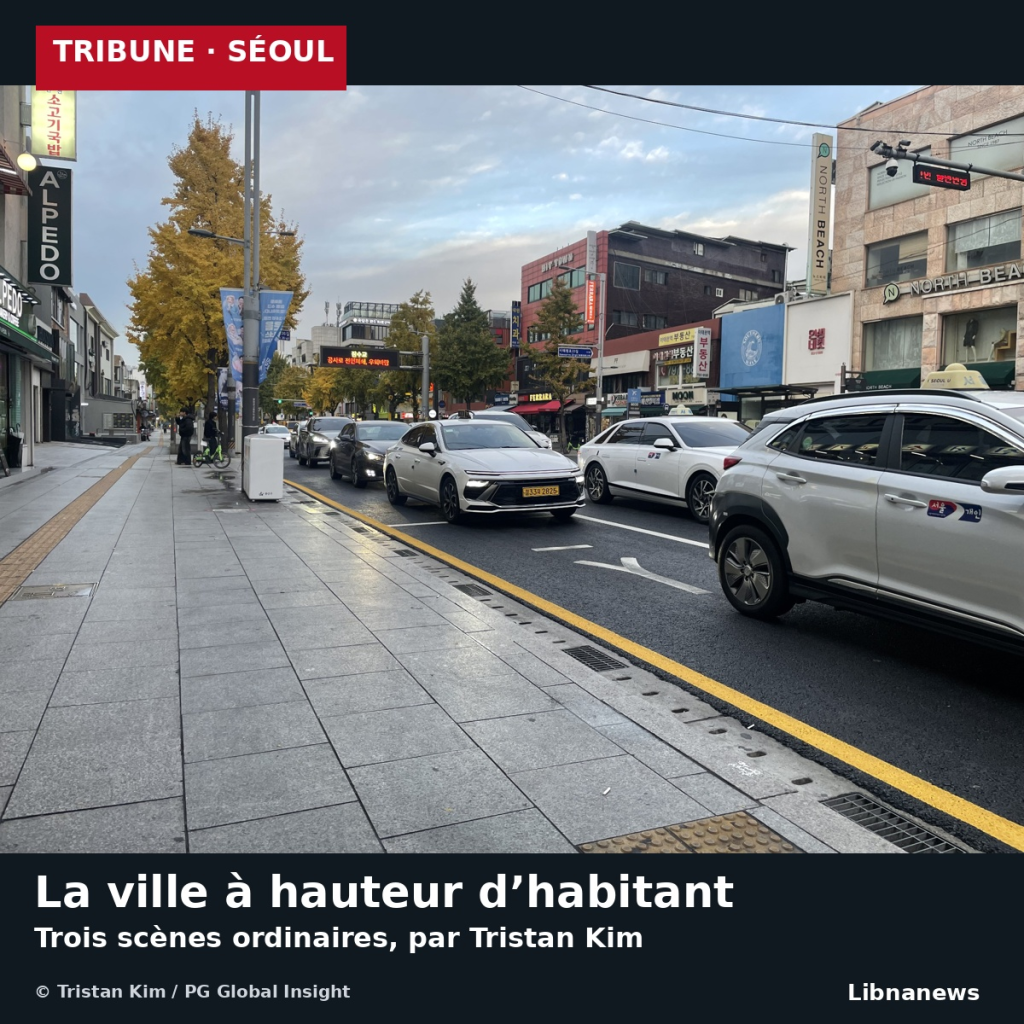
Unpublished tribune – Tristan Kim (Byonghui Kim) – Seoul, South Korea
A city also reveals itself waiting
In the morning, I leave my home in the district of Itaewon, Seoul, to join my work place in the field of construction and interior design. I cross sloping streets, meet shops that open their doors and sometimes wait for a bus in the middle of traffic noise. This trip has nothing to do with a postcard. Yet, he leads me every day to the same question: what really makes a city habitable?
When we talk about South Korean modernity, we are happy to mention skyscrapers, gigantic infrastructure and digital innovations. These elements exist, but the comfort of a person going to work often depends on more modest objects. A seat where it is possible to sit, a wind shelter, a legible panel or a safe passage can change the quality of an ordinary quarter hour. It is these small planning decisions, observed at pedestrian height, that I wish to tell.
First scene: a slope in Itaewon
Itaewon is known for its nightlife and restaurants, but the residential streets are also marked by strong declines. One morning in autumn, I’m going down one of these tracks. The electric cables cross the sky, the houses follow each other and, a few hundred meters away, the traffic resumes its rhythm. In dry weather, the slope may seem trivial. When the rain or frost arrives, the same space raises other questions: can the elderly travel easily? Does a relative with a stroller travel there without fear? Who cares about his interview?
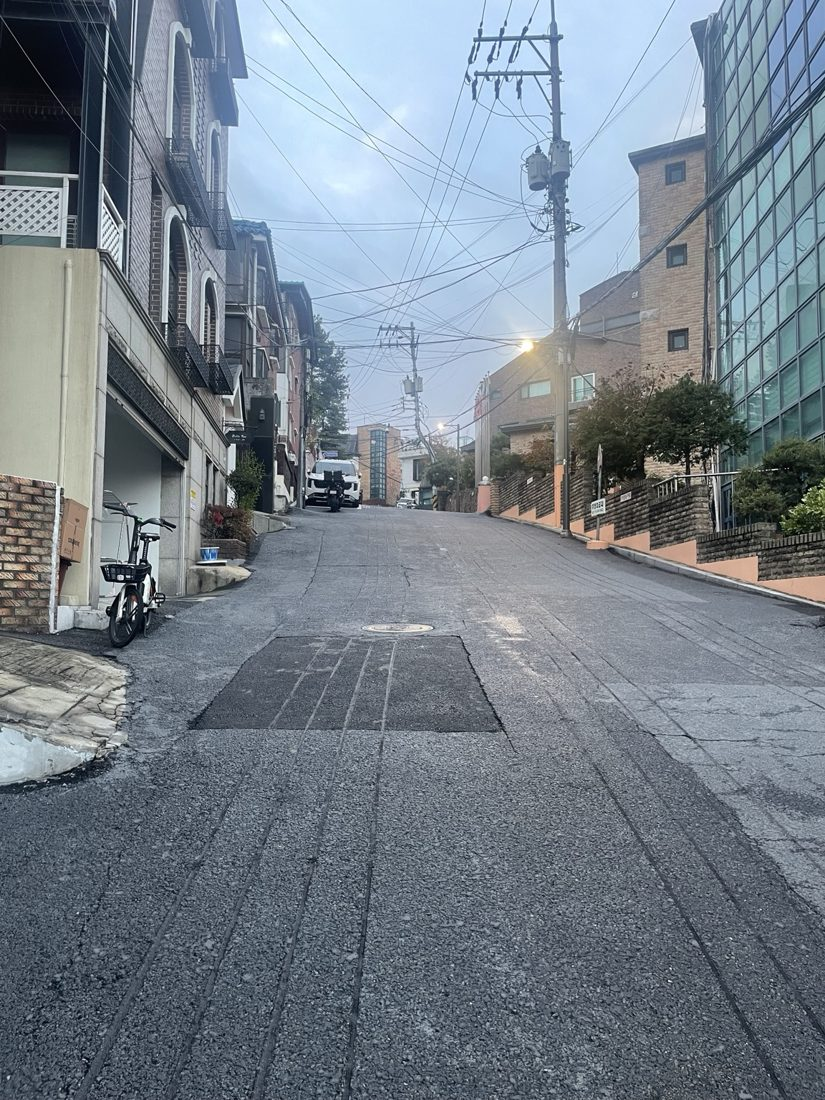
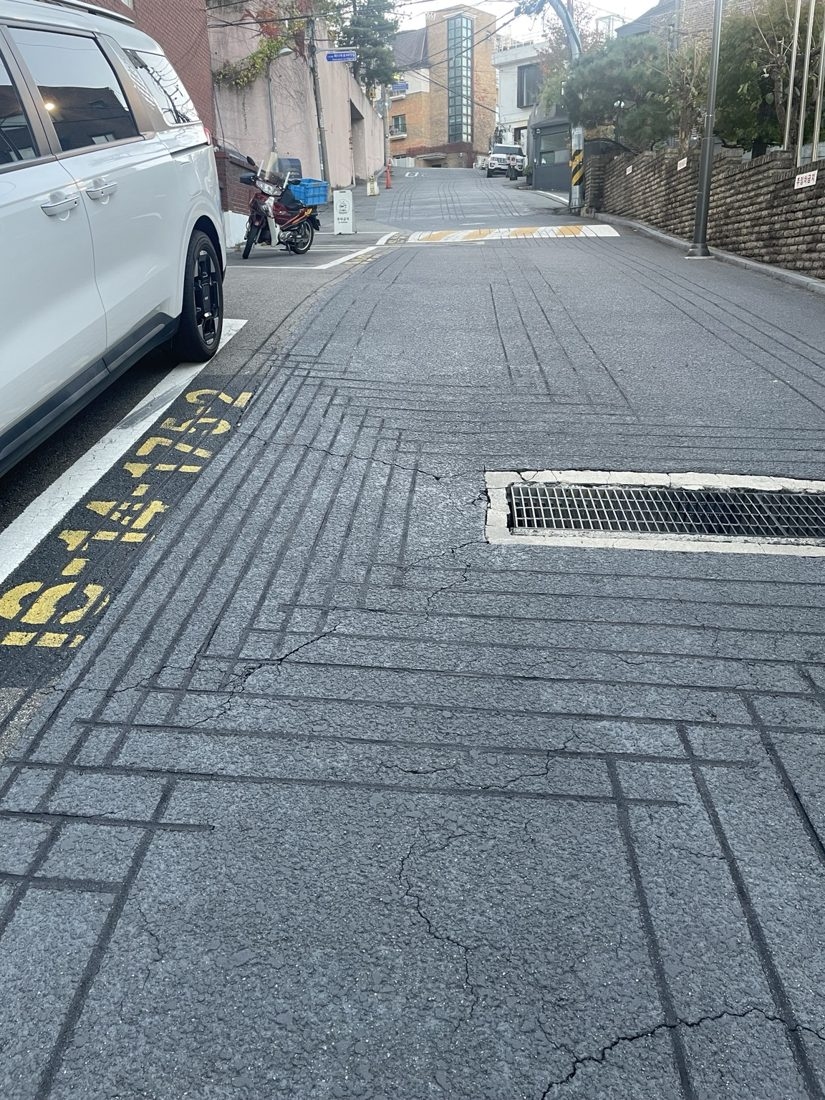
In some sloping streets, I have photographed visible traces of road heating installations designed to limit the risks associated with ice. I do not claim that this equipment was working on the day of the shooting, nor that it eliminates all accidents. I simply see that part of the development effort is under our feet, far from the spectacular facades. The utility of a device then depends on its operation, maintenance and actual accessibility.
Second scene: waiting for the bus
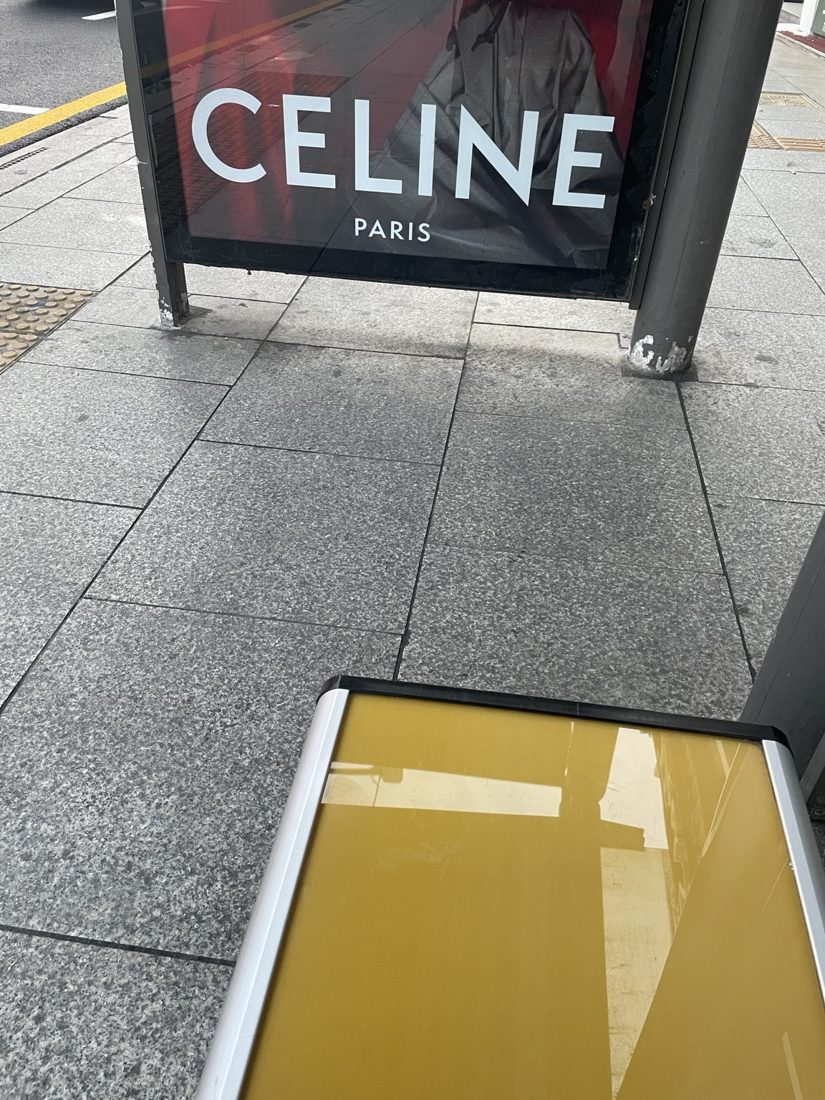
At a stop in Itaewon, a yellow heated seat draws my attention. Close by, an electronic display announces the arrival of a bus, sometimes with an estimate in minutes. I photograph these objects, not because they would be extraordinary, but because they respond to two very ordinary experiences: being cold and not knowing how long it remains to wait. Even a ten-minute wait is not an abstract parenthesis: it belongs to the life of the person passing through it.
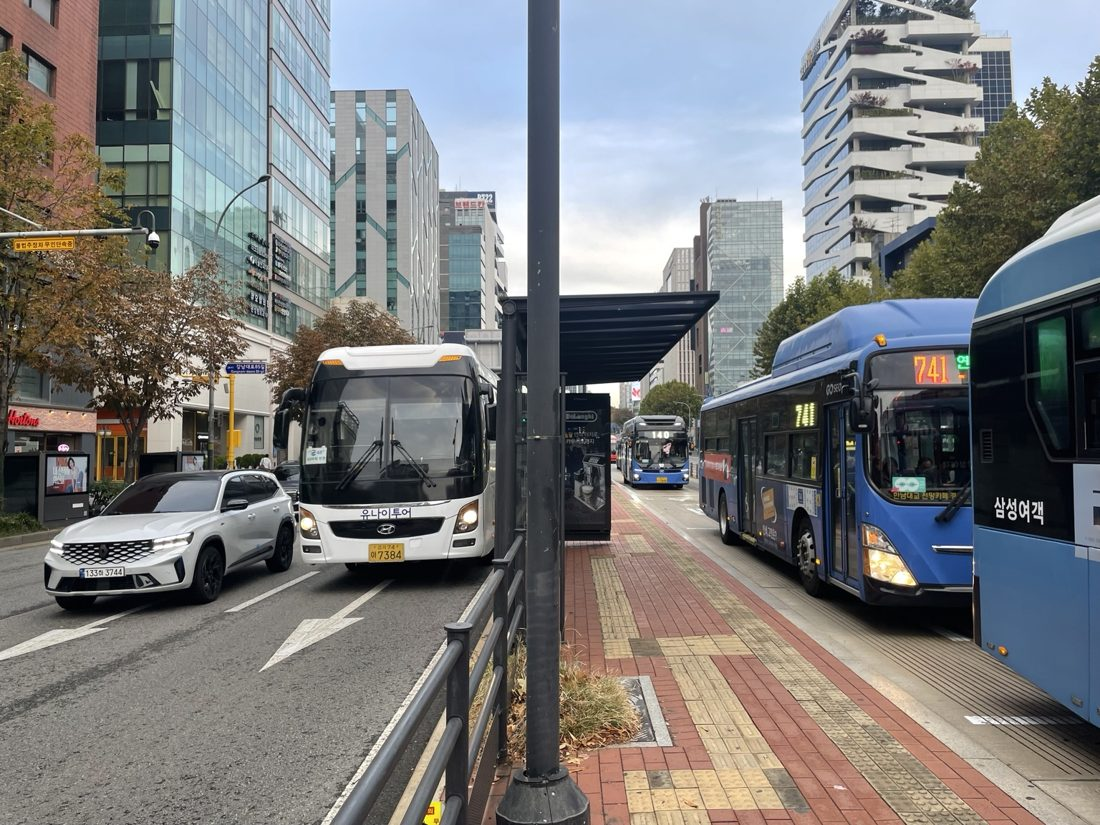
On other Seoul stops, closed spaces allow travellers to shelter cold or heat. Near Yeoksam station, I also observed a glass waiting room, fitted with wood, seating and traffic information. Nothing obliges to reproduce exactly the same model everywhere. The size of a shelter, its energy cost, cleanliness, the movement of people and its maintenance must be adapted to the context. The lesson is not that sophisticated equipment would always be superior; It is that waiting must be seen as a human activity in its own right.
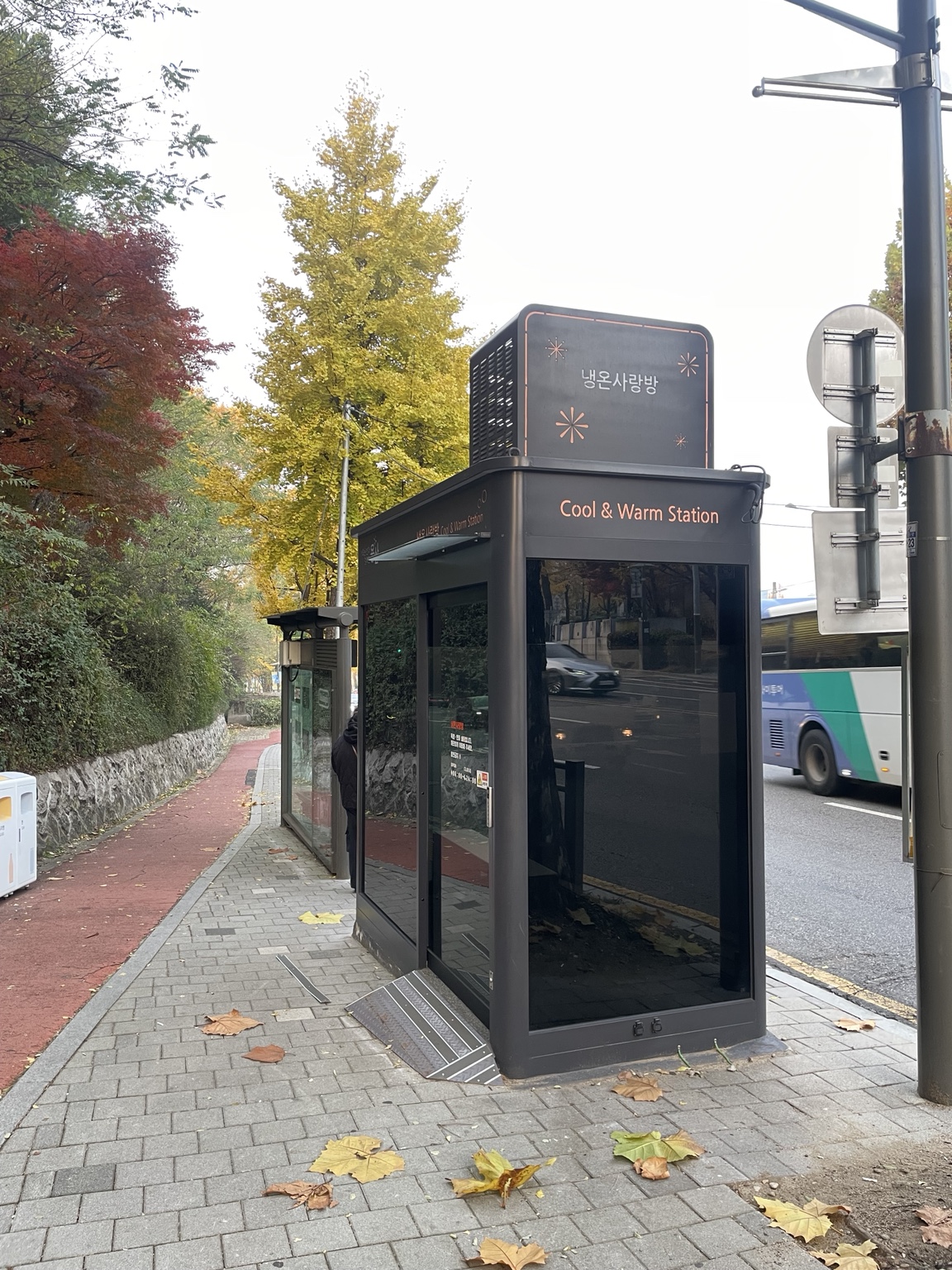
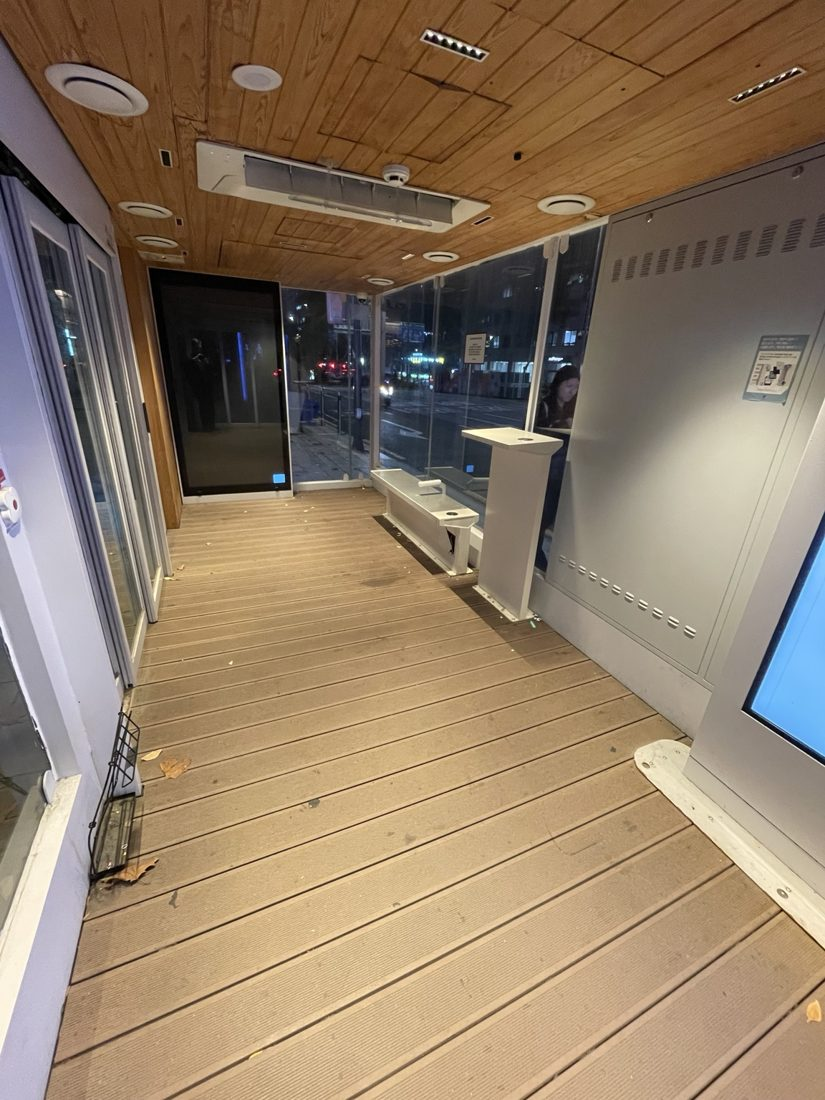
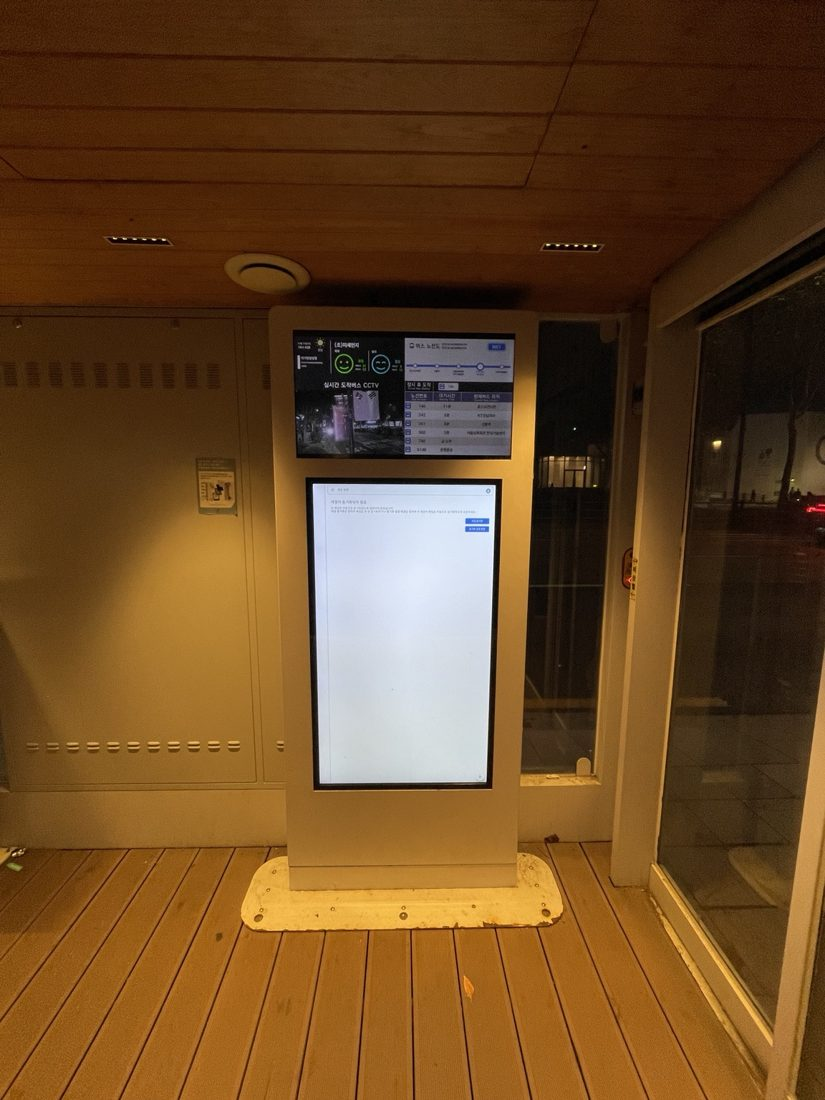
Detail and dignity
Working in the building and interior layout, I learned to look beyond new surfaces. A lobby can be elegant but difficult to use. A bus stop may seem very simple and nevertheless be valuable if a tired person finds a seat there, if an unfamiliar traveller in the area understands the route or if a person with reduced mobility can approach without obstacles. It is not enough to install a technology: its use must be understandable and it must remain available over time.
I often think about what photographs cannot show. An image captures an object at a given moment; it does not measure user satisfaction, maintenance quality, or the actual cost to the community. However, it can draw attention to good questions. When we look at a public bench, we can ask who can sit there. When we see a billboard, we can ask who is able to read it. Technical details then become questions of dignity and time sharing.
Third scene: a crossroads after work
In the evening, around Yeoksam, I find the streets of office buildings. Cars move in the light of signs and streetlights. People who leave work still have journeys to complete, connections to be found and families to join. Buses and waiting spaces fit into this movement. In Seoul, some avenues have bus lanes and wharfs in the middle of the road. This reflects a choice of organisation of the collective space, although congestion and access difficulties do not disappear.
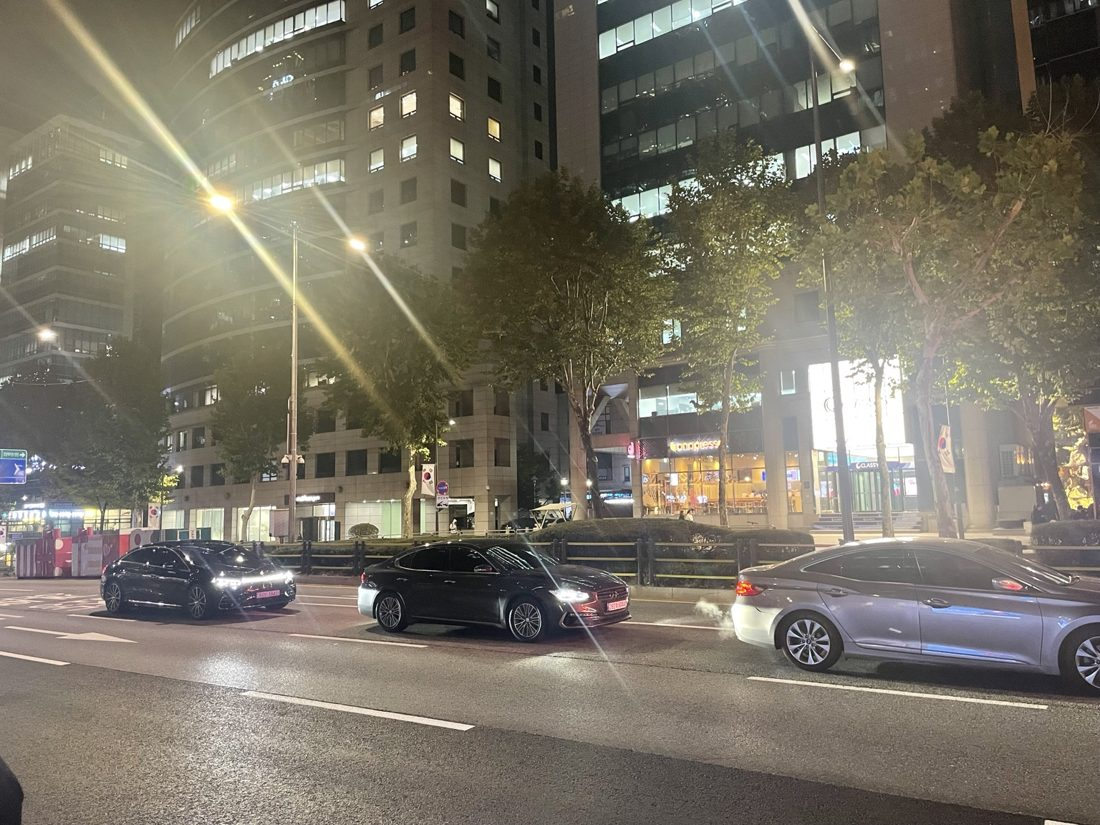
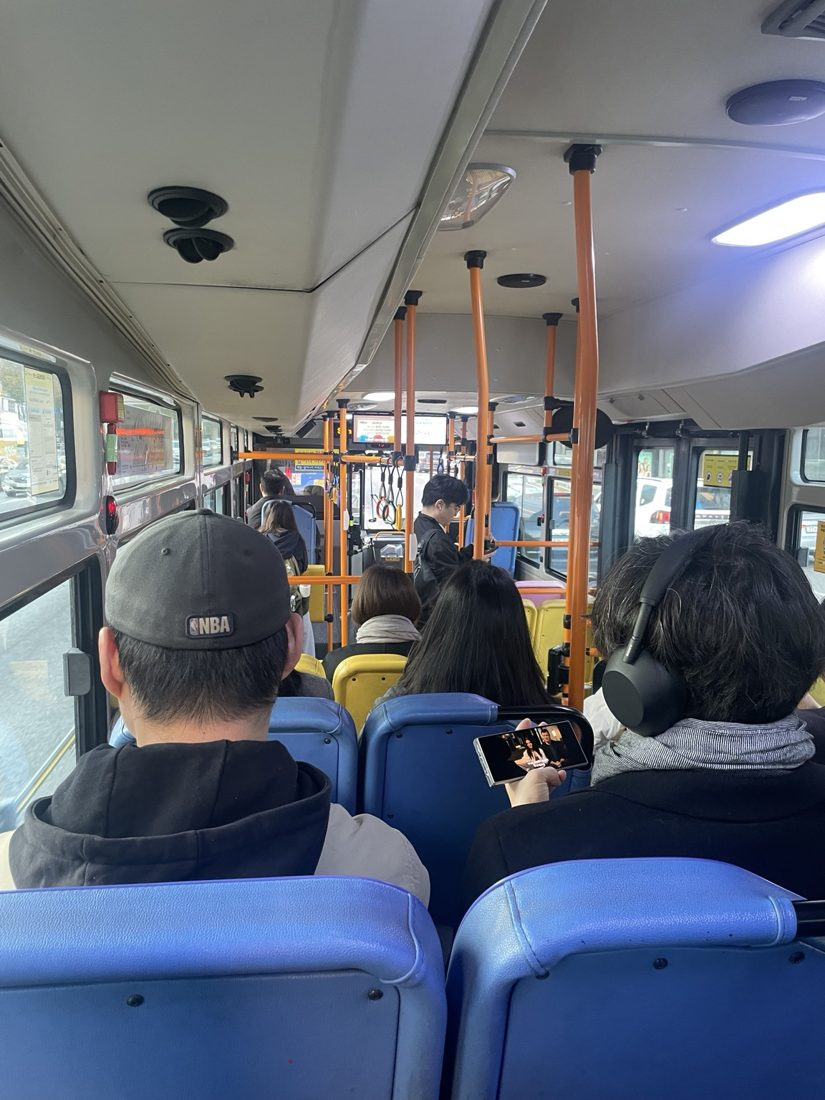
In my view, the experience of a trip must be seen as a whole: walking from home, crossing a crossroads, waiting, getting into a vehicle, understanding a connection, and then arriving at destination. A heated seat, reliable information or a well-placed passage are not isolated solutions. They become useful when they form a chain sufficiently consistent that the user does not have to repair each break in the course himself.
Observe without exporting certainties
I live in South Korea and do not write on behalf of the people of Lebanon. I do not claim to know the technical, economic or political constraints of Lebanese cities. My experience should not therefore serve as a simplistic comparison between countries. It is a testimony located: one person, several trips and some photographs taken in Seoul. I propose them as a subject for reflection and not as a universal method of use.
Each city has its own priorities. A shelter, a shade zone, a less crowded sidewalk, a clearer route indication or regular maintenance can be useful to different degrees depending on the neighbourhood. What deserves to be shared from one city to another may not be a form of urban furniture, but the method of asking: what are the concrete difficulties that people face on their day?
The daily face of progress
A city can impress with its towers and networks. In my view, it is better to be judged also on its modest gestures: to make a slope less risky, to allow a break, to protect an expectation, to indicate an arrival. The photographs accompanying this gallery do not prove that Seoul would have found the formula of a perfect city. They just show what I noticed when I went to work and went home.
I will continue to photograph these ordinary scenes. They remind me that a public space is not just a setting between two buildings: it is the place where the schedules, bodies, expectations and lives of people who do not know each other meet. Progress sometimes takes the discreet form of a service that allows someone to return home with a little less fatigue.
About the author
Tristan Kim (Byonghui Kim) works in the construction and quality of interior fittings in South Korea. Located in Seoul and linked to the city of Gimcheon, he photographed and recounted everyday life, travel and ordinary spaces on PG Global Insight: https://pgglobalinsightblog.wordpress.com/.





Comments