

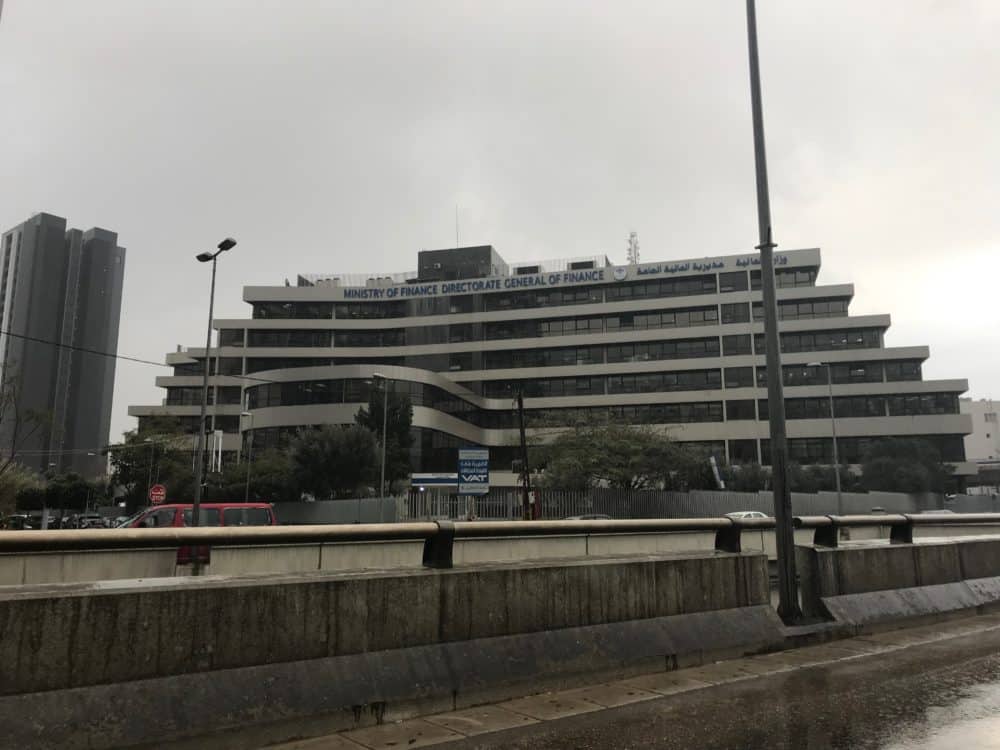
Decision 956/1, signed on November 9, 2026 by Minister of Finance Yassine Jaber, extends until December 30, 2026 including the penalty reduction scheme for wages and salaries tax. It renews the rules of decision 835/1 of 18 September 2026. This is a delay in receiving penalty reductions, not a reduction in the tax itself.
The extension is motivated by the security situation, Israeli attacks on Lebanese territory and the economic difficulties of the country. It grants additional time to the taxpayers concerned to settle their situation under the terms of the existing scheme.
The September decision initially set its end on October 31, 2026. The new deadline therefore concerns the possibility of benefiting from the reductions. It does not constitute a general change in the standard reporting and payment deadlines for all taxes.
Income tax: the penalties involved
The scheme covers base and recovery penalties for income tax on wages and salaries. The self-imposed securities concerned must have been issued from 16 November 2022. This date refers to tax documents, not just the year in which a salary was paid.
The basic text distinguishes three categories. The proportional penalties of the base are reduced by 50%. Lump sum penalties are reduced by 60%. The penalty for late payment, known as recovery, is reduced by 75%.
These percentages apply to eligible penalties. They do not reduce the taxable wage or, as such, the principal tax owing. Nor does the decision create a general exemption from all tax sanctions.
Regulation within the time limit remains the rule
The general rule links the benefit of the reduction to the payment of tax owing and reduced penalties within the applicable time limit. The taxpayer loses the benefit of regularisation if he does not fulfil this condition. The extension decision maintains the September framework, which also includes precisely defined exceptions.
In particular, the September text provides for a special provision where tax is subject to forced recovery. In this case, Article 10 allows the administration to grant the reductions without making this advantage conditional on prior payment of the principal. This exception falls within the framework of the tax administration.
Other exclusions limit the scope of the device. Penalties below 200,000 Lebanese pounds are not covered. For levies established and recovered in foreign currency, the text also mentions penalties of less than three dollars or three euros. Penalties under special regularisation provisions shall retain their own arrangements.
Major discounts require a separate agreement
The basic decision subjects certain significant reductions to the agreement of the Council of Ministers. The threshold relates to the amount of the reduction: more than £60 billion for drawdowns recovered in pounds, or $667,000, or their equivalent in other currencies, for those recovered in foreign currencies.
The text provides for a calculation by fiscal period and by offence. It also calls for joint reductions in the applicable base and recovery penalties. These rules prevent the percentage announced from being treated as an automatic remission applicable to any file, regardless of its amount.
The penalties already paid do not result in a refund simply because of the reduction. Article 11 reserves, inter alia, material errors, including double payments, and the consequences of a legal remedy. The scheme therefore concerns, first and foremost, the settlement of situations which are still open, within its own scope.
A targeted measure, not a general tax deferral
The decision of 9 November extended the application of an identified text. It does not replace ordinary wage reporting rules and does not exempt employers from their tax obligations. A situation cannot be considered admissible solely on the basis of the existence of a delay: the nature of the penalty, the title of taxation and the conditions of the regulation must correspond to the scheme.
The signed text indicates that the extension applies from the date of its issue and provides for its publication in the Official Journal and on the Ministry’s website. Its maturity is 30 December 2026 inclusive. This date concerns the reduction mechanism referred to in decision 835/1; It does not automatically extend the same treatment to VAT or other taxes.
The practical reading is therefore to distinguish three amounts: the principal amount of the tax, the penalty before reduction and the amount actually due after applying the eligible rate. The extension provides additional time to regularize the files covered. It does not erase the main and does not guarantee an identical reduction for all sanctions.
Lebanese Ministry of Finance, photo archive. Unestablished shooting date. Photo credit: Libnanews.com. Unmodified archival photograph.





Comments