

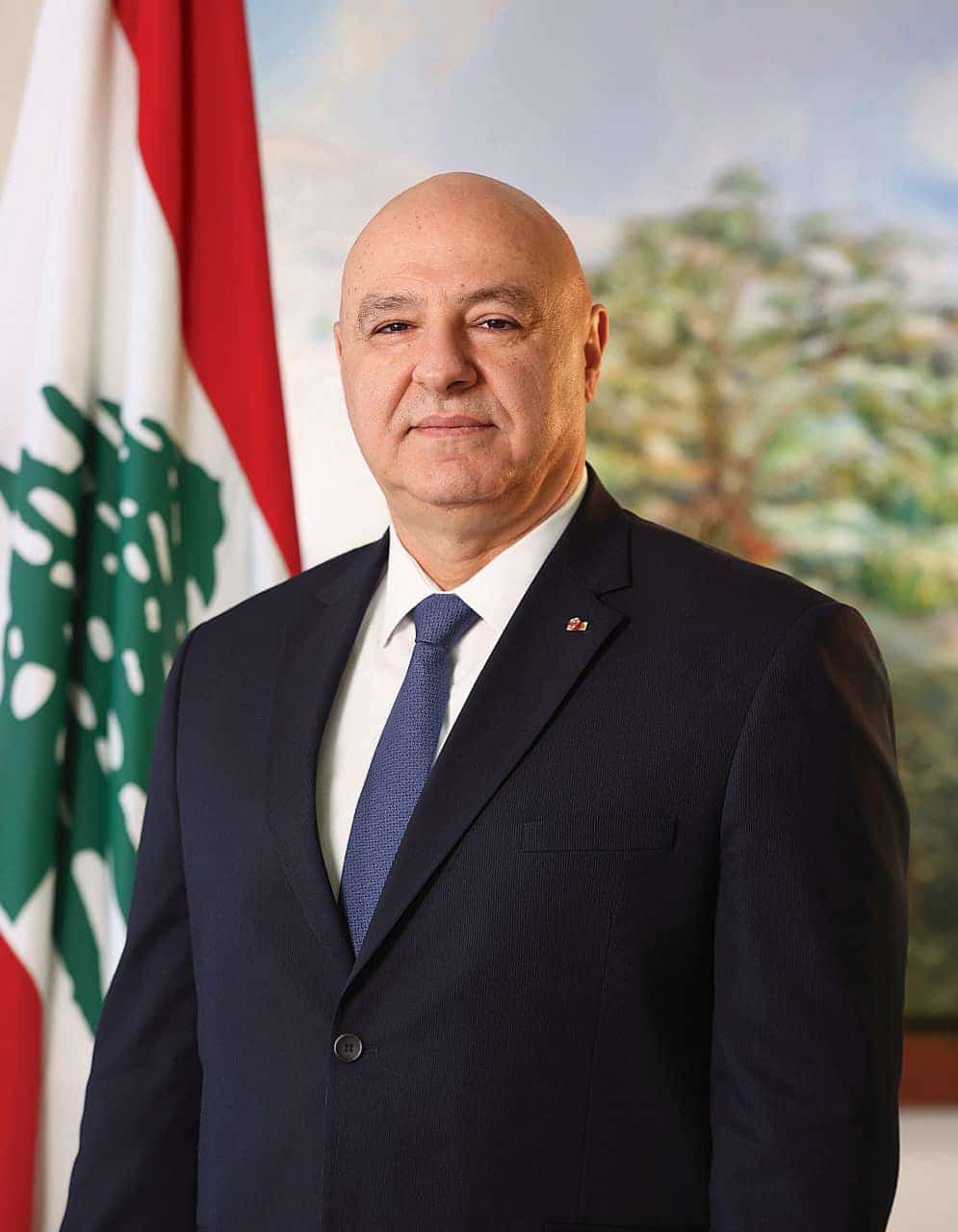
On Thursday, November 5, Joseph Aoun asked Baabda to strengthen the financing of Lebanese companies by the International Finance Corporation, or IFC. In front of a delegation led by Imad Fakhoury, the president stressed the difficulties of small and medium-sized enterprises and the employment that a capital injection could preserve. No new amounts, disbursement schedule or nomination scheme were announced at the end of this meeting.
The presidential appeal is aimed at SMEs but also at infrastructure, including energy and transport. The Delegation referred to the search for financing solutions in the context of a banking crisis, as well as the preparation of a World Bank Group partnership strategy with Lebanon for the next five years. This preparation does not yet constitute the approval of a programme.
Funding already exists
Aoun’s desire to give more room to investment, beyond the council, does not mean that the IFC has so far been absent from Lebanese funding. On 20 November 2025, the institution announced a set of commitments in microfinance, industry and energy.
One of the schemes was worth $10 million, distributed equally between Al Majmoua and Vitas Lebanon, to increase access to financing for small businesses and entrepreneurs, with particular attention to internally displaced persons and host communities. The assembly included a guarantee of initial losses of up to $5 million under PROSPECTS.
The same communiqué presented a loan of up to $40 million to BCI for its development in Lebanon and the region, as well as an investment of up to $30 million to Matelec. These announcements date back to 2025. They are neither new commitments made during the visit of 5 November 2026 nor a measure of the amounts actually paid since.
A concrete, but targeted example:
A more recent arrangement illustrates the difference between a general political orientation and a precisely defined offer. Launched by the International Labour Organisation (ILO) with Alfanar and Al Majmoua, under the Dutch-funded PROSPECTS programme, it targets 25 established structures of the social and solidarity economy in Lebanon.
The call published on 13 October provides for technical support and access to a subsidized loan of up to $50,000, through Al Majmoua and subject to financial audit. It includes social and cooperative enterprises registered in Lebanon, active for at least two years, in the North, Bekaa, Mount Lebanon and Beirut. The deadline is 8 November.
This programme is not an open window for all SMEs. It was not created during the presidential meeting and the announced ceiling does not guarantee a loan to each candidate.
From advice to credit, different commitments
A study is preparing a project. A loan creates a repayment obligation. An equity acquisition brings capital in exchange for rights in the enterprise. A guarantee covers certain risks under a contract; it does not necessarily replace the funding itself. Adding them together without distinguishing their nature would give a misleading picture of accessible resources.
In order to measure the follow-up to the presidential request, it will therefore be necessary to identify new approved commitments, intermediaries responsible for distributing funds, eligible companies and disbursements made. The visit sets a priority. It does not yet establish a new right to finance for Lebanese SMEs.
Photo archive: Joseph Aoun. Libnanews Photo Bank; Photographer and date of shooting not informed. This image does not represent the meeting with IFC on November 5, 2026.





Comments