

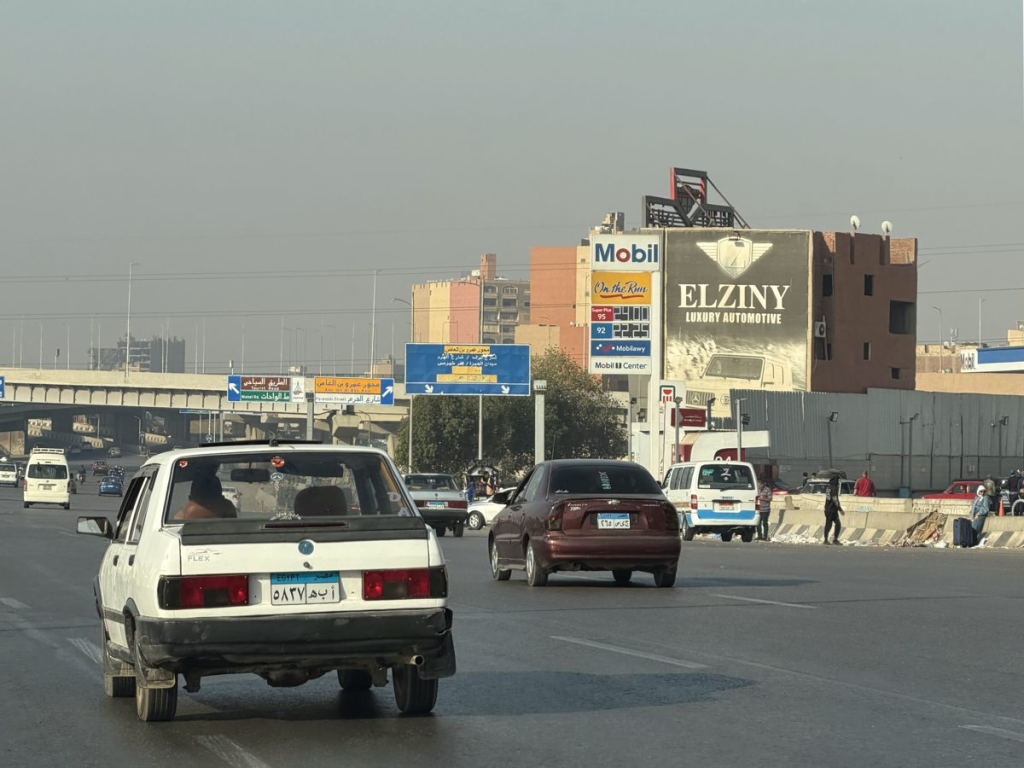
The fire of a tanker truck on the Greater Cairo ring road opened up a second question, distinct from that of responsibility in the collision: what precautions are involved in transporting petroleum products on a busy urban axis? Egyptian government spokesman Mohamed Adel said he was waiting for the results of the investigation before deciding on any further measures.
The truck that crashed on 25 November in al-Warraq, Giza governorate, belonged to a private company, not the oil ministry, the spokesman said. The Ministry of Interior announced the following day that it had found a video of the collision. According to his analysis, a car hit the back of the truck trying to overtake it from the right. The case file was forwarded to the prosecution. This police reconstitution concerns the initiation of the collision, not the technical conformity of the tank.
Vehicle registration, specific cargo rules
The Egyptian Traffic Act, published in the Official Gazette as No. 66 of 1973 and amended since then, regulates the entry into service and use of vehicles. The documents of the Egyptian Environmental Affairs Agency also distinguish between authorisations for handling substances classified as hazardous. In particular, the framework provides for an application to the competent authority and registers on the nature, quantities and means of transport of the substances concerned. This procedure does not replace the road formalities of the vehicle.
For this specific route, the elements made public by the authorities do not allow to verify the date of the last technical inspection of the whole, the documents relating to the cargo or the restrictions of movement applicable to the tank on that section. Nor can they establish a company’s default. A video identifying the starting point of a collision does not answer these questions.
The government has not announced any new restrictions on the peripheral or timetable for reform. His position, at this stage, is to wait for the judicial findings before clarifying what he intends to review in the rules for the transport of petroleum products.





Comments