

An ambassador can sit at the negotiating table and sign a text from Lebanon. This does not mean that it alone can ratify a treaty. The difference is that discussions on security in the South and post-FINUL continue and that Parliament’s Foreign Affairs Committee is talking with foreign interlocutors. The Lebanese Constitution distinguishes the roles of the Presidency, the Government and the House. Public documents recognize the steps, even when the word « agreement » is used to describe several.
In Baabda, negotiation of treaties is not a solitary power
Article 52 entrusts the President of the Republic with the negotiation and ratification of treaties, in agreement with the Prime Minister. Another condition is that the Council of Ministers must agree before a treaty is considered to be ratified. Section 64 provides for the Prime Minister to represent and speak on behalf of the government. It is therefore not two competing powers: the Constitution organizes their intervention in separate capacities.
In the Council of Ministers, international agreements and treaties are among the issues that Article 65 defines as fundamental. They require the approval of two thirds of the members set out in the Government Training Decree. The threshold is not that of the ministers present. The chairman may preside if he or she attends, but does not take part in the vote, Rule 53.
In the House, voting is not required for each contact
The Government shall inform Members of the Treaties when interest and state security permit. Article 52 distinguishes this information from the Chamber’s prior agreement, which it requires in three categories: treaties that engage public finances, commercial treaties and treaties that Lebanon cannot denounce at the end of each year. In these cases, informing Members is not enough. Conversely, an interview or consultation alone does not trigger ratification.
MEPs also have a channel for dialogue. The agenda of their Foreign Affairs Committee provided for a consultative meeting with members of the French National Assembly on 24 November. The published programme aimed at political and diplomatic developments and cooperation between the two assemblies. This parliamentary channel differs from a delegation empowered to sign a text on behalf of the State. The agenda was neither a vote nor a United Nations decision on the future of UNIFIL.
From the declaration to the signature of Washington
In April, in a letter to the Security Council, the Lebanese Government stated its readiness to engage in direct negotiations with Israel, with civilian participation and international sponsorship. The letter establishes a government position. It does not constitute an agreement between the parties. The UN Secretary-General’s report of 12 November followed the US-led talks and the announcement of a trilateral framework on 26 June.
On that day, in Washington, it was Lebanese ambassador to the United States, Nada Hamadé Moawad, who signed at the official ceremony. The presence of a representative at the table and its signature document two diplomatic acts. They alone are not sufficient to attest to a ratification procedure or to conclude that a peace treaty has been concluded. The status of each text depends on its content and subsequent decisions. The mandate of a UN mission is a decision of the Security Council, not a consultation in Beirut or Paris.
To read a next announcement, we must look for the accompanying document: an agenda proves that an exchange was planned, a declaration indicates the position of a government and a signed text identifies what the parties have adopted at this stage. In the case of a treaty governed by Article 52, the agreement of the Council of Ministers and, in the cases provided for, that of the Chamber shall provide different evidence.
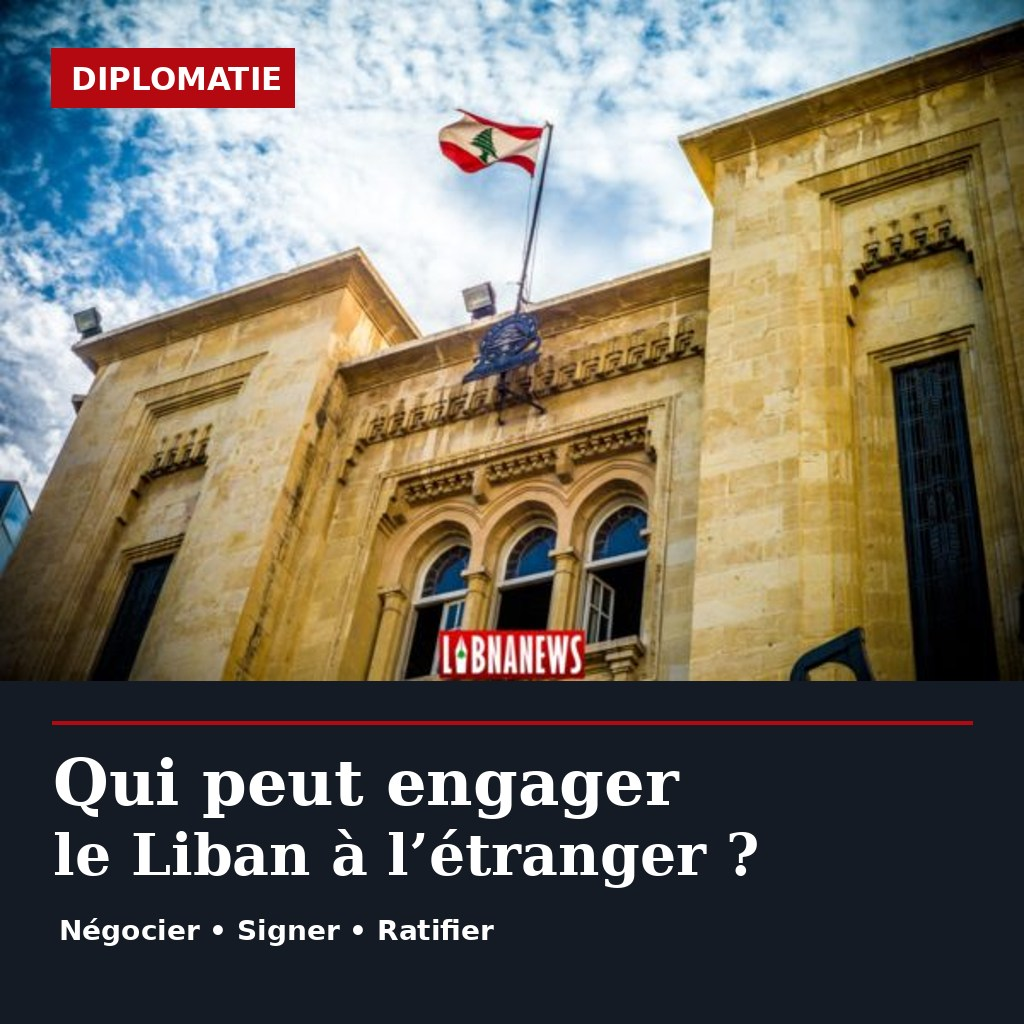
Cover: Lebanese Parliament in Beirut, photo archive. It is neither the November 24 consultation nor the Washington signature. François El Bacha / Libnanews.





Comments