

As winter approaches, the European Union mobilises 500 generators of its reserve for Ukraine. This measure was announced on 12 November 2026 by António Costa and Ursula von der Leyen, after their meeting with Volodymyr Zelensky in Dublin. It is an emergency aid, separate from the debate on Ukrainian financing for 2027.
An emergency reserve, not a replacement network
According to the European Commission, rescEU constitutes a strategic reserve integrated into the European Civil Protection Mechanism. It complements the resources proposed by participating countries when a crisis requires additional capacity. The Union finances these reserves, which are not limited to energy: they also include medical facilities, accommodation and transport equipment.
The energy panel brings together generators of different sizes. Some can feed housing; other are intended for public buildings or essential services, including hospitals and heating stations. The Commission indicates that thousands of aircraft have already been deployed in Ukraine since the Russian invasion. The package announced in Dublin is part of this relief assistance.
However, the 12 November communiqué does not specify the power of the 500 generators, their duty stations or their detailed delivery schedule. Therefore, the number of households cannot be calculated. The announcement also does not constitute confirmation of receipt of all equipment.
Two separate calendars
Costa and von der Leyen also announce support for the delivery of four Norwegian floating bridges and 200 buses. For the financial needs of 2027, they refer to the European Council of 26 and 27 November, on the basis of a Commission proposal. At the same time, the declaration provides for the presentation of a twenty-second package of sanctions against Russia, without announcing its adoption.
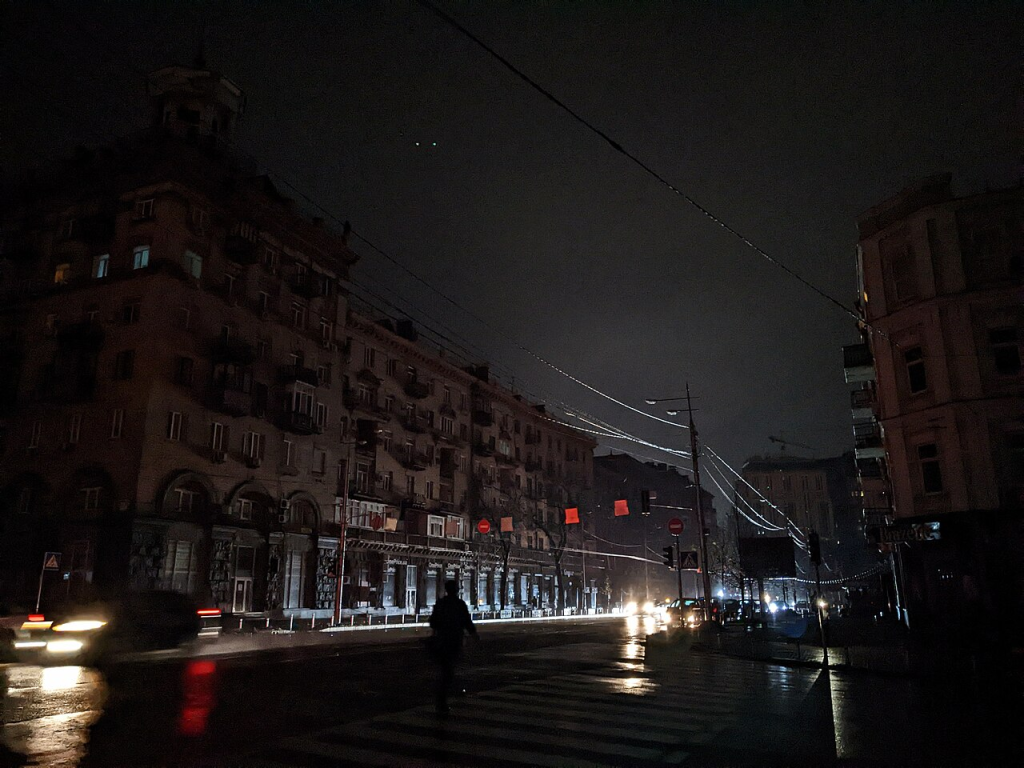
Photographic archives: Kyiv, November 25, 2022. Bektour, Wikimedia Commons,CC BY 4.0. This image shows neither the announced delivery nor the situation of November 2026.





Comments