

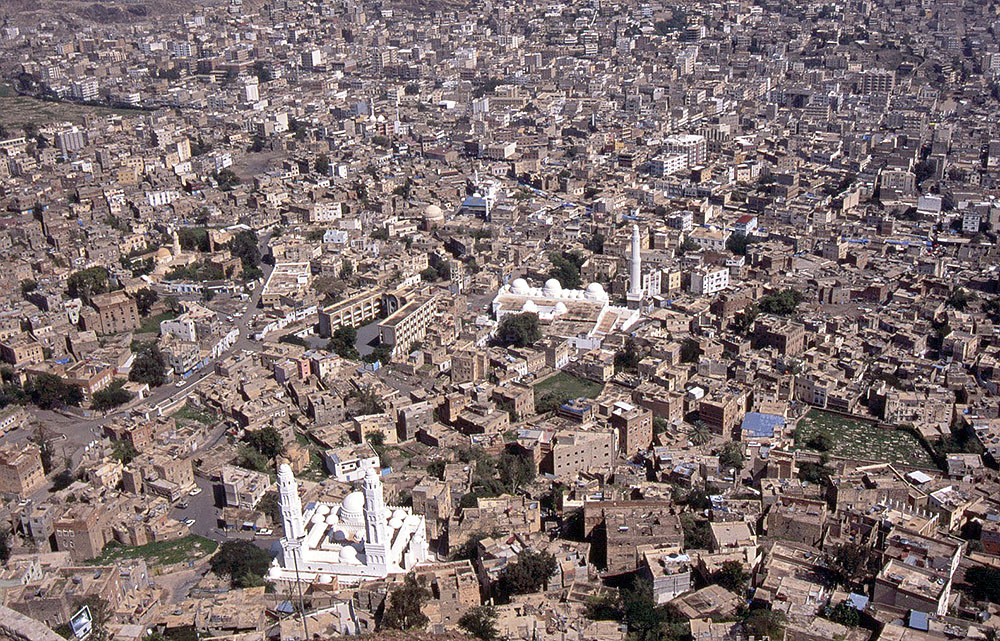
The International Committee of the Red Cross delivered four medical aid trucks to Taez on Wednesday, 4 November 2026. This operation marks its first delivery to hospitals in the city since 23 September, according to its regional spokesman. Supplies include surgical equipment for the wounded in the fighting. Their arrival provides support to caregivers, without announcing a general reopening of the roads or the end of the siege.
ICRC confirms delivery in a press release issued on Wednesday. His spokesman for the Middle East, Hashem Osseiran, specifies the date of the previous medical convoy in statements to a news agency. This previous delivery had preceded the intensification of fighting around Taez. The organisation stresses, however, that this delivery does not cover all the needs of the population.
Medical aid in Taëz after six weeks of interruption
The spokesman’s clarification relates to ICRC deliveries to hospitals in Taez itself. It does not mean that any assistance would have ceased in the governorate. The organisation reports that in recent weeks it has supported several establishments close to the front lines. She cited the hospitals of Al-Rahidah, Hayfan and the health centre of Demnat Khadir.
The ICRC video report presents the stages of the day’s operation. Its description follows the departure of the warehouse in Sanaa, then the arrival at Al-Thawra Hospital. It refers to the unloading of packages and the control of supplies. This document concerns a medical convoy. It does not provide information on a sustainable resumption of commercial traffic or regular travel.
The release does not give the tonnage of the load or the number of patients it will treat. It does not present any timetable for future deliveries. At this stage, therefore, the confirmed result relates to these four trucks and their announced medical content.
Hospitals already weakened by shortages
The convoy has been arriving in a largely isolated city for a month. The escalation opposes the forces of the internationally recognized government, supported by Saudi Arabia, to the Houthis, Iran’s allies. The blocking of essential routes, particularly to Aden, has reduced the supply of essential products and complicated the displacement of civilians.
Facilities must accommodate injured persons while maintaining routine care. Human Rights Watch, in its survey published on 29 October, describes shortages of anaesthetics, oxygen and medicines. Physicians interviewed also refer to chronic patients who can no longer reach their treatment site. The absence of fuel prevents certain movements, even when the journey does not cross a closed road.
The human rights organisation bases its findings on fifteen interviews. It mainly attributes the worsening of the crisis to the restrictions imposed by the Houthis. A spokesman for the movement replied on 21 October that government forces were blocking the roads. Human Rights Watch contests this version in light of the testimonies and United Nations information it gathered.
The passage of a convoy does not restore supply
On Monday, 2 November, UN humanitarian chief Tom Fletcher called for the opening of the roads. Water production was halved and food prices were up by at least 50%. Hospitals also lacked fuel and medicine, according to his alert.
These needs exceed the medical content announced on Wednesday. There is no evidence published by the ICRC to conclude that they are resorption. The organisation shall not announce any ceasefire agreement, lift the siege or open a corridor permanently.
For Christine Cipolla, head of her delegation in Yemen, quick access to health care is crucial for serious injuries. It calls on the parties to facilitate safe and sustainable humanitarian access. His appeal concerns those who need help, regardless of the side of the front line where they are.
The next step remains the possibility of renewing these routes. ICRC also called for the protection of institutions, the injured and the sick, and for medical personnel to be allowed to work.





Comments