

In southern Lebanon, the withdrawal of UNIFIL is a source of concern to residents who are still trying to find basic housing, activity and services. In an interview aired on 12 November, his spokesman, Kandice Ardiel, describes a region where returns continue in the midst of destruction. The departure of peacekeepers also threatens local economic support and Lebanese jobs, while several Mission employees have themselves lost their homes or relatives.
Children return to school and farmers try to harvest their olives, she reports. However, these takeovers take place in heavily damaged villages. Electricity networks, water facilities and roads are among the infrastructure that remains to be rebuilt.
In Naqoura, homes and shops destroyed
The spokesperson quotes Naqoura, where the mission headquarters is located, to describe the obstacles to return. This coastal community included houses, shops, restaurants and businesses. It has been reduced almost entirely to rubble, as reported by UNIFIL. Residents lost both their roofs and their livelihoods.
The lack of housing is thus compounded by difficulties in returning to work. In villages where families can return, the facilities necessary for daily life remain severely degraded. In other localities, residents still cannot return, says Kandice Ardiel.
The United Nations data presented on 12 November show that almost one million internally displaced persons returned to Lebanon. This number has increased by 13 per cent since September. However, some 304,500 people remain displaced outside their region of origin.
UNIFIL’s withdrawal also worries its Lebanese employees
The mission has been an economic presence in the South for decades. It offers jobs and supports local activity beyond its military functions. Her departure therefore directly concerns the people who work for her, in addition to the communities neighbouring her facilities.
The transition will be particularly challenging for national staff, warns Kandice Ardiel. Several of these Lebanese employees suffered family or material losses during the conflict. These events now add the announced closure of the mission where they worked for years.
A region always exposed to military operations
On the ground, UNIFIL has observed a significant decrease in hostilities since the June framework agreement between the United States, Lebanon and Israel. However, it continues to report daily violations, mainly attributed to Israeli forces.
Kandice Ardiel mentions the construction of military positions and roads, demolitions, airstrikes and artillery fire on the Lebanese side of the Blue Line. These activities maintain instability in areas where residents seek resettlement.
The mission also reported that a patrol had been fired near Wadi Jilu on Tuesday, 10 November. The peacekeepers responded and the exchange stopped. No injuries were reported. UNIFIL requested the Lebanese authorities to promptly initiate an investigation.
A gradual departure from the end of December
Resolution 2790 provides for the cessation of UNIFIL operations by 31 December 2026, followed by an orderly and secure withdrawal within one year. Adopted in August 2025, it organizes this phase in consultation with the Lebanese Government and in coordination with the contributing countries.
During the withdrawal, the Mission retains, inter alia, functions to protect its personnel and facilities. It can also contribute, within its capabilities, to the protection of civilians and the delivery of humanitarian assistance under civilian leadership.
In his interview on 12 November, Kandice Ardiel stressed that no alternative formula had yet been decided by the Security Council. It defends the maintenance of an international presence and impartial monitoring. For the people of the South, this transition is being prepared as homes, shops and essential services remain to be rebuilt.
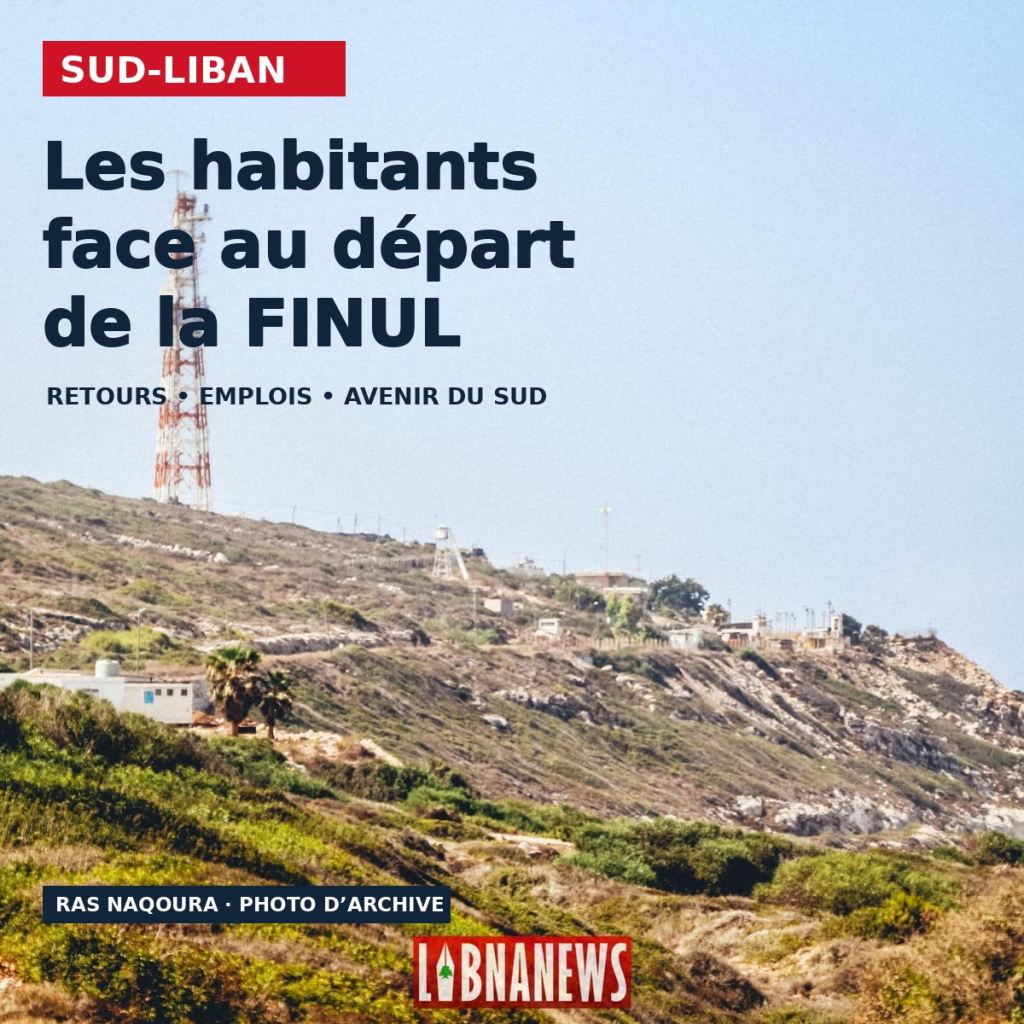
Cover: Ras Naqoura, photo of François el Bacha / Libnanews. Date of shooting not established; This image does not represent the current destruction.





Comments