

The World Energy Outlook 2026, released by the International Energy Agency on 19 November, raises a question that goes beyond the immediate supply rebound: how can exposure to Ormuz Strait be reduced in a sustainable manner? Its response combines diversification of supplies and lower consumption of imported fuels. It does not promise any loss of risk or independence from the Middle East.
Scenarios, not a reopening forecast
Distinction is essential. The two scenarios based on existing or officially proposed policies involve a gradual relaxation of the constraints on Gulf exports and unhindered transit through the Strait by the end of 2027. This modelling assumption is not an announced diplomatic timetable, let alone a guarantee.
The IEA also examines additional responses that governments are considering without necessarily formalizing, as well as a case of very low dependence on Ormuz. These exercises combine new shipping opportunities, supplies outside the Gulf and reduced demand from importers. None is a definite forecast.
Changing the road doesn’t change everything
The most important result, therefore, is not the prospect of simply moving flows. Even in its extreme case of low dependence on Ormuz, the agency retains its position in the Middle East as the leading oil exporting region. Reducing exposure to sea passage does not mean removing exposure to regional instability.
Liquefied natural gas has another limitation: IEA does not retain a feasible circumvention solution for Gulf exports. The safety of importers then depends more on the diversification of suppliers and the uses to which they can substitute another energy. Oil and gas therefore do not have the same flexibility.
The bill is also played in networks
For importing countries, economic education is double. Lower oil and gas consumption may limit exposure to external shocks. But electrification moves some of the needs to networks, storage and management of demand points. Adding production capacity without allowing electricity to be transported and available at the right time is not enough.
The IEA’s energy security analysis also highlights the importance of initial funding. Economies able to invest can reduce their import expenditure, while a high capital cost hinders this transformation. This is not a promise of an immediate reduction in bills: today we must finance equipment whose profits spread over time.
Finally, safety and decarbonation do not automatically merge. The extended use of coal can also be a response to a search for domestic resources. The report thus describes several possible options after the shock, not a transition already acquired.
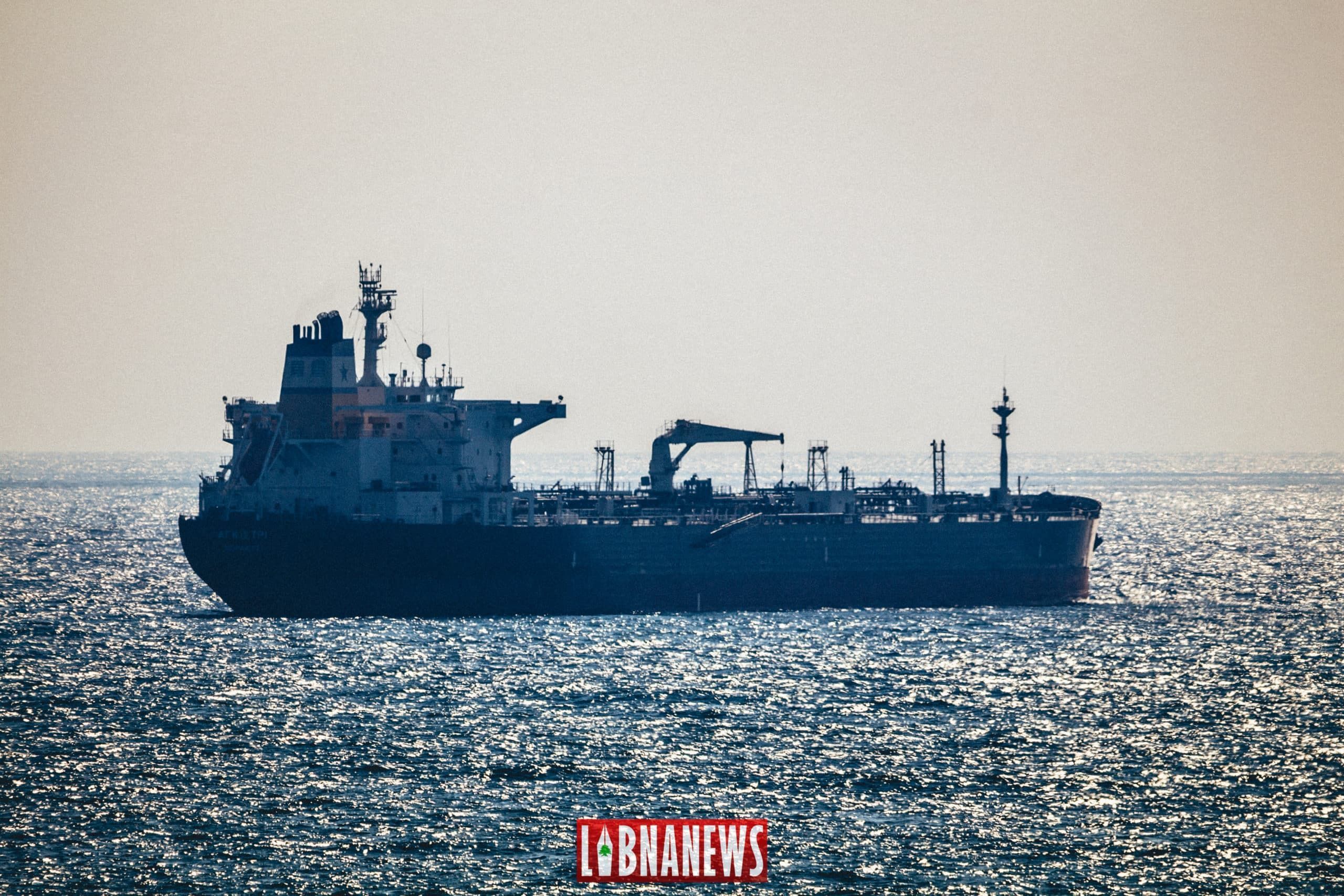
Illustration: tanker at sea, photo of the Libnanews fonds. Date of shooting and location not established; This image does not document a current passage in the Strait of Ormuz. © Libnanews.





Comments