

Did you know that? Parasol pine nuts do not form in a single season. The cones ofPinus pineamature over about three years. The same tree can therefore simultaneously carry first, second and third year cones: one harvest ready to go and two more in preparation.
A calendar visible in the branches
The parasol silhouette is familiar in Mediterranean landscapes. The trunk has a spreading crown, while the needles are grouped by two. The Royal Botanical Gardens of Kew place the natural area of the species from southern Europe to Lebanon. They describe cones that persist for several years and mature during the third.
Their size therefore varies with their age. In its 2012 presentation of the Lebanese industry, FAO describes a small first-year cone, followed by a second-year cone, the size of a nut, before final development. The different dimensions observed on a tree do not necessarily reflect poor growth: they can correspond to successive steps.
The gable is not a nut
The gable is a seed in the botanical sense. The clear part consumed in the kitchen is inside a hard envelope, itself protected in the cone. It is therefore necessary to open the cone, separate the seeds and remove their hull before getting the small gables ready to cook.
The FAO note highlights their place in Lebanese dishes, from meat or fish preparations to vegetables and sweets. It has a significant share of this activity in Metn and the Jezzine region. The parasol pine thus produces a food resource without the tree having to be cut down for its wood.
Harvest begins several years before harvest
This long cycle has one consequence: the harvest of a year depends not only on the conditions of the last months. A study published in 2021 inForestsreviewed data from 24 sites in Baabda and Jezzine districts collected between 2008 and 2017. The researchers studied both maturation year conditions and those of previous years.
Their results suggest a combination of climatic factors and bug damageLeptoglossus occidentalisin the observed decline in yields. They do not reduce this phenomenon to a single cause. These historical data do not constitute an assessment of the current harvest.
The presence of many cones therefore does not guarantee as many consumable sprockets: some seeds may be empty or damaged. The long work of the tree is extended by that of harvesters and sorting workshops.
Looking at a parasol pine, you see a single crown. But its branches house several calendars at once.
Sources:KewPinus pinea;FAO, 2012 note, pages 12-14;lebanese production study, 2021.
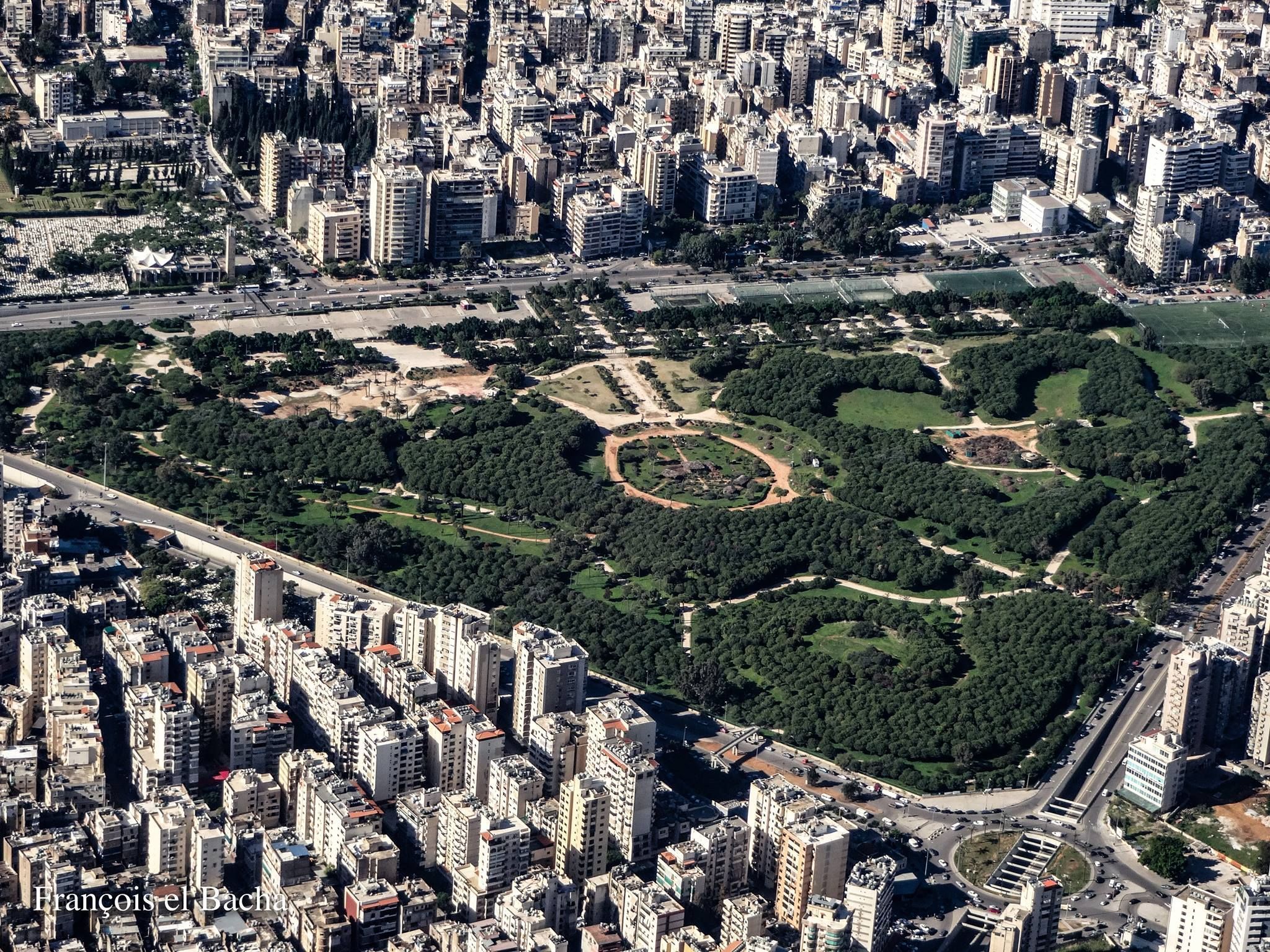
Cover photograph: aerial view of the Pine Forest in Beirut, archives. © François el Bacha / Libnanews.





Comments