

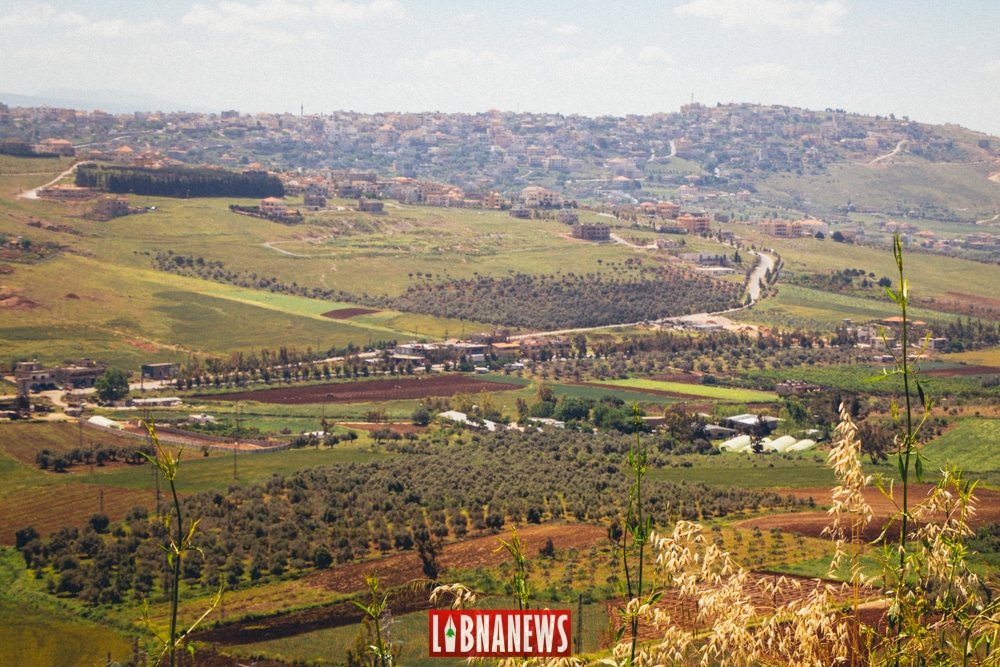
The 22 November broadcast of a video shot in the Debel public school put this border village of southern Lebanon at the heart of a controversy. In its response, the municipality recalled a much less visible problem: people have been living for months under Israeli military presence, with restricted movements. For those who choose to stay, the challenge is to be able to care for themselves, supply and send their children to school without depending on an exceptional passage.
A passing convoy does not guarantee the next one
Two East Work operations illustrate this difference. In April, the association announced the arrival in Debel of a truck carrying 30 tons of food and hygiene products, after two weeks without a convoy. UNIFIL escorted him. On 20 July, on the other hand, another convoy organized by the association turned around without reaching Debel, Ain Ebel or Rmeich. These episodes do not give the current state of the roads; they show that the passage of a delivery does not alone ensure continuity of supply.
On 28 July, a mission led by the United Nations humanitarian coordinator to Lebanon visited these three localities. Exchanges with the authorities and residents highlighted difficulties in accessing water, health and education, as well as disrupted livelihoods. The observation concerned the whole visit: it does not allow to quantify the needs of Debel alone or to know what services are functioning today.
Water and medicines, but also the right to move
In early November, Debel, Rmeich, Ain Ebel, Quuzah and Alma al-Sha`b presented their needs together in Bkerkeh. Their municipalities cited water, electricity, communications and access to fuel, medicines and food. A delivery can bring reservations; it does not replace network repair or continuous access to care. In the South, these conditions affect both families left behind and those planning to return.
After the video was published, the municipality of Debel explained that the visit had not been organised with the school and that the choice of residents to stay did not mean that they accepted the occupation. The right to remain at home and to return in secure conditions raise different questions. In both cases, the tangible signs to follow are the regularity of deliveries, the availability of services and the possibility of moving, not the mere presence of inhabitants in the image.
Humanitarian access to the post-FINUL test
Prime Minister Nawaf Salam called for the reflection on an international presence after UNIFIL to preserve, inter alia, the humanitarian access of Debel and neighbouring villages. The application does not yet set a mechanism or timetable. For the inhabitants, the challenge is precisely what will replace, where possible, the coordination that has allowed certain deliveries to arrive. A formula that maintains an international presence without defining how relief will reach villages would not answer that question.





Comments