

For Georges Khodr, living together was true to certain things: the possibility of returning to his village after the war, the freedom of conscience and the right not to depend on a community protector. Three texts of the Orthodox Metropolitan of Mount Lebanon follow this reasoning from 1991 to 2006.
1991: returning home beyond the borders of war
On 16 November 1991, Khodr wrote about families displaced during the civil war. He does not ask them to wait for abstract reconciliation. According to him, the return calls for a decision by the State. It defends the freedom to live in the region of its choice and the restitution of what families have lost. He also warned that making the complete reconstruction of the villages a prerequisite for their return would prolong exile by several years.
His point is as much about places as about people. In his view, the majority community in a region could not decide who could live there alone. He invokes human rights and his religious beliefs, but distinguishes reconciliation, which requires work between inhabitants, and public decision that makes it possible to return.
2004: freedom of conscience, beyond polite dialogue
In a text dated 13 March 2004, the Metropolitan examines a statement from a meeting of Muslim organisations and personalities in Beirut. It takes seriously the commitment to respect others. He then feels the significance of this by asking concrete questions: is equality valid between believers of different religions, between women and men, and for a person who wants to change religion?
These questions depart from the discourse of circumstance. Khodr does not claim that the text exhausts the diversity of Lebanese Islam. By reading it closely, it makes dialogue a place where disagreements can be expressed openly, without giving up in advance equal guarantees for everyone.
2006: a common State that leaves room for disagreement
16 December 2006, in Lebanon possibleKhodr goes from meeting confessions to exercising power. It combines the exit from clientelism with an administration based on competence and the conviction that it is actually represented in Parliament. He did not ask the Lebanese to adopt the same political choices. He asks them to dispute these choices without threatening the physical security or the rights of others.
The three texts therefore do not propose the same thing under three names. In 1991, the aim was to make possible a return. In 2004, verify the extent of freedom. In 2006, to make institutions work in disagreement. Khodr thus makes living together a matter of rights and public conduct, not a mere praise for diversity.
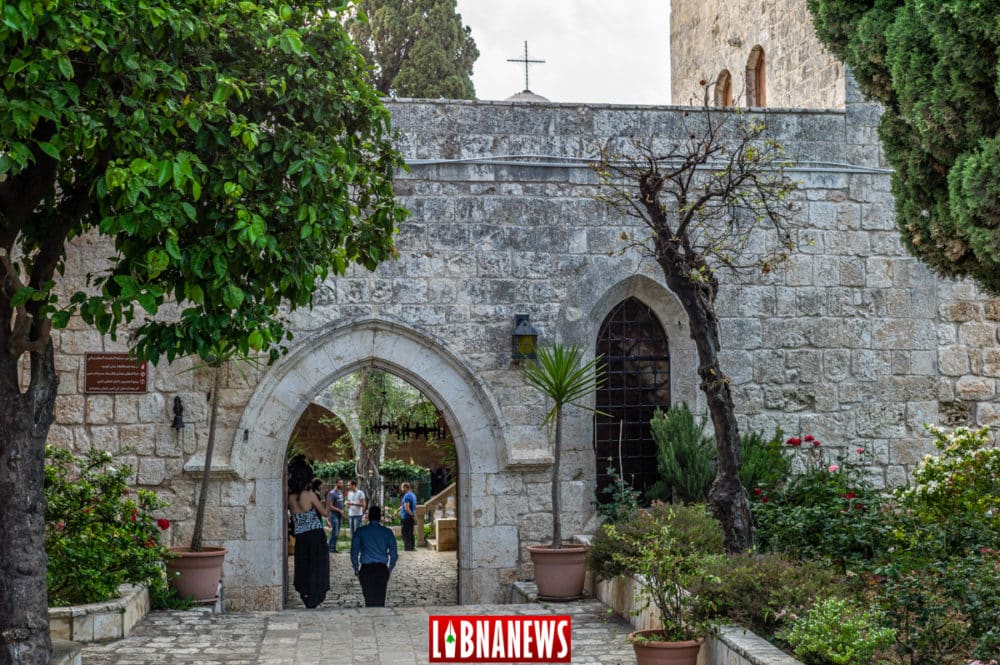
Photo archives: Balamand Orthodox Monastery, North Lebanon. François El Bacha / Libnanews.





Comments