

Lebanon refuses to allow the search for a settlement to lead to areas of security imposed by force on its territory. Ghassan Salamé took this position on 16 November in Phnom Penh, before the heads of delegation meeting at the Francophonie summit. The final resolution supports Lebanese sovereignty, the implementation of the ceasefire and the role of the army. However, it does not constitute a new security arrangement in the South or a timetable for withdrawal.
Refusal of areas imposed
The Minister of Culture spoke during a closed session of the twentieth summit, held on 15 and 16 November in the Cambodian capital. His intervention places the Lebanese case in a general principle: conflict resolution must respect recognized borders and the territorial integrity of States. In his view, circumventing these rules can produce fragile arrangements rather than lasting peace.
Salamé reaffirmed Lebanon’s commitment to the decisions of the Security Council and the Armistice Agreement. He rejected the security spaces that the force would impose inside the country. This declaration sets out a Lebanese diplomatic line; It does not announce that an agreement on security arrangements has been reached with Israel.
The minister also called for concrete support for the inhabitants of the southern villages. He cited forced displacement and the destruction of communities among the situations to which Francophone partners should respond. No new funding or costed aid mechanism shall accompany this intervention.
What the adopted text says
The resolution on crises adopted in Phnom Penh devotes three paragraphs to Lebanon. The participants condemn the deadly attacks on civilians, the destruction of infrastructure and cultural property, as well as attacks against the Lebanese army and UNIFIL. They call for their cessation and respect for humanitarian law.
The text supports the Beirut-Israel talks and calls for the implementation of the ceasefire and the commitments of the trilateral framework agreement of 26 June 2026. It reaffirms respect for the sovereignty and territorial integrity of Lebanon.
Institutional support also includes reform and implementation of Security Council resolutions, including the disarmament of non-State militias. The resolution values the role of the army and invites Francophone partners to strengthen their political, technical and financial support. It does not set an amount or schedule. Its content is a collective position, not a new international mission.
A separate sequence of discussions on post-FINUL
The scope of these statements is also reflected in the simultaneous consultations in Beirut. On 16 November, Nawaf Salam asked Mike Waltz, United States Ambassador to the United Nations, to maintain an international presence in the South under the mandate of the Security Council. He has been active in observation, reporting, coordination, liaison and military support.
The Prime Minister also called for a timetable to advance the Israeli withdrawal and the extension of State authority, with verification of the commitments of both parties. These requests are not new provisions of the Francophone resolution. They concern arrangements that Lebanese officials wish to see negotiated in another forum.
Three texts, commitments to be implemented
The summit concluded with the adoption of a general declaration, the resolution on crises and a call for the protection of cultural heritage. The latter includes combating trafficking in cultural property and its restitution. For Lebanon, whose peace and heritage concerns had been highlighted by Salamé, those commitments provided a framework for diplomatic mobilization.
They do not replace the necessary decisions on the ground. The distinction remains essential between support for sovereignty, expressed in the texts, and concrete measures for the return of inhabitants, the protection of villages and the implementation of security arrangements.
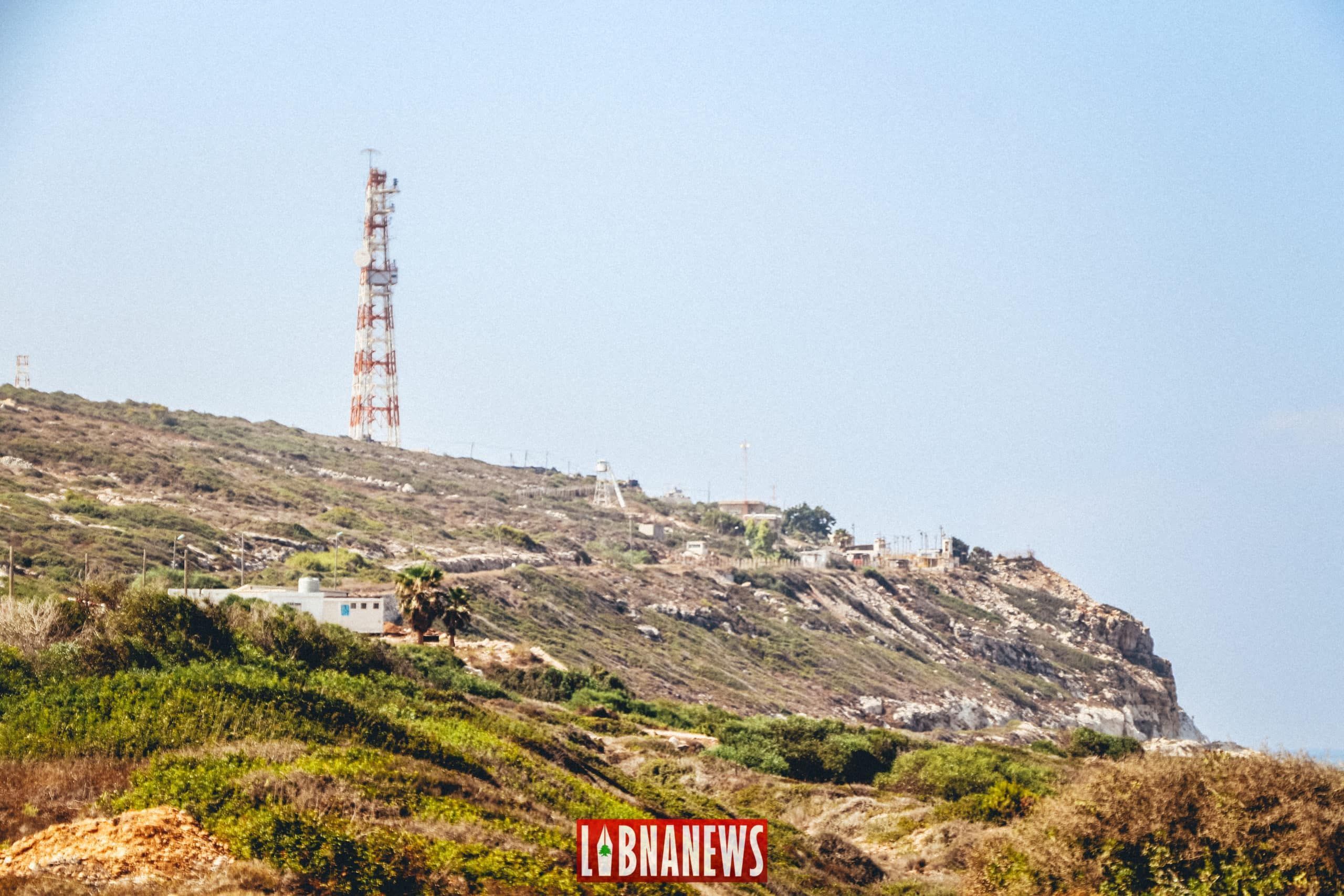
Illustration: Ras Naqoura and the Blue Line, archival photograph published in August 2019. This image does not represent the top of Phnom Penh. © François el Bacha / Libnanews.





Comments