

The results published by Emirates on 5 November 2026 measure the cost of a disturbed semester, not the daily situation of flights in November. For the company alone, the after-tax profit for the six months ended September 30 reached 3,3 billion dirhams, down 66%. The group, which also includes dnata, has 3.6 billion.
Traffic is falling more than revenue
Between April and September, Emirates carried 21.8 million passengers, a decrease of 22% over one year. Its revenues fell by 13% to Dirham 56.9 billion. As of September 30, the company reported operating 91% of its network prior to regional disruptions.
These indicators are not interchangeable: a new destination does not mean that all of its frequencies or passengers have returned. Data from a single company also do not measure the activity of the entire Dubai airport.
Fuel, a partially cushioned shock
According to the semi-annual accounts, fuel expenditures increased by 60 per cent before financial cover. Gains of 7.1 billion dirhams from this risk management reduce the net increase to 13%. The company therefore remains a beneficiary despite the contraction of its business.
Financial cover is intended to reduce exposure to price changes. It does not address cancellations or detours. Similarly, an accounting profit is not confused with cash available: these two measures answer different questions.
This review documents a completed period. It alone does not provide for the annual result, ensure the maintenance of a flight, or provide a specific effect on flights to Beirut.
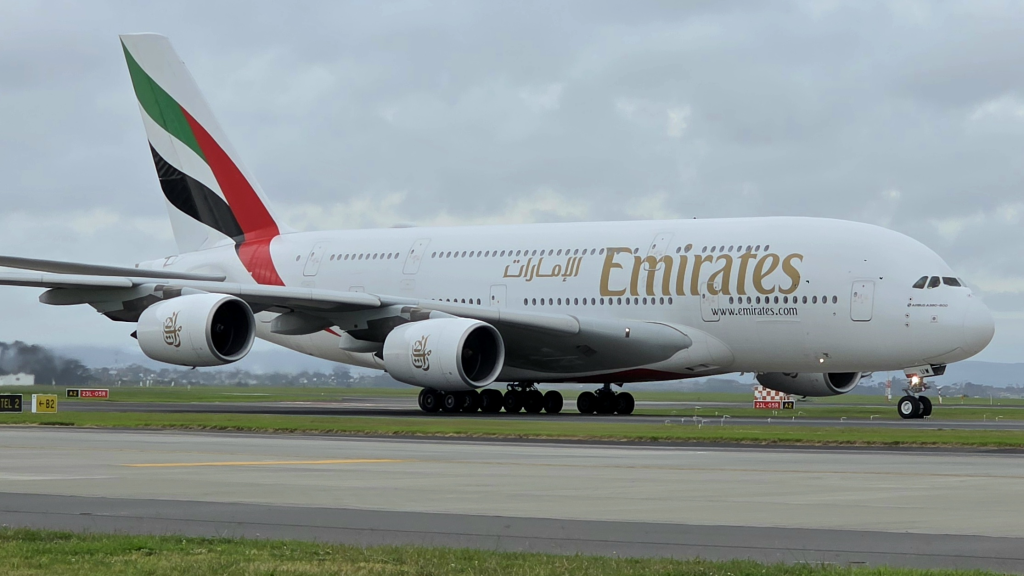
Archive photo: Airbus A380 Emirates A6-EUW in Auckland, May 8, 2026, unrelated to an account publishing scene. Umedha Hettigoda, via Wikimedia Commons,CC BY-SA 4.0. Photograph without editorial dressing.





Comments