

The Free Patriotic Movement (LCP) published on 27 November the list of fourteen candidates admitted to the election of its political council, scheduled for Tuesday, 1 December. The election does not concern the party’s presidency or parliamentary mandates. It must renew the members appointed by the National Council by voting in a body which also includes ex officio members and appointed members.
A vote of delegates, not an election of all members
The date of the election is issued by the body responsible for supervising the internal elections. It is signed by its president, the secretary general of the CPL Jihad Salameh. It distinguishes what is acquired, the admissibility of the fourteen candidates, from the result of the vote, which has not yet taken place. The list does not indicate the number of votes to be obtained or voters’ preferences.
Article 23 of the general regulation published by the party in 2018 provides that the National Council shall elect six members of the political council outside its own ranks. The text does not therefore entrust this choice to all members. It also provides that the president of the party shall preside over the political council, that the two vice-presidents and the elected representatives and ministers of the party shall sit in accordance with the rules laid down in the text, and that the president shall appoint three other members. The vote only renews part of the council.
A body that participates in the choices, distinct from the partisan executive
The regulation gives the political council a role in defining the line of the CPL and in examining its economic, social or electoral guidelines. The National Council intervenes in the follow-up of general guidelines. The implementation of this line in institutions is entrusted to a separate executive body. Entering the political council therefore changes which participates in internal deliberations; This does not give a Tuesday elected official the power to decide on an alliance alone or to sign an agreement on behalf of the party.
The same regulation favours consensus. On major national issues, it provides for a vote when consensus is lacking and, depending on the result, a referral to the National Council. This framework gives content to the renewal of seats, but the only list of candidates does not allow to announce a change of political line. The first item to be checked after 1 December will be the minutes or results published by the internal electoral body.
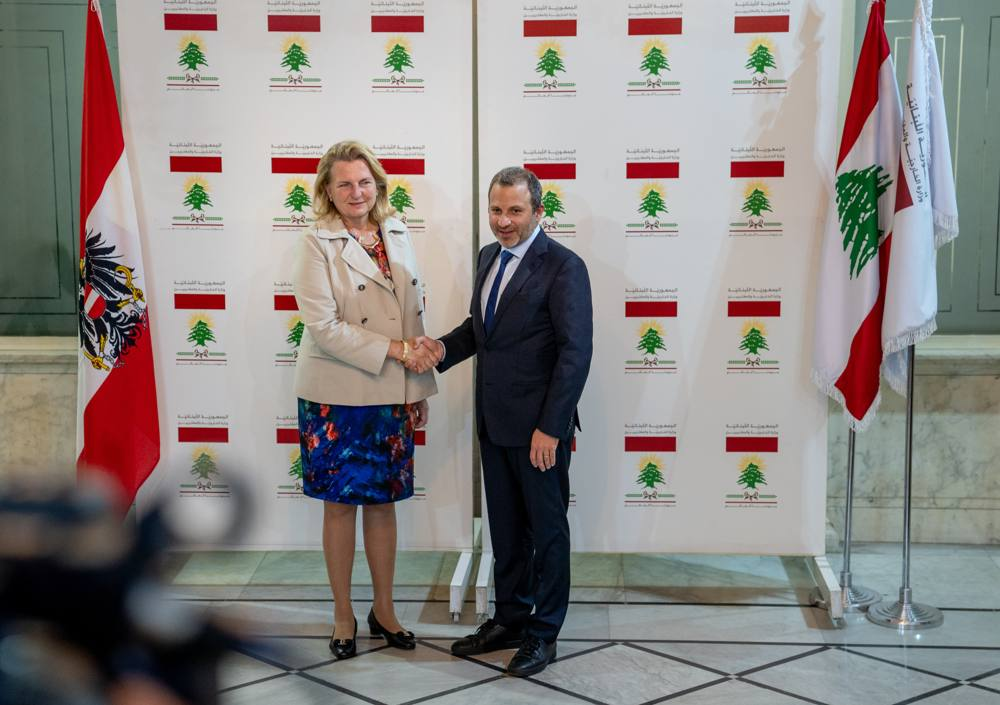
Photo archive: Gebran Bassil and Karin Kneissl in Beirut, October 1, 2018, not the announced election. Austrian Ministry of Foreign Affairs / Wikimedia Commons, CC BY 2.0.





Comments