



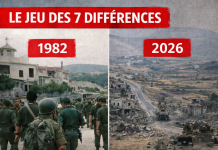
From ALS to annexation: why 2026 no longer looks like 1982 in South Lebanon
Since the end of March, Israeli leaders have been talking no more about repelling Hezbollah. They describe a project to control southern Lebanon up to Litani, with the destruction of border villages, the ban on return for hundreds of thousands of displaced persons and, among some officials, the assumption of speeches on a new Israeli border. Compared to 1978 and 1982, this strategy marks a break: once supported by the ALS and a local facade, the occupation envisaged today appears more direct, more territorial and closer to a logic of annexation.
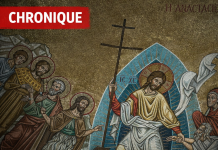
Good Friday, the time of humility and the time of the day; hope of...
Good Friday invites silence, recollection and humility in the face of suffering. In a Lebanon affected by crises, deer and war, this day recalls a simple demand: to stay close to the wounded, the forgotten and the most vulnerable, without ever giving up the inner hope.
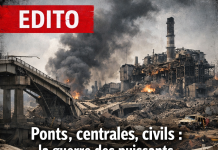
Bridges, centrals, civilians: the war of the powerful does not erase the law
By threatening Iran's bridges, power plants and vital networks, Washington puts a simple question in the foreground: how far can we destroy without leaving the law? For Lebanon, there was nothing in this debate. It refers to a specific memory: that of hit civilian infrastructure and a population taken in vice.

Trump Attacks Macron on Personal Field
Donald Trump attacks Emmanuel Macron on the personal ground, in the midst of a crisis between Washington and Paris around Iran and d-Ormuz.

Gasoline: the shortage is gaining ground
More and more countries are rationing petrol. In France, stations are broken. In Indonesia, civil servants go to telework.
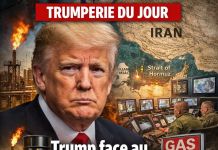
Trump facing the rising cost of war with Iran
Trump struggles to finance the war with Iran between appeal to Arab countries and growing resistance to the US Senate.
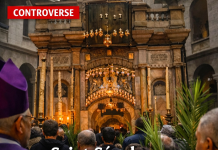
Holy Sepulcher: why the absence of Mass counts
Holy Sepulchre: Why the absence of Palm Mass in Jerusalem goes beyond the incident and touches the very heart of the Christian faith.
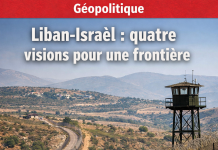
Lebanon-Israel: Four visions for a border.
The Lebanese-Israeli border concentrates four Israeli visions mixing pragmatism, strategy, religious memory and biblical imagination. From Litani to Awali to the controversial concept of Greater Israel, these competing readings shed light on tensions around Lebanese sovereignty, Hezbollah and a border that is constantly redefined by conflicts.
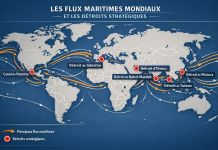
The straits of the world or the secrets of power
The major sea straits, from Ormuz to Taiwan, concentrate a decisive part of world trade, energy and technology. Their vulnerability makes them major geopolitical levers: at the slightest block, costs are exploding, supply chains are growing and the global economy is squandering as a result of a local incident.
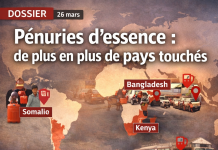
Gasoline: Shortage becomes a global risk
Gasoline shortages: more and more countries are experiencing supply tensions, rationing and rising prices after the strikes against Iran.
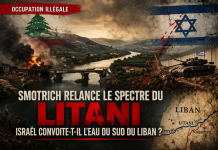
Smotrich revives the Litani spectrum: Does Israel covet the water of southern Lebanon?
Smotrich's call to annex to the Litani raises an old question: Does Israel covet the water of southern Lebanon?
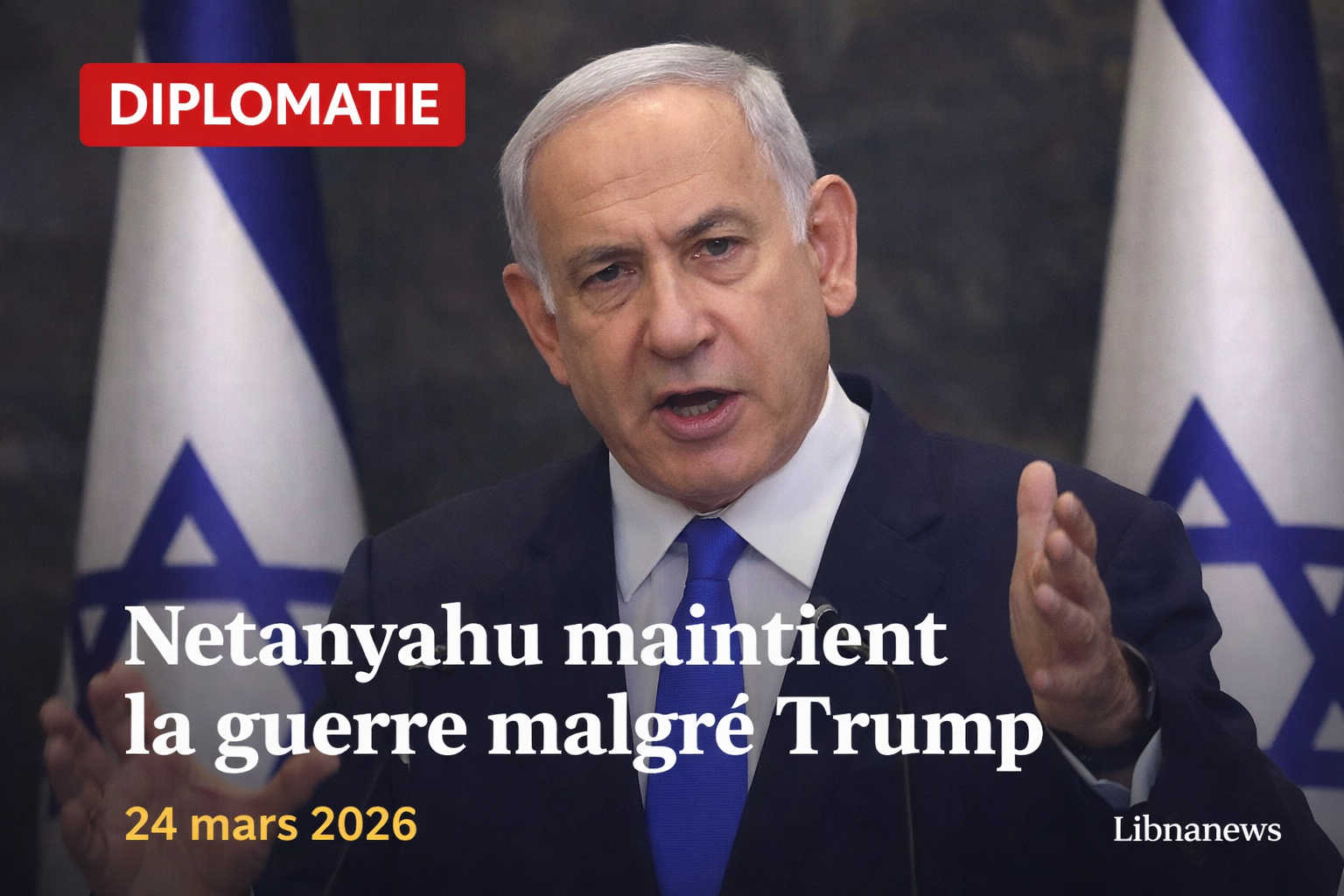
Netanyahu maintains war despite Trump
Netanyahu wants to continue the war against Iran and Hezbollah despite Trump's diplomatic opening.

Prohibited games, or when it is understood that no one is sheltered
Through the memory of the forbidden Games, the war recalls that there is no long-term protection from exile. When the bombings throw civilians on the roads, a society reveals itself in its way of looking at the displaced: with rejection, fear, or fidelity to a basic requirement of humanity.
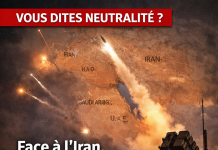
Faced with Iran, Arab neutrality under tension
In the face of Iran, Arab capitals are cautiously neutral, but intercept missiles and drones while inserting into American defence devices. This ambiguity reveals a selective non-belligerence, between regime protection, fear of regional escalation and a growing risk of internal tensions in several Gulf states.



