

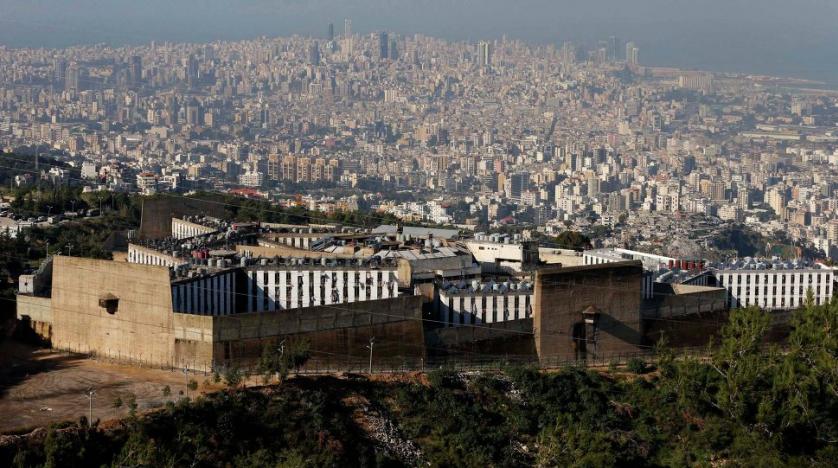
On Wednesday, 25 November, the Committee on the Families of Prisoners reported that the first amnesty measures had begun to apply in the B building in Roumieh. This testimony has been new since the protests at the beginning of the month. It does not provide an official statement of releases or the legal basis for each detainee.
Families have been demanding for several weeks to examine individual situations. The prison includes convicted persons and others who have not yet been tried. The institution or building in which they are held does not determine their eligibility.
A full amnesty and a reduction of sentence are not the same
Act No. 70 of 4 September 2026 covers offences committed before 1 March 2026 for its amnesty component. When the facts are covered, the public prosecution is extinguished and the main sentences handed down are deleted. The list of exclusions includes cases referred to the Justice Council, terrorism offences, offences against public funds and sexual violence. The exclusion of full amnesty alone does not lead to the conclusion that a case is excluded from any measure provided for by law.
Article 3 deals separately with sentencing reductions. In particular, it provides for a reduction of one third of some remaining sentences. The Constitutional Council clarified that the special conditions relating to the law of the civil party apply to all intentional homicides covered by articles 547 to 549 of the Criminal Code. It also harmonized the deadline for drug offences that could be covered by full amnesty. It is therefore necessary to read the law with the decision of 12 October, and not only from the text published in September.
Pre-trial detention follows a separate rule
Article 5 provides for the release of persons who have not been tried for acts prior to 1 March when their detention exceeds 12 prison years within the meaning of the text. Criminal proceedings continue. This mechanism differs from acquittal to the termination of the public action.
In practice, the competent judicial authorities must verify the date of the facts, the qualification of the offence, the situation of the sentence or detention and the existence of another form of detention. The prison administration executes the decisions: it does not designate beneficiaries according to the building. The reporting of the first measures by the families therefore does not give the detainees in Roumieh a common deadline or list of cases settled.
Illustration: Roumieh prison, photo of Libnanews archives. It does not show the measures announced by the families on 25 November.





Comments