

Digital payments in Palestine will evolve within a new data protection framework. Decree-Law No. 24 of 2026, signed on 12 October and published on 27 October, is due to enter into force on 26 November. However, this date does not mark the completion of compliance: the bodies concerned have 12 months from publication, with a possible extension of the same duration.
Digital payments: two separate schedules
This chronology changes the reading of a 7amleh report published on November 4. Based on a literature review and ten interviews, the study concludes its observations on 1 October. It then described the lack of a comprehensive personal data law. Consequently, the publication of the report does not mean that its legal status includes subsequent decisions.
The gap does not invalidate all of its observations. The report raised approximately 1.4 million electronic portfolio accounts in January 2026, including 1.07 million in Gaza. He stressed that their growth also reflected the deterioration of banking channels and difficult access to cash. These figures include accounts, not separate individuals, and do not describe the November situation alone.
Rights, but not a veto on each exchange
The law provides for rights of access, correction, conditional deletion and transfer of data. Consent is not the only basis for treatment. Article 25 also provides for exceptions to consent and information for certain banking, credit, transfer and card transactions, in accordance with applicable legislation.
Therefore, a user cannot deduct from the new law that any financial transmission requires his or her individual consent. Conversely, an exception to consent does not mean that all other protection obligations disappear. The examination shall cover the nature of the operation and the provisions actually applicable.
The distinction between the adoption of a rule and the practical outcome remains essential. A wallet may be opened without the holder having at the appropriate time a connection or access to cash. The number of accounts and the legislative timetable answer two different questions. In order to assess the service rendered, it is necessary to check the concrete conditions of payment and the procedures available in case of difficulty.
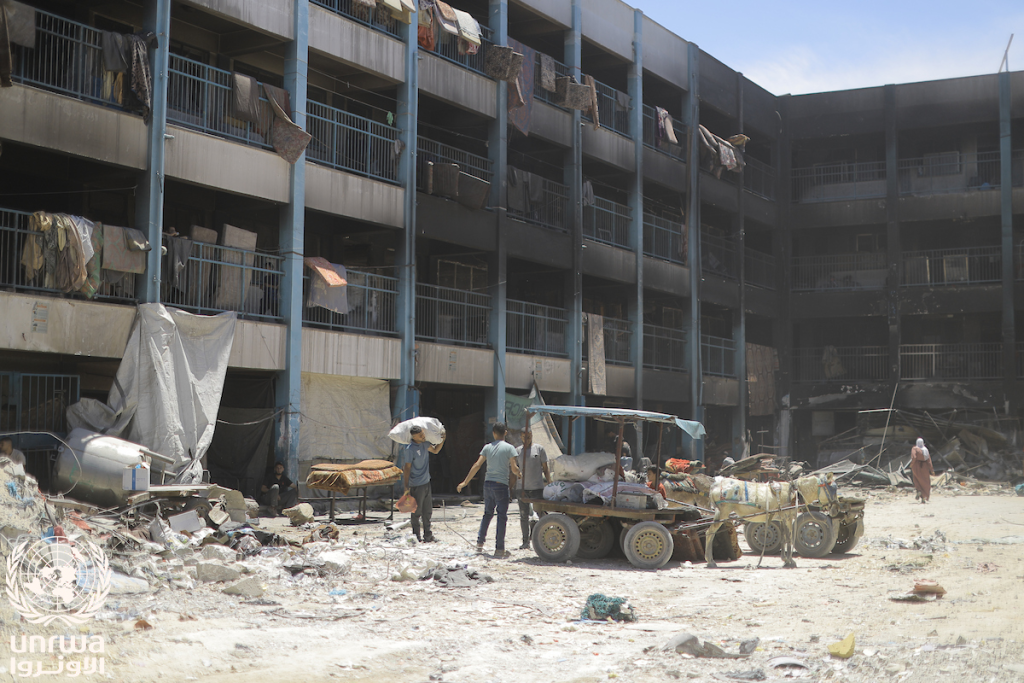
Illustration: Jabaliya, May 31, 2024. Photograph by Hussein Jaber / UNRWA, CC BY-SA 3.0 IGO, unchanged. It does not represent a payment or the situation of November 2026.





Comments