

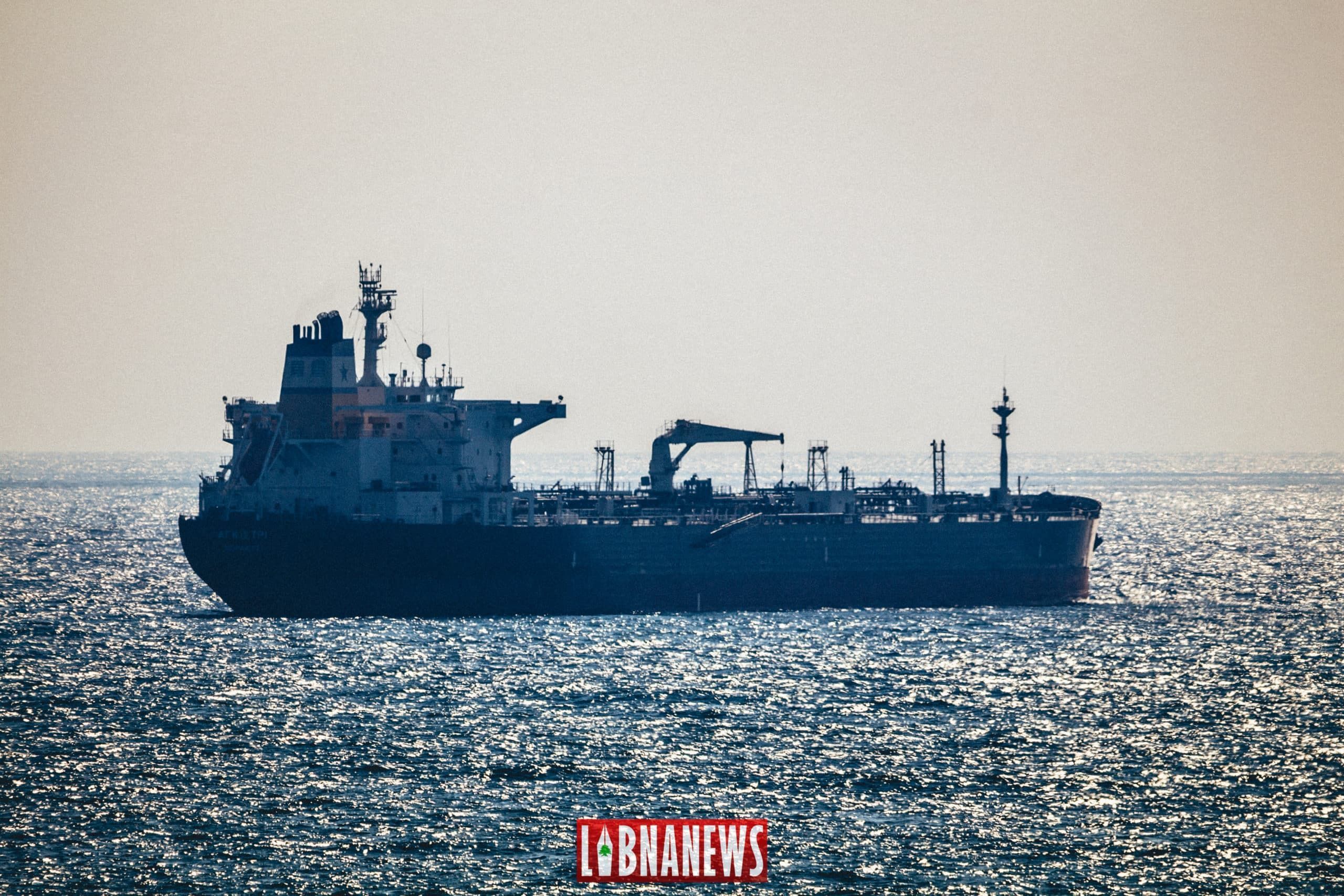
Oil cargo is declining on the link between the Gulf of Oman and China. In his November 13, 2026 statement, the Baltic Exchange placed TD34 at 310.71 Worldscale points. This movement concerns the chartering of the very large tankers, the VLCC. It does not measure the price of either barrel or fuel at the pump.
Oil freight that remains specific to each road
The same bulletin estimates the TD3C link from the Middle East to China for a cargo of 270,000 tons at 1,014.38 Worldscale points. Both references refer to separate routes. Their difference cannot therefore be read as if they correspond to the same journey sold by two carriers.
The Baltic Exchange also reported a decline on several routes in the Suezmax segment, which uses smaller vessels. Thus, the decline is not limited to the Oman-China axis alone, but its scale and level of departure vary according to the markets.
Worldscale: a percentage, not a price in dollars
The Worldscale system is based on a reference tariff established for a given voyage, taking into account, inter alia, the ship, its speed, its consumption and the conditions of the voyage. The negotiated rate is then expressed as a percentage of this base. WS 100 is 100% of the reference tariff; WS 120 at 120%.
A WS 310.71 level means 3,1071 times the corresponding base. It does not mean $310.71 per tonne. As a purely educational measure, with a fictitious base of $10 per tonne, this rate would yield $31.071 per tonne. In order to establish an actual invoice, it is necessary to know the basis applicable to the trip and the terms of the contract.
A drop in transport is not a drop in oil
For a purchaser of crude oil, the marine cost is a component of the delivered price, distinct from the price of the cargo. An economy on charter can thus ease logistics without cheaper oil being purchased. Conversely, an increase in the barrel can absorb this gain.
The right indicator to follow remains the same, with a constant definition and comparable dates. Mixing a cargo index, a ship’s daily income and a quotation of the crude would give a misleading picture of relaxation. The decline between Oman and China indicates first of all the price of shipping, not the total energy bill.





Comments