

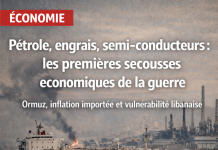
Oil, fertilizers, semiconductors: the first economic shocks of war
The war already caused its first economic turmoil: rising oil, more expensive fertilizers, disturbed freight and risks on semiconductors. For Lebanon, which is a fragile and dollar-dependent importer, this shock threatens the prices of bread, electricity, medicines and the whole economy under stress.
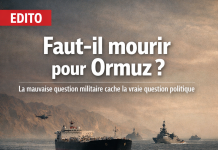
Should we die for Ormuz?
In this editorial, François El Bacha reveals the illusion of an obvious military response to the Ormuz crisis. Behind the call to secure the Strait, he sees an attempt to pool the human costs of an escalation decided elsewhere, without a clear mandate, without an exit strategy or credible political framework.
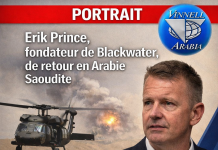
Erik Prince, founder of Blackwater back 2/2
In this second part, René Naba analyses the return of Erik Prince and the role of private military companies in Saudi and Gulf security. Between Blackwater, Vinell Arabia, electronic dams and Israeli-Western alliances, the article sheds light on geopolitical, military and strategic logics at work in the region.
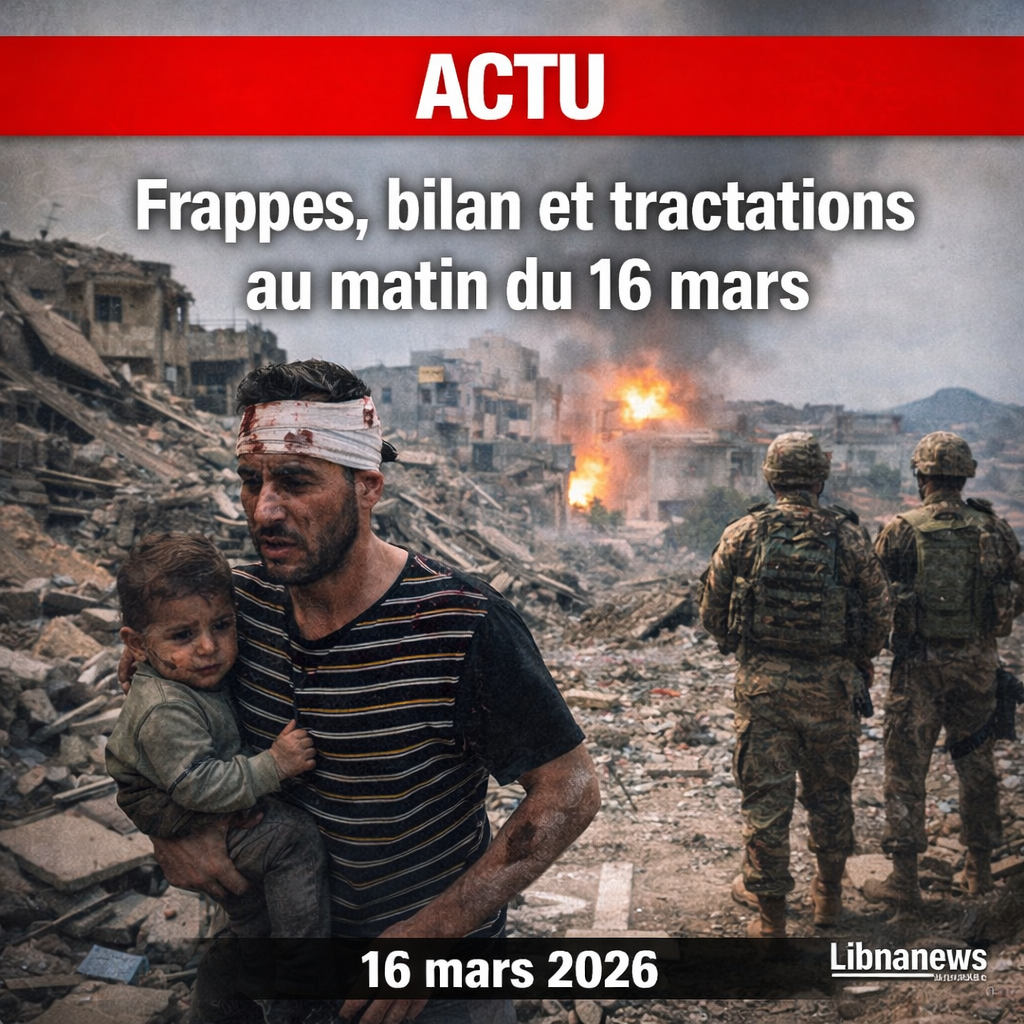
Lebanon: strikes, balance sheets and deals in the morning of 16 March
On the morning of 16 March 2026, Lebanon faced an intensification of the strikes, an increasingly heavy human balance and still uncertain diplomatic negotiations. Between military operations in the south, mass displacement and humanitarian emergency, the situation remains extremely volatile throughout Lebanese territory.
France proposes an end to the war in Lebanon, with Israel’s recognition on the...
France has drafted a proposal to end the war in Lebanon, according to Axios. The text, considered by the United States and Israel, would provide for an unprecedented step: the recognition of Israel by the Lebanese government. This initiative comes as Israel prepares a land offensive south of the Litani and Lebanon goes through one of the most deadly phases of the recent war.
Traders, families, services: war first destroys daily savings
In Lebanon, war begins with the daily economy. Local businesses, displaced families and essential services suffer from the immediate effects of escalation. With more than 800,000 displaced persons and saturated services, the crisis not only destroys infrastructure: it breaks the ordinary economic circuits that hold society.

Does the world enter into stagnation?
The world is not yet in global stagnation in the strict sense, but is evolving in a weaker, more fragile and more shock-prone growth regime. The conflict in the Middle East, the tension around the Strait of Ormuz and the rise of oil rekindle the risk of a dangerous mixture between soft growth and inflation. From France to the United States, from the Gulf to Lebanon, the challenge is no longer just growth, but its quality, strength and ability to withstand a sustainable energy shock.
Lebanon’s trade deficit reached $17.44 billion in 2025
In 2025, the Lebanese economy remained marked by strong imbalances. The trade deficit reached $17.44 billion, while inflation slowed to 14.6%. Despite a surplus in the balance of payments and the resumption of air traffic, bank deposits, credit and the stock exchange were declining.

Lebanon rose to 162nd place on women’s economic rights in 2026
Lebanon has won six places in the World Bank's 2026 global ranking on women's economic rights, but its score of 46.8 out of 100 for the legal pillar remains well below the world average. The country appears particularly weak on support frameworks and on the effective application of the rules. This gap between written law, institutions and economic reality limits women's autonomy and hinders productive potential.

The forgotten of war: detainees, families and the right to a reply
In Lebanon at war, detainees and families become the forgotten of an emergency saturated by strikes and diplomacy. Between institutional silence, endless expectation and the recurring issue of the general amnesty, their fate reveals the fragility of the state, justice and the right to a clear response.
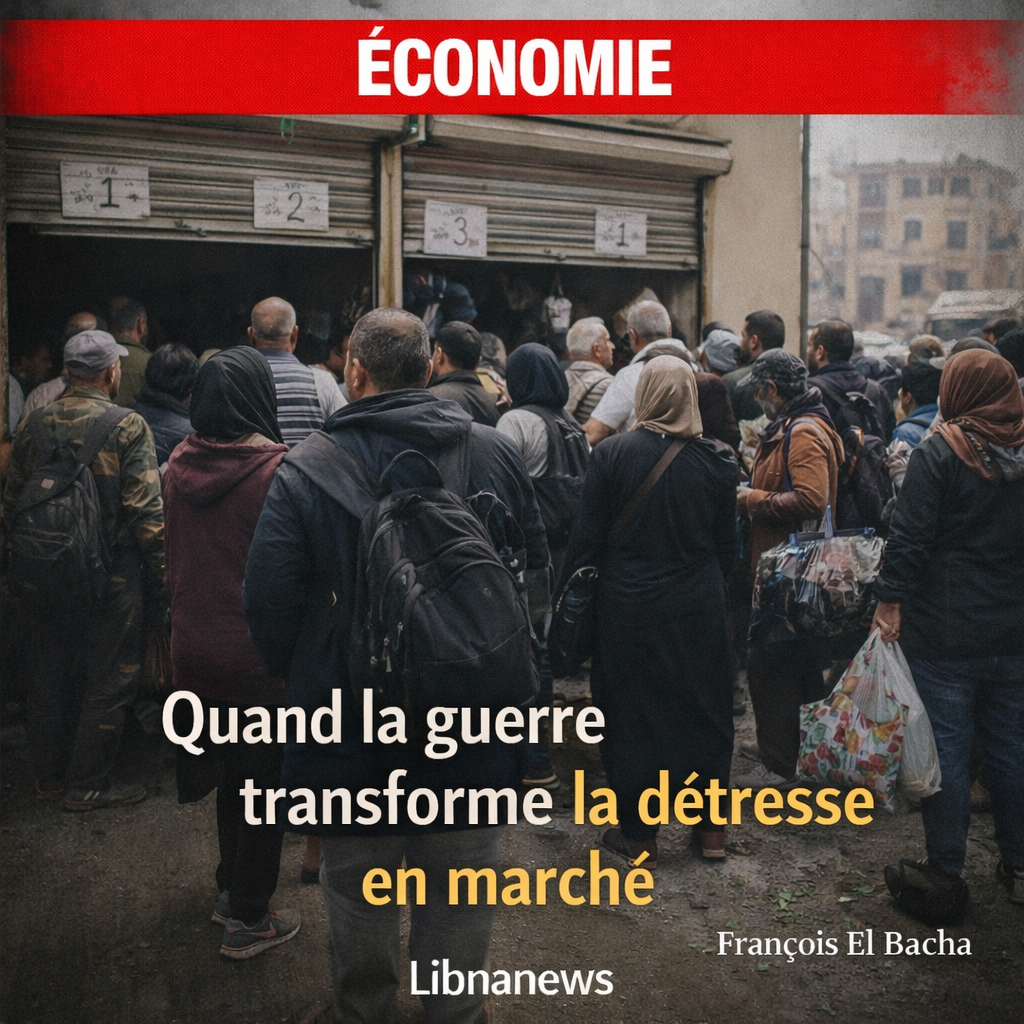
When the crisis feeds fraud: Lebanon’s other economy at war
In Lebanon, the war feeds a parallel economy of scams, abusive housing and false intermediaries. With more than 500,000 internally displaced persons and 45 per cent inflation, the crisis is turning the emergency into a market and exposing the most vulnerable to predation that worsens their survival.
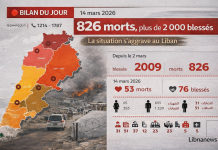
War in Lebanon: 826 killed by Israeli strikes and 2,009 wounded
In Lebanon, 826 people were killed and 2,009 injured since 2 March, with 31 caregivers killed and 5 hospitals closed.
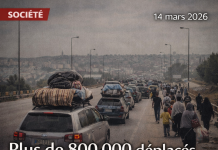
More than 800,000 IDPs: Lebanon’s new emergency geography
With over 800,000 displaced, Lebanon is entering a new geography of emergency. The South is emptying, Beirut and Mount Lebanon are saturating and collective centres are increasing, transforming the territory into a space of forced circulation and lasting humanitarian crisis.
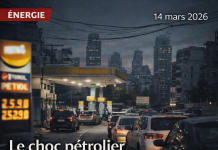
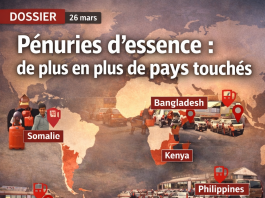
Regional oil shock also threatens Beirut
The regional oil shock threatens Beirut directly. The war around Iran and tensions in Ormuz increase fuel, diesel, transport and electricity in an already fragile Lebanon. For households, businesses and services, expensive energy becomes another form of war against everyday and urban life.