

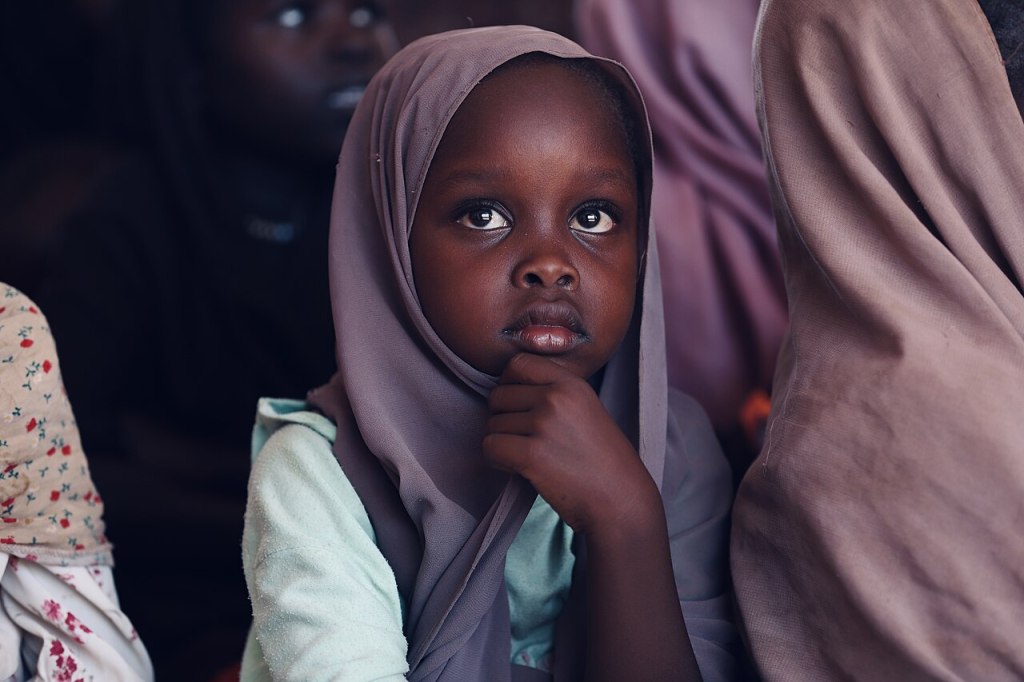
Emergency shelter in the Sudan may be lacking for millions of displaced persons. The Office of the United Nations High Commissioner for Refugees (UNHCR) and the International Organization for Migration (IOM) launched this alert Friday, 6 November 2026. Needs are increasing as their reserves and funding run out as winter approaches.
In their joint communiqué, the two agencies estimate that 15.4 million people need emergency accommodation and essential household goods. Without resources, humanitarian organizations can give priority to only about 10 per cent of the population. At this stage, 936,000 people were actually assisted.
These two indicators therefore do not describe the same reality. The first corresponds to the share of needs selected for intervention. The second measure is already assisted, representing about 6% of the identified needs. The gap remains considerable, even within the limited scope of the proposed response.
Emergency shelter in Sudan: empty warehouses
From Khartoum, IOM head of mission in Sudan, Mohamed Refaat, described the situation at a UN press briefing. His organization distributed over 40,000 tents this year. But his warehouses are now empty, he said.
According to him, sixteen trucks arrived in Darfur on Thursday, 5 November. However, they carried the latest available stocks. IOM is seeking flexible funding to replenish its reserves and continue distribution in hard-to-reach areas.
Mohamed Refaat also reported better humanitarian access than a year ago. This improvement is not enough to resolve the shortage. Being able to reach certain communities no longer guarantees the necessary equipment to help them.
Returns do not guarantee housing
The gradual decline in the number of internally displaced persons does not mean that the needs disappear. IOM reports 8.6 million people still displaced in the Sudan and some 5.2 million returns. These figures should not be confused with those of those in need of shelter and supplies.
Families returning may find houses destroyed or looted. Water, electricity and care can also be lacking. According to Mohamed Refaat, some are at risk of leaving because of the lack of conditions to stay. Others continue to flee fighting for the second or third time.
Cold increases immediate needs
UNHCR Deputy Representative in Sudan, Abubakarr Jalloh, highlighted the risks associated with winter. Nights can be very cold in Darfur. In the north of the country, temperatures may fall below 10 °C. Infants and the elderly are particularly vulnerable when they lack adequate coverage and shelter.
The manager also highlights the protective function of tents and basic equipment. A closed space brings privacy. A solar lamp facilitates night travel. These needs include women and children, who account for three quarters of the displaced according to the agencies.
Two financing, two separate deficits
The collective response to shelters required $179 million in 2026, according to UNHCR. Only 35 per cent of this amount was funded. This specific budget differs from the overall humanitarian plan for the Sudan.
The latter claims $2.9 billion to help 20 million people out of 33 million in need. The United Nations indicates that it is only about 47 per cent funded. Agencies are now seeking contributions to renew stocks, while families continue to arrive at displacement sites and return to damaged homes.





Comments