

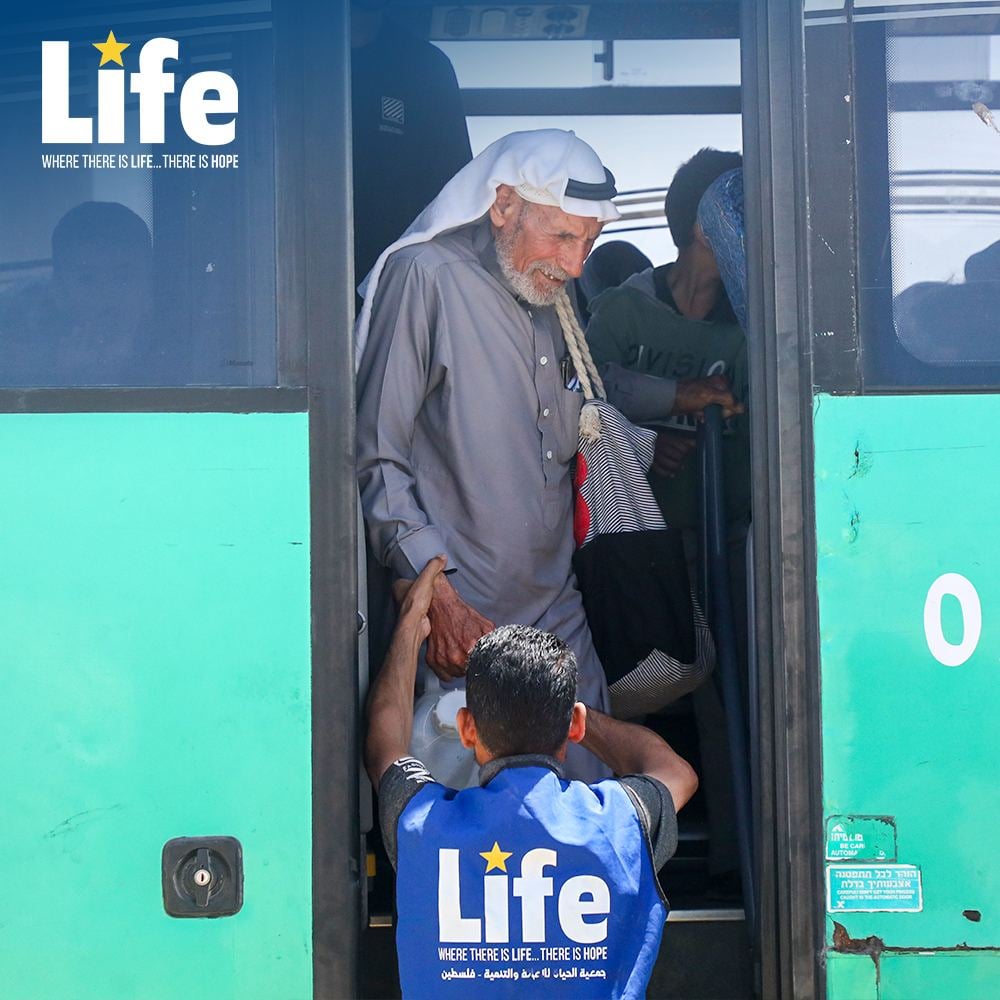
As people age, their health, social and psychological needs often become more complex, particularly in contexts marked by poverty, conflict and natural disasters. In Lebanon, the growing number of older people highlights the need for greater healthcare, protection and social support, especially as many face difficult economic circumstances and limited access to essential services.
According to the United Nations Population Fund (UNFPA), approximately 765,000 people aged 60 and above live in Lebanon, representing around 11.2% of the country’s total population. This figure was projected to reach 1.7 million, or 27.1% of the population, by 2025.
Economic hardship is also a major concern. Around 15.4% of older women and 13% of older men live on incomes below half the national average, while poverty affects approximately 33.7% of older women and 35.8% of older men.
Growing Health, Psychological and Social Challenges
Older people face a range of health challenges that can significantly affect their daily lives, including deteriorating hearing and vision, joint problems and reduced mobility, as well as a higher risk of chronic diseases such as diabetes, hypertension and heart disease.
These challenges are often accompanied by psychological and social difficulties. The loss of a spouse, children living far away, loneliness and social isolation can all affect an older person’s emotional well-being and increase the need for companionship, psychological support and continued social engagement.
Limited financial resources can further restrict access to healthcare, medication and other essential services, leaving some older people particularly vulnerable.
Healthcare and Psychological Support as Humanitarian Priorities
In countries affected by poverty, armed conflict or natural disasters, humanitarian assistance is frequently directed toward the most urgent needs. Yet the specific needs of older people must also be integrated into humanitarian responses and community development programs.
Vicki Roob, Director of LIFE’s National and International Programs, said that according to UNFPA, people aged 60 and above account for approximately 8% of the world’s population. In the Arab world, the number of older people is expected to increase from around 27 million in 2015 to 50 million by 2030 and more than 80 million by 2045.
She noted that in some Arab countries, the proportion of older people could exceed the proportion of children under the age of 15 by the middle of the century, including Lebanon and some countries in the Gulf and Maghreb regions.
Roob explained that, over more than 34 years of humanitarian work in 60 countries, Life for Relief and Development (LIFE) has sought to include older people among those benefiting from its humanitarian response. Its support encompasses emergency assistance, assistance to refugees and displaced communities, sustainable development initiatives, healthcare, access to clean water, seasonal aid, family support, sponsorship programs and education.
Older People in Displacement Camps: Needs That Cannot Wait
Mohammad Al-Sharif, Director of LIFE’s office in Lebanon, explained that the organization supports older people living in care homes regardless of their religious background.
Support includes spending time with older people, engaging them in conversations and listening to their stories, while providing healthy meals and symbolic gifts and assessing their individual needs.
The organization also seeks to help older people maintain contact with their families through technology workshops, while encouraging educational and recreational activities that allow them to remain socially engaged and benefit from their experience and knowledge.
Healthcare support includes providing medication, conducting regular medical examinations, ensuring continuity of treatment and, when necessary, providing nursing services and mobile medical teams.
Other forms of assistance include food, clothing, blankets and financial support, particularly for older people who are caring for orphaned children.
Psychological Support: Addressing Loneliness and Isolation
Psychological support is another important component of assistance to older people. Listening sessions, social activities and opportunities for community participation can help reduce feelings of loneliness and isolation.
Some older people may also hesitate to ask for assistance because of a strong sense of dignity and self-reliance. This can be particularly true among those living with disabilities or chronic illnesses, making proactive outreach and regular follow-up especially important.
War Increases the Burden on Older People
Wars and displacement can place additional pressure on older people. Some lose their children, sources of income or homes, while others suddenly find themselves responsible for grandchildren or other children in their families.
During periods of conflict and displacement, LIFE teams have provided food, medical assistance and seasonal supplies to displaced families, many of whom include older people living with chronic illnesses or those who have lost their children.
Human Stories Reveal the Needs of Older People
The experiences of older people affected by conflict, displacement and difficult living conditions illustrate the importance of humanitarian support in restoring not only basic needs, but also dignity and a sense of security.
Simon, 65, from Lebanon, described how receiving assistance with his personal needs helped him preserve his dignity. Medical supplies made it easier for him to manage his condition without feeling embarrassed or dependent on others.
Abu Nasser, 71, lost his son and wife during the war and became responsible for six children. Food baskets, hygiene supplies and access to clean water helped ease his fears about the safety of his grandchildren when they had to leave the shelter. The availability of toilets inside the camp also made daily life easier for him and his wife.
Fatima, 73, described the fear and helplessness she experienced after her home was destroyed. She found it difficult to move or even speak. LIFE provided her with shelter and medical assistance, helping her regain a greater sense of safety.
After Disasters, Older People Need Safety and Care
Aisha, 67, found herself living outdoors after the war, exposed to fear and cold. Following her displacement, LIFE continued to monitor her situation and provided shelter, medication, clothing, food baskets and ongoing assistance.
Iman, 59, was displaced with her pregnant daughter and grandchildren because of the war. The circumstances of displacement were extremely difficult. As she described it: “I only needed safe shelter and medicine.”
In Jordan, Abu Mahmoud, 54, had recently moved into a home for older people. The silence and isolation were particularly difficult for him. Conversations with volunteers, who listened to him without interruption, helped ease his sense of loneliness and gave him an opportunity to reconnect socially.
Amjad, 71, found a new reason to feel hopeful after LIFE rehabilitated the school attended by his grandchildren, enabling the children to return to their classrooms and continue their education.
Protecting Older People Is a Shared Humanitarian Responsibility
The needs of older people extend far beyond medicine and food. They include safety, dignity, social connection, psychological support and access to basic services.
As the number of older people continues to rise in Lebanon, the Arab world and globally, their needs must be incorporated into healthcare strategies, disaster response plans and social protection programs, particularly in communities affected by poverty, displacement, illness and loss.
Protecting the dignity of older people is not limited to providing material assistance. It also means offering care that enables them to feel safe, maintain as much independence as possible and remain valued members of their families and communities.
For those who spent decades building families and communities, ensuring that they receive care, respect and support is also a way of recognizing the contribution they have made throughout their lives.
For more information:
Tasneem Elridi
Independent Journalist

Comments