

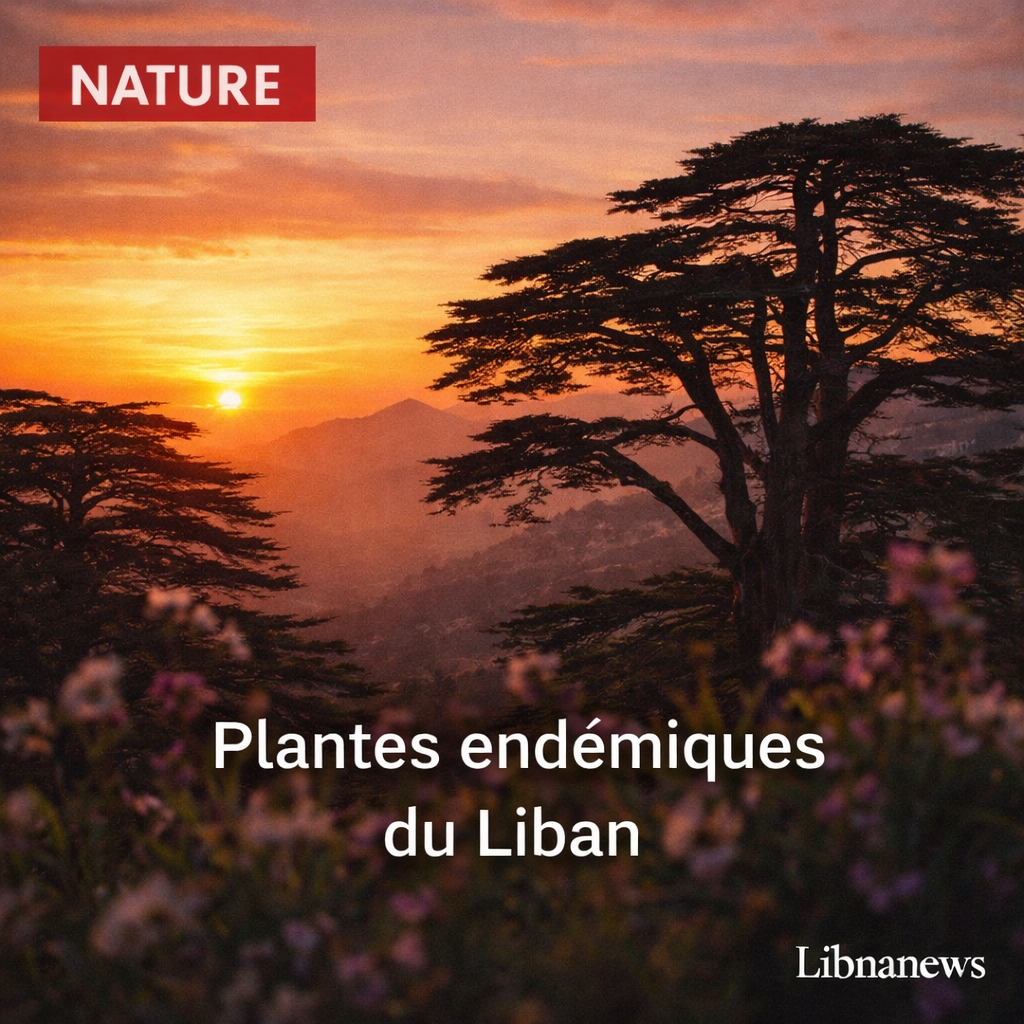
The Cedar of Lebanon: Living Symbol of Force and Eternity

The cedar of Lebanon (Cedrus libani), majestic and imposing, is much more than just a tree; It is a powerful symbol of resilience, history and spirituality, deeply rooted in Lebanese identity and internationally recognized for its noble stature and impressive longevity. This article explores the ecological, cultural and historical importance of this iconic species, while highlighting the challenges and conservation efforts it faces today.
A Natural and Cultural Heritage
The Cedar of Lebanon stands proudly in the mountains of Lebanon, where it has played a central role in the history and mythology of the region for millennia. Mentioned repeatedly in Bible texts, he symbolizes purity, beauty and wisdom. Ancient civilizations, such as the Phoenicians, the Egyptians and the Romans, highly valued cedar wood for its resistance to decomposition and its aromatic properties, using it in the construction of temples, palaces and ships.
Characteristics and Habitat

The Cedar of Lebanon can reach up to 40 metres in height and is distinguished by its imposing silhouette, with spreading horizontal branches and dense foliage of dark green colour. Its characteristic and elegant cones testify to its ability to survive and regenerate under difficult climatic conditions. Adapted to the limestone soils and snowy winters of Lebanese heights, it embodies the ability of nature to flourish against adversity.
Threats and Conservation
Despite its robustness, the Cedar of Lebanon faces several threats that endanger its survival. Historical deforestation, due to intensive logging for its precious wood, has considerably reduced its population. Today, climate change, forest fires and pest proliferation pose new challenges to its conservation. Recognizing the urgent need to protect this national treasure, the Lebanese Government, in collaboration with international organizations and NGOs, has put in place initiatives for reforestation and sustainable management of cedar forests. Natural reserves, such as the Chouf Cedar Biosphere Reserve, play a crucial role in these efforts, providing a sanctuary for scientific research and environmental education.
The Cedar of Lebanon in the Modern World
Beyond its ecological importance, the Cedar of Lebanon remains a powerful symbol of unity, peace and hope for the Lebanese people. His representation on the national flag underscores his role as an emblem of national identity and pride. In a rapidly changing world, the cedar continues to inspire artists, poets and musicians, embodying an unwavering link between the past, present and future.
Astragalus libanoticus : Botanical Joy of the Lebanese Mountains »
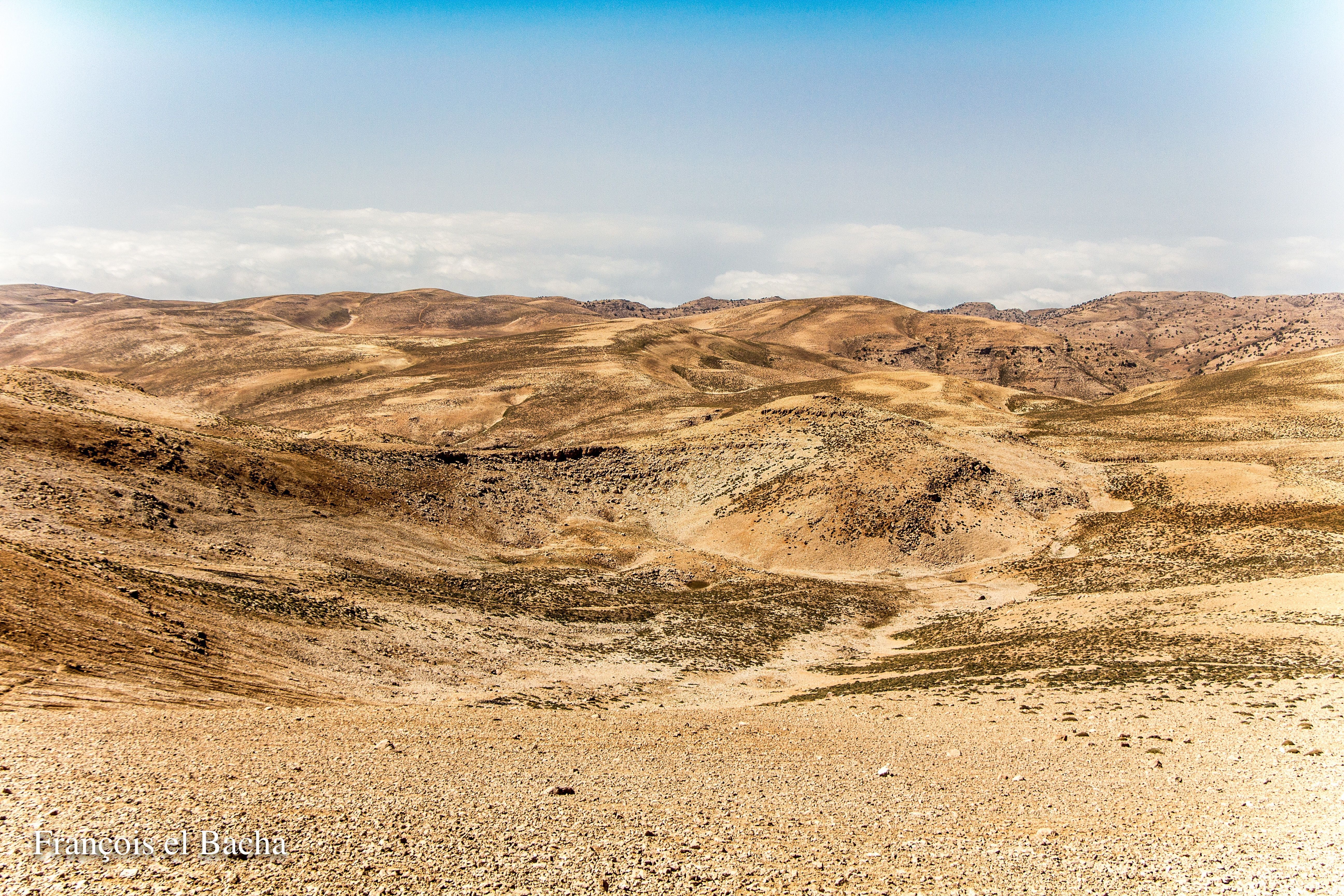
Astragalus libanoticus is a species of fascinating plant belonging to the Fabaceae family, more commonly known as legumes. This species is distinguished by its unique habitat and its specific botanical characteristics that attract the interest of botanists and nature lovers from around the world.
Habitat and Distribution
The Astragalus libanoticus is endemic to some mountainous regions, especially in the Middle East. As its name suggests, Lebanon is one of the main habitats of this plant, but its presence may also extend to other regions with similar climate and topography. This plant prefers limestone soils, often found in mountainous areas, where it enjoys direct exposure to the sun and natural drainage.
Botanical description
Astragalus libanoticus is a perennial plant that can reach varying heights, depending on its environment. It is characterized by erect stems, sometimes branched, with leaves composed of several small leaflets. The leaf colour varies from light green to dark green, and often has a slightly duvetous texture.
The flowers of the Astragalus libanoticus are particularly remarkable. They are clustered and have colours ranging from white to pale purple, with darker veins. Flowering occurs in the spring and early summer, providing an attractive visual spectacle and contributing to the biodiversity of its habitat.
Ecological Importance and Conservation
Astragalus libanoticus plays an important role in its ecosystem. As a member of the legume family, she is able to fix atmospheric nitrogen in the soil, thereby improving soil fertility and benefiting other plants in her environment. In addition, its flowers attract various pollinators, including bees and butterflies, which are crucial for pollinating other plant species.
However, like many endemic species, Astragalus libanoticus faces potential threats, including habitat loss due to agricultural and urban expansion, overgrazing, and the effects of climate change. Conservation efforts are needed to ensure its survival, which may include protecting its natural habitats and implementing reintroduction programmes in areas where it has disappeared.
Origanum libanoticum: Aromatic Treasure of Lebanese Falaises
The Origanum libanoticum, commonly known as the Lebanese Origan, is a perennial herbaceous plant that is part of the rich biodiversity of the Middle East. This member of the Lamiaceae family is particularly remarkable for its resilience, aromatic properties and culinary and medicinal applications. This article explores the unique features of the Origanum libanoticum, its natural habitat, its uses and its importance in the conservation of biodiversity.
Habitat and Distribution
The Origanum libanoticum is endemic to the mountainous regions of Lebanon, where it thrives on limestone cliffs and rocky crevices. This plant has adapted its roots to stick firmly in the small cracks of rocks, allowing it to survive in arid and sunny environments. The direct exposure to the sun and the natural drainage of the limestone floor offer the ideal conditions for its growth.
Botanical description
This plant is distinguished by its creeping or semi-erige stems which can reach up to 30 cm long. Its leaves are small, oval to lanceolate, and intense green, with slightly wavy edges. During the summer, the Origanum libanoticum is decorated with purple pink flowers, grouped into compact and pendant inflorescences, giving it a very ornamental appearance. The flowers are very attractive to bees and other pollinators, playing a crucial role in pollination of the surrounding flora.
Uses and Properties
The Origan of Lebanon is very much appreciated for its fragrance and its distinct flavors, which enrich a variety of culinary dishes. The leaves, fresh or dried, are used to flavour meats, soups and sauces. In addition to its culinary applications, this plant has remarkable medicinal properties. It is traditionally used in popular medicine for its antiseptic, digestive and anti-inflammatory virtues.
Conservation and Threats
Despite its beauty and diverse uses, the Origanum libanoticum faces challenges in terms of conservation. The reduction of its natural habitat due to urbanization and intensive agriculture, as well as overgrazing and climate change, threaten its survival. The conservation of this species requires concerted efforts to protect its natural habitats and promote sustainable harvesting practices.
Paeonia kesrouanensis(Pony of Kesrouan)
Paeonia kesrouanensis, also known as Peony Kesrouan, is a species of plant of the genus Paeonia and the family Paeoniaaceae. This peony originates in Lebanon, specifically in the Kesrouan region, where it derives its name.
Paeonia kesrouanensis is a perennial herbaceous plant that can reach up to 1 metre in height. It has large flowers with pale pink petals in fuchsia. The leaves, dark green, are usually composed of several lanceolate leaflets.
Kesrouan Peony is a fairly rare plant in its natural habitat. It is mainly threatened by habitat loss due to urbanization and agriculture.
In horticulture, this peony is appreciated for its spectacular flowering and decorative leaves. However, its cultivation remains relatively difficult and requires well drained soil and semi-shaded exposure. In France, it is mainly cultivated in botanical gardens and by some lovers of rare plants.
Paeonia kesrouanensis is sometimes confused with Paeonia mascula, another species of peony found in the Mediterranean basin. However, the Peony of Kesrouan is distinguished by the size of its flowers and the shape of its leaves.
Salvia peyronii(Peyron sage)
The Salvia peyronii, also known as the Peyron Sage in French, is a species of flowering plant in the Lamiaceae family. It is native to Italy and France. It is generally found in rocky or forested habitats.
Like most sage, Salvia peyronii has heart-shaped leaves and flowers that can vary from white to pink. It is often used as an ornamental plant for its beauty and pleasant fragrance. In addition, like other sage family members, Salvia peyronii is often used in herbal medicine for its medicinal properties.
Peyron Sage is a perennial plant that prefers well drained soils and sunny places. It is quite resistant and can survive under difficult conditions.
In short, Salvia peyronii, or Peyron Sage, is an attractive and resilient flowering plant that also has medicinal uses. It is a popular addition to many gardens and landscapes for its beauty and fragrance.
Thymus libanoticus(Lebanon Thyme)
Thymus libanoticus, also known as the Lebanese Thym, is a species of plant of the genus Thymus and the family Lamiaceae. Originally from Lebanon, this plant is known for its aromatic and medicinal properties.
In French, this plant is often called simply « Lebanon thyme ». It is used in cooking to add flavor to dishes, but also in traditional medicine for its health benefits. Lebanon’s thyme is recognized for its beneficial effects on the respiratory system.
Note that, as its name indicates, this kind of thyme is specific to Lebanon. It is distinguished from other thyme varieties by its particular fragrance and its resistance to certain climatic conditions.
Erysimum libanoticum(Velar of Lebanon)
The Erysimum libanoticum, also known as the Velar of Lebanon, is a species of plant in the Brassicaceae family. Originally from the Middle East, specifically Lebanon, this plant is mainly cultivated for its colourful flowers and attractive foliage.
The flowers of the Velar of Lebanon are usually purple to purple, although some varieties may also produce white or yellow flowers. They usually bloom in spring and can last until summer, providing a long flowering period.
In addition to their beauty, these plants are also appreciated for their resistance. They can survive under difficult conditions, including poor soils and drought conditions. However, for optimal growth, they prefer well drained soil and sun exposure.
Erysimum libanoticum can reach a height of 30 to 60 centimetres, making it a popular choice for garden borders or as a rock plant. It was also used in traditional medicine for its medicinal properties.
In short, the Velar of Lebanon is an attractive and resistant plant that can add color and interest to any garden.
Genista libanotica(Gentle of Lebanon)
Genista libanotica, also known as Genêt du Liban, is a species of flowering plant native to the mountainous regions of Lebanon and Syria. This plant belongs to the Fabaceae family, which also includes peas, beans and lupines.
The Genet of Lebanon is a shrub that can reach up to 2 meters high. It has persistent leaves, which means they remain on the plant throughout the year. The flowers, which usually appear in spring, are bright yellow in colour and have a typical shape of broom flowers.
This species prefers well drained soils and sunny places. It is often used in horticulture for its spectacular flowering and its ability to adapt to different soil and climate conditions.
However, like many other genet species, Genista libanotica has toxic seeds that can cause problems if they are ingested by animals or humans. Therefore, caution should be exercised when handling these plants.
In short, the Genista libanotica or Genêt du Liban is an attractive and robust plant, appreciated for its beautiful spring flowering, but which requires some caution due to the toxicity of its seeds.
Other endemic plants in Lebanon
Onobrychis libanotica(Sparce of Lebanon)
Sideritis libanotica(Lebanon Mountain Theatre)
Scilla libanotica(Lebanon Scille)
Allium libani(Lebanon garlic)
Crocus libanoticus(Crocus of Lebanon)
Iris cedretii(Iris of cedars)
Iris sofarensis(Iris de Sofar)
Arum hygrophilum
Phlomis libanotica(Phlomis of Lebanon)
Rhamnus libanoticus(Nerprun of Lebanon)
Silene libanotica(Silene of Lebanon)
Viola libanotica(Violette of Lebanon)
Hypericum libanoticum(Millepertuis from Lebanon)




