





The US-Iran deal under immediate pressure
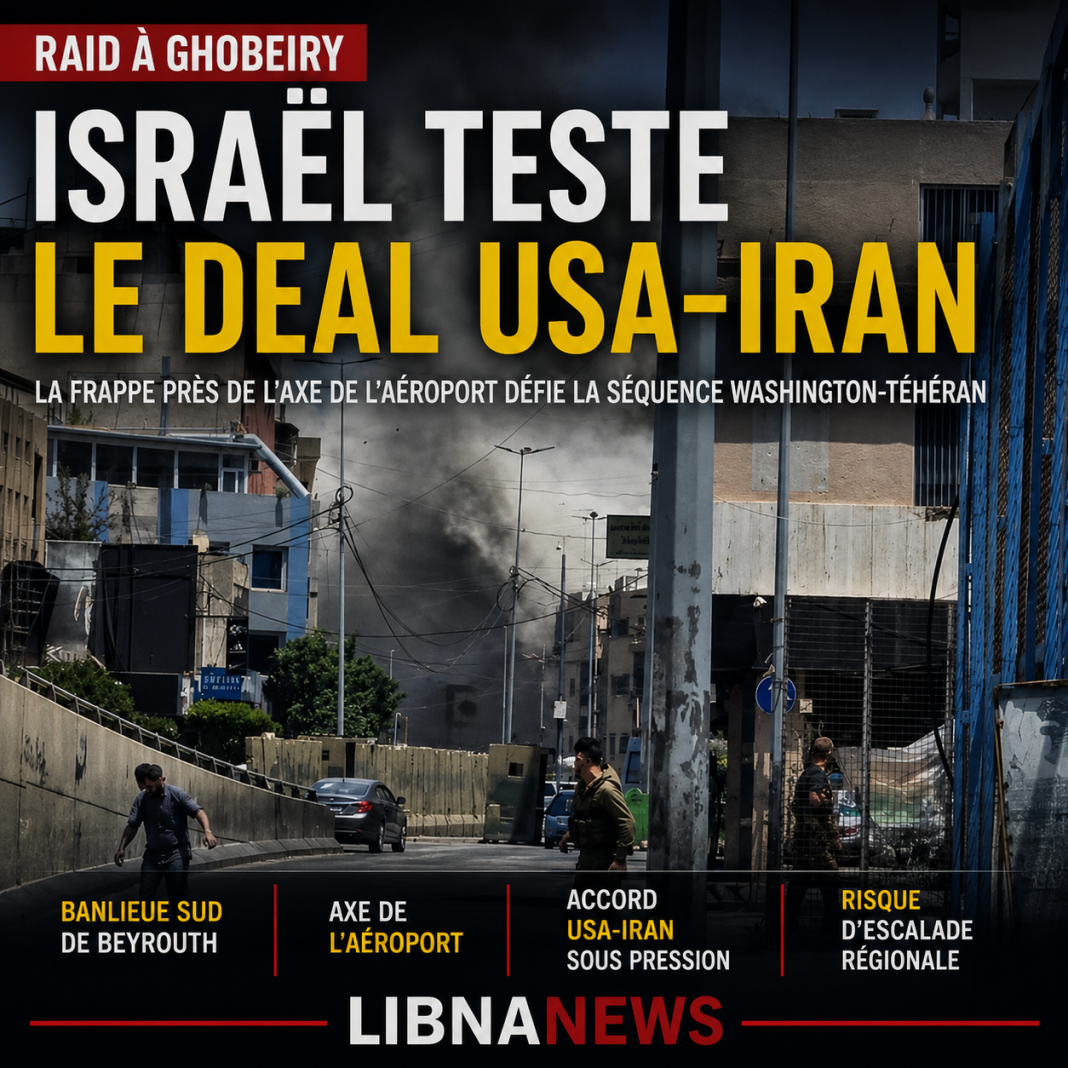
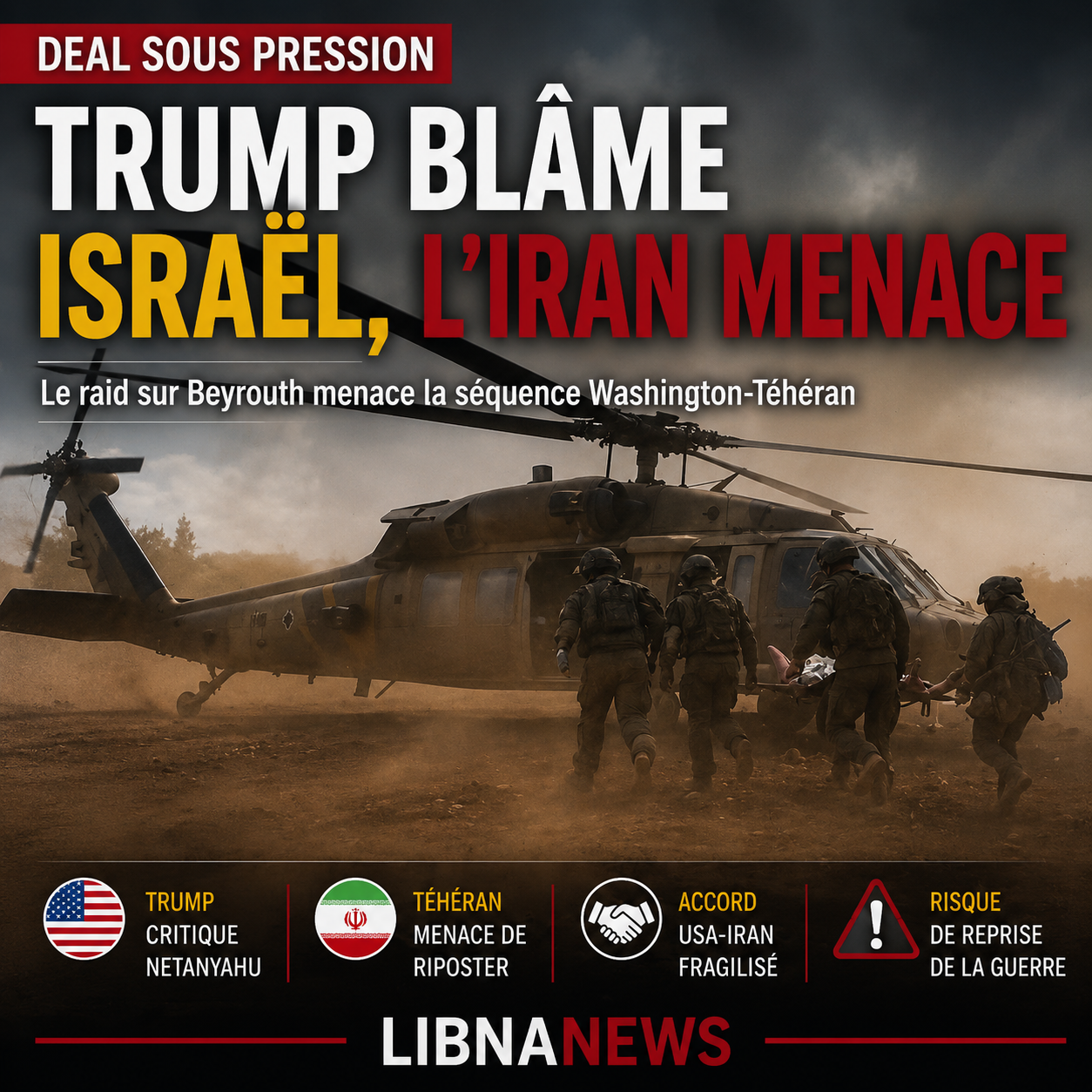
Donald Trump publicly toughened the tone against Israel after the Israeli strikes on Beirut, while Washington and Tehran were trying to finalize a de-escalation agreement. According to Axios, the US President considered that Benjamin Netanyahu had acted with a serious lack of judgment in striking the southern suburbs of the Lebanese capital at the same time as the United States was seeking the Iranian signature. This criticism marks a turning point. It no longer focuses solely on the pace of Israeli operations in Lebanon. It now concerns their ability to defeat an agreement between the United States and Iran.
The other major point is the Iranian reaction. Tehran threatened to respond to the attack on Beirut, according to Axios, which puts the Middle East on the brink of an open resumption of the war. The question no longer is whether the agreement can be signed. She asked whether an Iranian response, either direct or indirect, could revive a sequence of shootings, counter-attacks and regional attacks. Washington is trying to contain this possibility. Israel, for its part, claims to be targeting Hezbollah. But the diplomatic effect is immediate: the Lebanese strike becomes the main point of tension of the US-Iran deal.
Israeli media also claim that Iran rejected an offer of $12 billion in exchange for a commitment not to attack Israel. This information has not been formally confirmed by Washington or Tehran. It must therefore be treated as an allegation attributed to the Israeli media. It adds to other already disputed stories about Iranian funds, Qatar’s role and possible financial incentives for negotiation. Qatar denied at the end of May that it had offered Iran $12 billion to finalize an agreement, denouncing information intended to undermine diplomatic efforts.
Trump accuses Israel of threatening the deal
According to Axios, Trump considers that the deal with Iran remains possible despite the Israeli raid and threats of Iranian reprisals. But the same media reports that the US President strongly criticized Netanyahu for his choice to strike Beirut. The point is essential. Trump doesn’t blame only a military operation. He blames his calendar. The raid arrived a few hours from a diplomatic sequence that Washington presented as almost ready. It therefore exposes the agreement to a break even before its signature.
The US president is trying to preserve a text that he wants to present as a victory. The proposed agreement should open a period of de-escalation, relaunch discussions on Iranian nuclear power and reduce tensions on regional energy roads. Several reports refer to a 60-day window and commitments related to Ormuz Strait. For Trump, the objective is clear: to avoid the United States being dragged into a new phase of regional war, while claiming to have limited the Iranian threat.
The Israeli raid on Beirut jeopardizes this narrative. It gives Iran a motive for a response. He also gives Iranian officials an argument that Washington does not control his Israeli ally. If the United States negotiates a de-escalation, but Israel strikes Lebanon at the critical moment, Tehran can ask what the American guarantees are for. This is precisely what Trump is trying to avoid by publicly blaming Israel.
The American blame therefore serves several audiences. He addressed Iran first, telling him that Washington did not necessarily endorse the raid. He then addressed Israel, reminding that Netanyahu could not act without taking into account the American calendar. He finally addresses the American opinion, to which Trump wants to show that he is seeking to stop the war rather than prolong it. This communication does not regulate the substance. However, it reveals a growing tension between Trump’s agenda and Netanyahu’s.
Israel wants to keep its hand in Lebanon
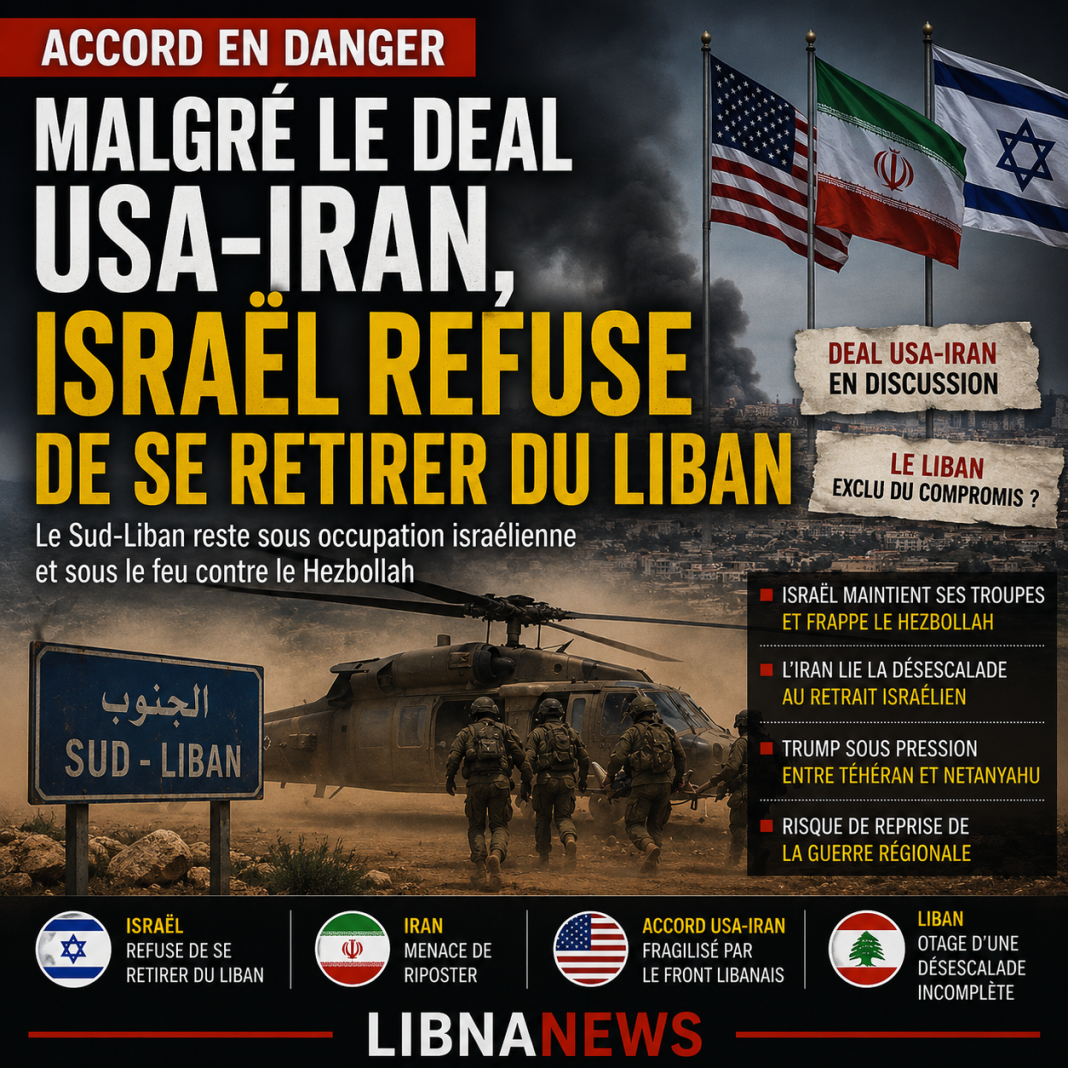
For Israel, the agreement in preparation remains problematic. Netanyahu fears that he will stabilize Iran without neutralizing its regional relays, including Hezbollah. He also feared that a text including Lebanon would limit Israeli freedom of action against the Shiite movement. For several weeks, Tel Aviv has been trying to maintain a distinction between the Iranian file and the Lebanese front. In this reading, a truce with Tehran should not prevent Israel from continuing to hit Hezbollah’s infrastructure.
Iran refuses this separation. For Tehran, Lebanon is part of the same regional power relationship. A strike on the southern suburbs of Beirut is not only an operation against Hezbollah. It touches one of the pillars of Iranian influence architecture. The precedent is known: after an Israeli strike on Beirut on 7 June, Iran had fired missiles at Israel. This sequence had already threatened US negotiating efforts.
The recent raid put this mechanics back on. If Iran responds, the agreement can be suspended, delayed or emptied. If Iran does not respond, Iranian power can be accused by its allies of tolerating strikes against Hezbollah. This is the central dilemma. Israel does not need to declare that it wants to sabotage the deal. It is enough that his strikes make any signature for Tehran politically expensive.
This strategy is all the more effective as it acts with ambiguity. Israel claims to be targeting Hezbollah infrastructure. He doesn’t say he’s targeting the US-Iran deal. But the consequence is the same: the text becomes more fragile, Iranian negotiators harden their position, and Washington must respond to a crisis created by its ally. This type of sabotage is not always seen as a frontal rejection. It can take the form of a military fait accompli.
Iranian Represals and the risk of a resumption of war
Axios reports that Trump claimed that the deal would remain beneficial for Israel. According to the US presentation, it would prevent Iran from obtaining a nuclear weapon, organize the decommissioning of nuclear material and provide for rapid inspections. This argument is directed directly at Netanyahu. Trump wants to convince Israel that the deal serves its security. But Netanyahu and some of his entourage believe that the text leaves too much room for Iran and does not resolve the issue of Hezbollah.
The divergence therefore becomes strategic. Trump wants to stop the war to stabilize the region and present a diplomatic victory. Netanyahu wants to prevent an agreement with Tehran from protecting Hezbollah or limiting Israeli pressure in Lebanon. These objectives are no longer fully compatible. The Beirut raid shows him brutally. An American ally can now create, within minutes, a crisis capable of threatening the priority agreement of the President of the United States.
Possible Iranian reprisals are the most immediate factor. They can take many forms. Iran can shoot directly towards Israel, as it has already done after the 7 June strike. He can let Hezbollah respond from Lebanon. It can activate other Allied fronts, including Yemen or Iraq. It may also delay the signing of the agreement and request additional guarantees on Lebanon. Each of these options has a cost.
A direct Iranian response would reopen the risk of an open war between Israel and Iran. A response from Hezbollah would give Israel an argument to continue its strikes in Lebanon. Activation of huthis or other groups would pose a risk on maritime routes. A mere diplomatic delay would weaken Trump and show that Netanyahu can disrupt negotiations. In all scenarios, the effect of the raid far exceeds Beirut.
Therefore, the possibility of a resumption of war cannot be ruled out. The regional war had been contained by a succession of partial truces, warnings and mediations. But these mechanisms are based on the retention of several actors at the same time. If Israel continues to strike in Lebanon, if Iran responds, if Hezbollah resumes wider operations, and if Washington fails to impose a limit, the sequence can shift. A resumption of war would not necessarily come from a single decision. It may arise from a chain of reprisals.
Lebanon as a weak point of compromise
Lebanon is at the centre of this risk. The Western media have sometimes presented the Lebanese front as a separate issue from the US-Iran deal. Events show the opposite. Tehran links de-escalation to the fate of Hezbollah. Israel seeks to maintain its freedom of action in Lebanon. Washington wants to sign an agreement that implies a reduction in tensions. Beirut calls for its territory not to be used as a theatre of inter-Power messages. The raid on Beirut led to the idea of a simple compartment.
The $12 billion controversy adds an extra layer. If Iran really rejected an offer related to Israel’s non-attack, it means that Tehran refuses to be perceived as showing restraint. If the information is exaggerated or instrumentalized, it can serve another story: to present Iran as intransigent and therefore responsible for a possible failure. In both cases, the number becomes a communication tool in an already saturated diplomatic battle.
The denial of the previous versions on a $12 billion offer calls for caution. Doha spoke of baseless allegations aimed at undermining de-escalation efforts. This precedent shows that the financial amounts also circulate as weapons of narrative. They can serve to discredit Iran, defend the role of mediators or suggest that the agreement is based on opaque arrangements. Journalistic prudence therefore requires a distinction between confirmed facts and claims attributed to the Israeli media.
The fact confirmed by Axios is that Trump blamed Israel and Iran threatens to respond. It’s the heart of the sequence. The fact reported by the Israeli media is that Iran allegedly rejected a financial offer not to attack Israel. The fact established by the Qatari denials is that Doha has rejected previous accounts of a $12 billion offer. These three levels must not be mixed.
Washington must turn blame into pressure
For Washington, the challenge now is to turn blame into pressure. A verbal criticism of Netanyahu may temporarily calm Tehran, but it is not enough if Israel continues its operations in Lebanon. If Trump wants to save his agreement, he must clarify whether Lebanon is included in the de-escalation, and what this imposes on Israel. An agreement that does not prohibit strikes against Beirut will not be credible for Iran. An agreement banning them will create a political confrontation with Netanyahu.
For Israel, the risk is to push implicit sabotage too far. If Netanyahu appears to be the one that makes a Trump-wanted deal fail, tensions with Washington can get worse. American support remains vital for Israel. A public crisis with the White House can be costly diplomatic, military and political. But Netanyahu may also consider that a weak deal with Iran would cost Israeli security more than Trump’s anger.
For Iran, the decision will be heavy. Riposter preserves deterrence. Holding back helps to preserve the agreement. The intermediate route could be to threaten, delay, negotiate additional guarantees and allow allies to maintain limited pressure. But every hour of floating increases the risk of error. Another strike, a drone, a missile, an interception or a miscalculation may be enough to revive a war Washington says it wants to stop.
The future will also depend on how regional partners read the US response. The Gulf countries, Qatar and the mediators who worked on the indirect channels with Tehran observe whether Washington can still guarantee a minimum of discipline in its camp. If Israel strikes Lebanon without consequence, the mediators will have to explain to Iran why an agreement with the United States would be of practical value. If Washington imposes restraint on Israel, it will demonstrate that the text is based not only on Iranian promises, but on a real constraint on all actors.
The resumption of war could therefore be a question of credibility. Iran will not sign a lasting agreement that would force it to hold back while its main Lebanese ally remains under bombs. Israel does not want an agreement that removes its right to strike Hezbollah. Trump cannot afford a failure after announcing that the signature was still possible. This triple contradiction explains why the strike on Beirut produced a wave of diplomatic shock above its declared military objective.
In the next few hours, three signals will be decisive. The first will be the nature of the Iranian response, if it occurs. The second will be Washington’s public reaction to any new Israeli strike in Lebanon. The third will be Netanyahu’s position, which will have to say, by his actions more than by his communiqués, whether he accepts that Lebanon is part of the deal. As long as these points remain open, the risk of a renewed war will remain high.