

Tag: Lebanon
Press review of October 11: Lebanon in favor of the 1701 if Israel also...
1. Local news: Israeli bombing of Beirut and mounting casualties
According to the daily An-Nahar, the Lebanese capital suffered two Israeli airstrikes that targeted densely...
Update at 6 p.m.: Israel bombed hospitals in the Bekaa and UNIFIL
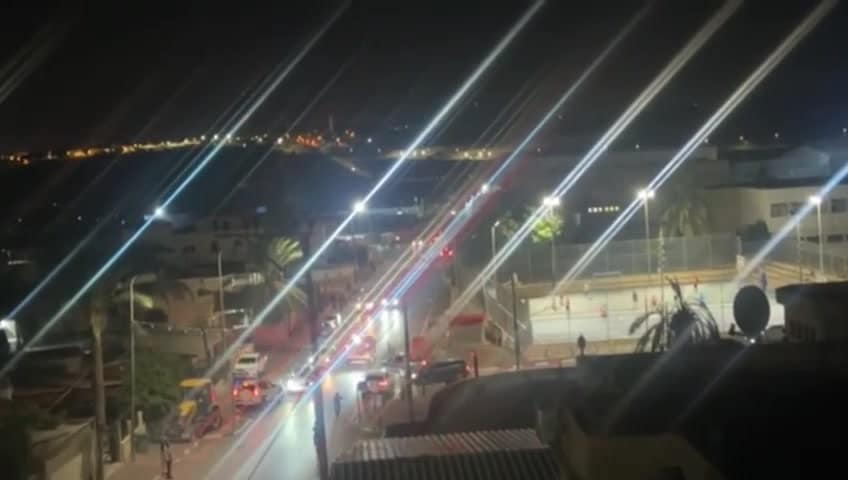
Al-Manar reported that the strikes hit vital infrastructure, including power lines and roads, making it difficult for relief workers to reach. At 2:29 p.m., Israeli forces struck UNIFIL positions in Ras al-Naqoura, causing injuries to peacekeepers. These strikes were followed by an intensification of raids in Baalbek and the Bekaa Valley, where targets included hospitals and water facilities. At 5:55 p.m., the shelling hit Ain Baal, causing the death of several civilians, according to LBCI and Al Jadeed.
Update at 12 p.m.: Lebanese army position hit by Israeli raid
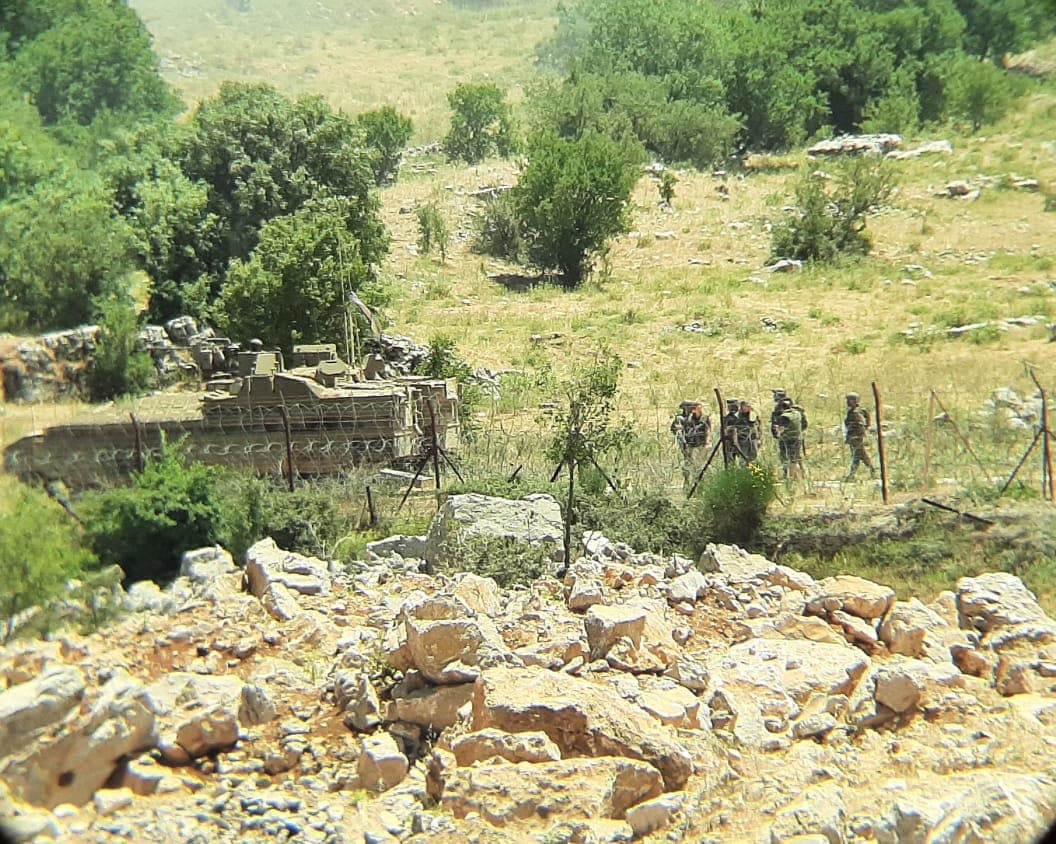
Since midnight, the situation on Lebanon's southern front has deteriorated sharply. Fighting between Hizbullah and Israeli forces broke out in several strategic border areas, particularly in Maroun el-Ras, Ras Naqoura and Aita al-Shaab. According to Almanar, Hezbollah responded to the Israeli strikes with rocket fire aimed at military positions in northern Israel. In response, Israel has intensified its strikes, destroying several suspected Hezbollah positions, but also civilian infrastructure.
Update on the situation at 9 a.m.: Israeli forces are trying to infiltrate Lebanon...
Since October 7, 2023, Lebanon has been plunged into a spiral of intense violence, marked by incessant Israeli bombardments on the south of the country, border fighting, and air strikes that even target the capital Beirut. In addition to these military aggressions, there is a persistent political crisis, a disastrous humanitarian situation and diplomatic attempts that are struggling to produce tangible results.
Editorial: when sedition becomes a strategy
In the face of this information war, the Lebanese media have a key role to play. By spreading unfounded rumors, they risk falling into the trap set by Israel: deepening divisions and inciting revolt against the refugees, who include the Shiite community and not only those close to Hezbollah but also Sunnis, Druze and Christians. In the end, it is all the Lebanese, regardless of their communities, who are targeted, especially since Netanyahu threatens Lebanon to become a new Gaza, and therefore all Lebanese. The Lebanese who are not refugees today will be able to be refugees tomorrow and this imposes on us a duty of solidarity and responsibility.
Lebanon’s main import and export routes
The recent bombing of the Masnaa crossing has raised concerns about the security of trade routes for Lebanese exports and imports, not to mention of course the safety of travelers. This passage is particularly important for the transport of goods between Lebanon and neighbouring Arab countries.
Update at 6:30 p.m.: Fighting in southern Lebanon continues
Lebanon's Health Ministry has released a new toll of Israel's aggression on Lebanon, lamenting the death of 36 people in Tuesday's strikes. This brings the total death toll since the beginning of hostilities to 2,119, with more than 10,019 injured. The areas most affected by Israeli strikes are the governorates of Nabatieh, South, Bekaa and Baalbek-Hermel. The Israeli strikes have not only killed civilians, but they have also destroyed critical infrastructure, resulting in the displacement of more than a million people across the country.
Update on the situation at 12 p.m.: clashes continue, an adviser to the Israeli...
The situation in southern Lebanon continues to deteriorate amid intense clashes between Israeli forces and Hizbullah. In the past few hours, several major events have taken place in this region already battered by fighting, while violence continues in other areas affected by Israeli strikes.
Editorial: Netanyahu’s threat to destroy Lebanon admits military failure
This alarming rhetoric, designed to deter the Lebanese and weaken the resistance, also reveals a stalemate in the face of Hezbollah's resilience in southern Lebanon, a territory much larger than Gaza, which covers 10,452 square kilometers. Comparatively, Gaza, with its 365 km², seems tiny. Yet, after more than a year of strikes, blockades, and incessant conflicts, Hamas continues to stand up to Israel, even launching salvos of rockets at Tel Aviv, like the one yesterday, October 7, a year after the beginning of the events.
Disinformation, terror and sedition: war is also psychological in the Israeli-Lebanese conflict
Since the beginning of the military escalation in October 2023, the war between Israel and Lebanon has not been played out solely on the...
6 p.m. update: Hezbollah fires on Haifa and Israel releases photos purportedly in Maroun...
The Israeli army recently released photos that purported to prove its control over Maroun el Ras, a strategic village on the border between Lebanon and Israel. The photos show an Israeli flag being raised in a garden in Maroun el Ras, a symbolic act meant to represent Israeli control of the community. However, fact-checking revealed that the footage was taken about 300 meters from the Blue Line, the internationally recognized border between Lebanon and Israel. The garden in question is a public park located in the southern part of the village, which does not prove that Israeli forces control the entire community.
Update at 12 p.m.: Hezbollah says it is holding the front
https://www.dropbox.com/s/hiobt64ga4wec90/Capture%20d%E2%80%99%C3%A9cran%202024-10-08%20%C3%A0%2011.58.49.png?dl=0
Update on the situation at 9 a.m.: the humanitarian situation in Lebanon is deteriorating
Israel, meanwhile, seems determined to continue its military operations until it achieves its goals. Israeli Prime Minister Benjamin Netanyahu said yesterday that as long as Israel's existence is threatened, the fighting will continue. He stressed the need to continue the war against Hezbollah and prevent any strategic threat from Gaza or Lebanon.
Beirut International Airport, vulnerable to Israeli attacks and at the heart of Lebanese concerns
As Lebanon goes through one of the most serious crises in its recent history, Beirut's Rafik Hariri International Airport remains a crucial infrastructure, not only for the delivery of humanitarian aid, but also for maintaining a minimum of connections with the outside world.
However, as military tensions escalate with Israel, the airport is becoming increasingly vulnerable and at the heart of the Lebanese government's security concerns.